
 English
 Español
Content
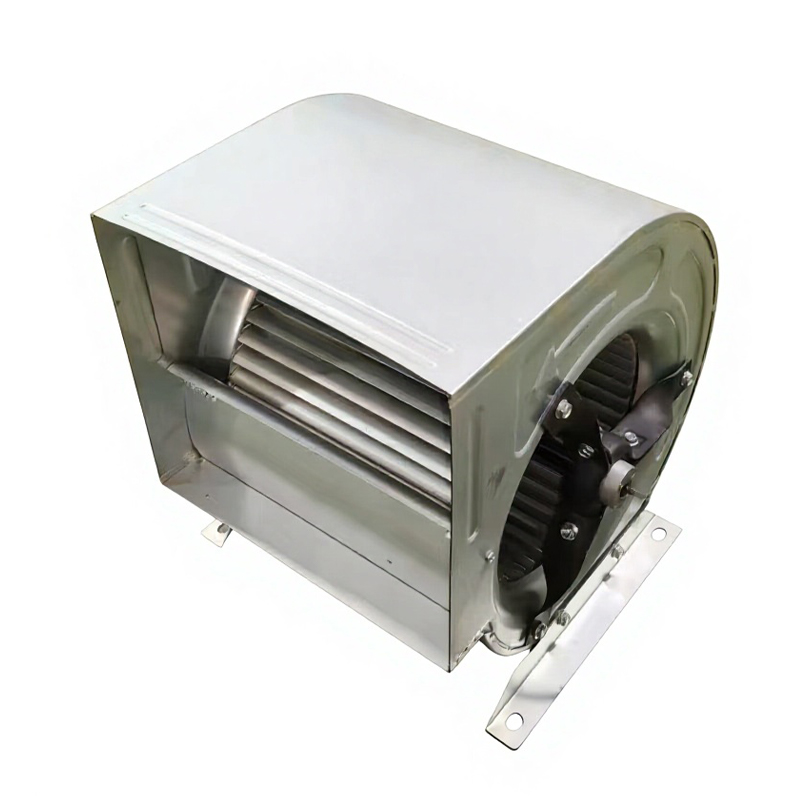
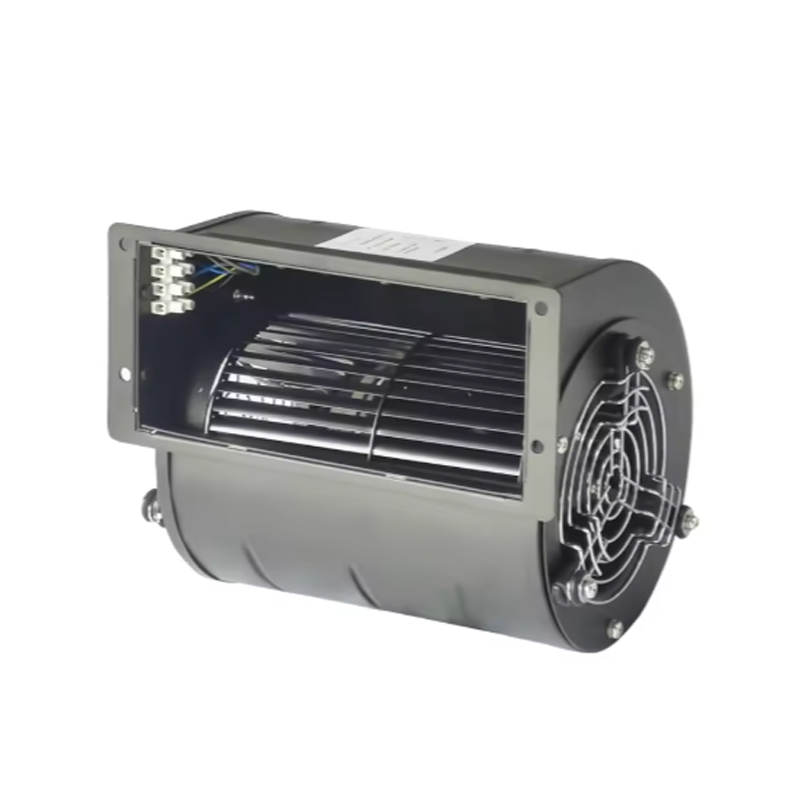
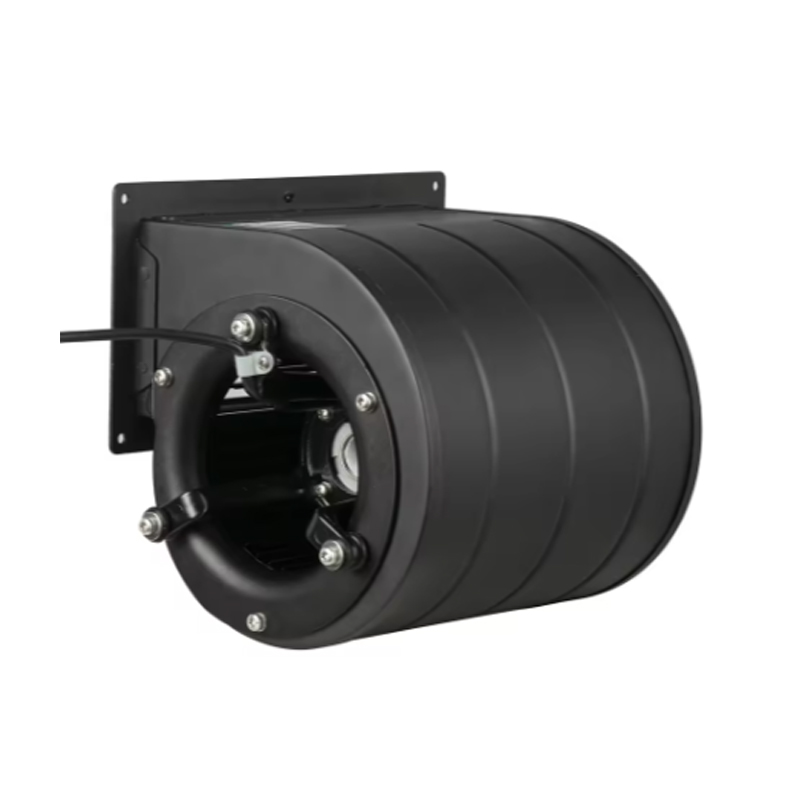
A centrifugal fan is a common ventilation device that utilizes centrifugal force to transport and pressurize gas. It is widely used in industrial production, building ventilation, and environmental protection systems. Centrifugal fans use a high-speed rotating impeller to draw air in axially and then expel it radially, achieving a stable and efficient airflow.
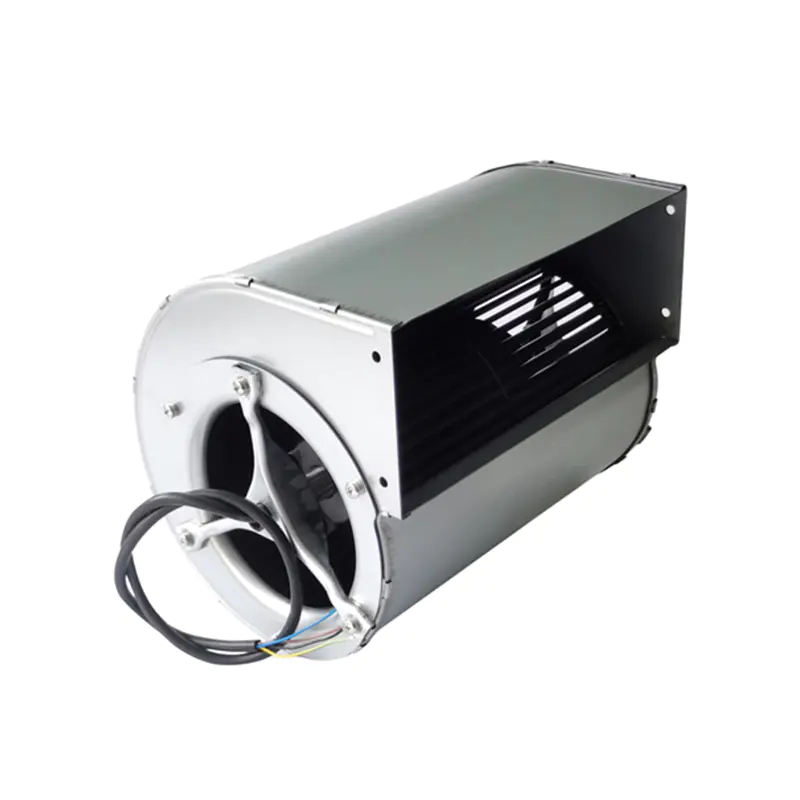
Working Principle of a Centrifugal Fan
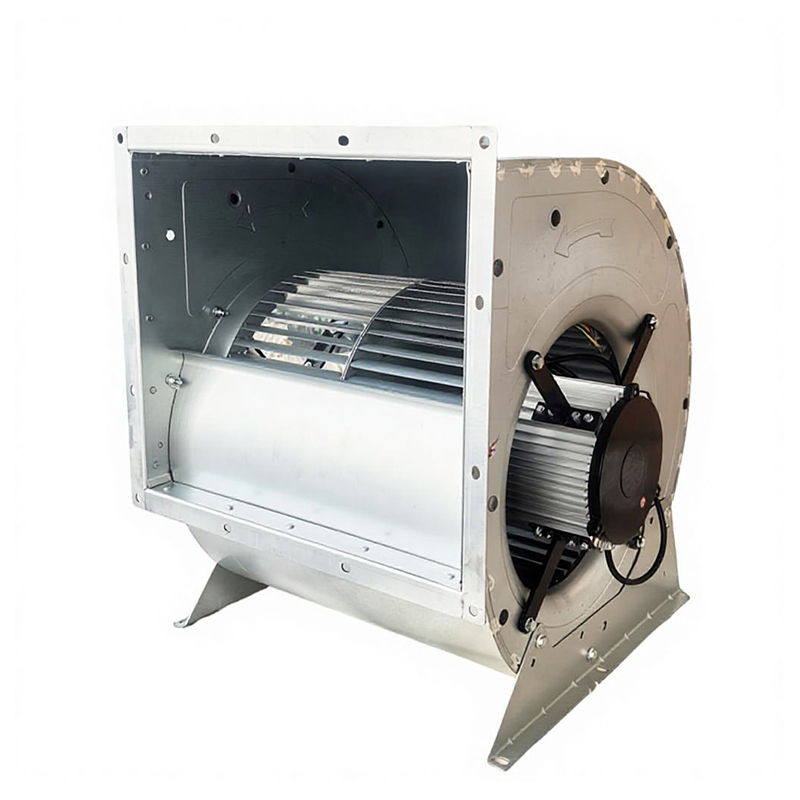
The core components of a centrifugal fan are the impeller, motor, and volute. When the motor drives the impeller to rotate at high speed, air enters the center of the impeller from the inlet. Under centrifugal force, it is accelerated and thrown towards the edge of the impeller, then enters the volute and is guided to the outlet. Compared to axial fans, centrifugal fans perform better under high air pressure conditions and are suitable for long-distance air transport or overcoming system resistance.
Main Features of Centrifugal Fans
From a performance perspective, centrifugal fans have advantages such as high air pressure, stable operation, and strong adaptability. Depending on the blade shape, centrifugal fans can be divided into forward-curved, backward-curved, and radial types, each with its own emphasis on energy efficiency, noise, and service life. Therefore, when selecting a centrifugal fan, it is necessary to comprehensively consider airflow requirements, system resistance, and the operating environment.
Application Areas of Centrifugal Fans
Centrifugal fans are widely used in industrial ventilation, central air conditioning systems, boiler ventilation, dust removal systems, and in industries such as chemical, metallurgical, and power. In the construction sector, centrifugal fans are commonly used for ventilation in underground garages, shopping malls, and office buildings; in the environmental protection sector, they are often an important component of dust removal fans and induced draft fans.
How to Choose the Right Centrifugal Fan
When selecting a centrifugal fan, key parameters to consider include airflow, air pressure, power, efficiency, and noise. Simultaneously, the installation space, operating temperature, and whether the medium contains dust or corrosive gases must also be considered. Proper selection not only improves the operating efficiency of the centrifugal fan but also effectively reduces energy consumption and maintenance costs.
With the increasing demands for industrial automation and energy conservation and environmental protection, the importance of centrifugal fans in various industries is becoming increasingly prominent. Understanding what a centrifugal fan is, mastering its working principles and application scenarios helps enterprises and users maximize its value in practical use, achieving efficient, safe, and stable ventilation solutions.


 ENG
ENG
