What are the main features of the 146 series mini size centrifugal fans?
Main features of the 146 series mini size centrifugal fans:
1. Compact size and wide applicability
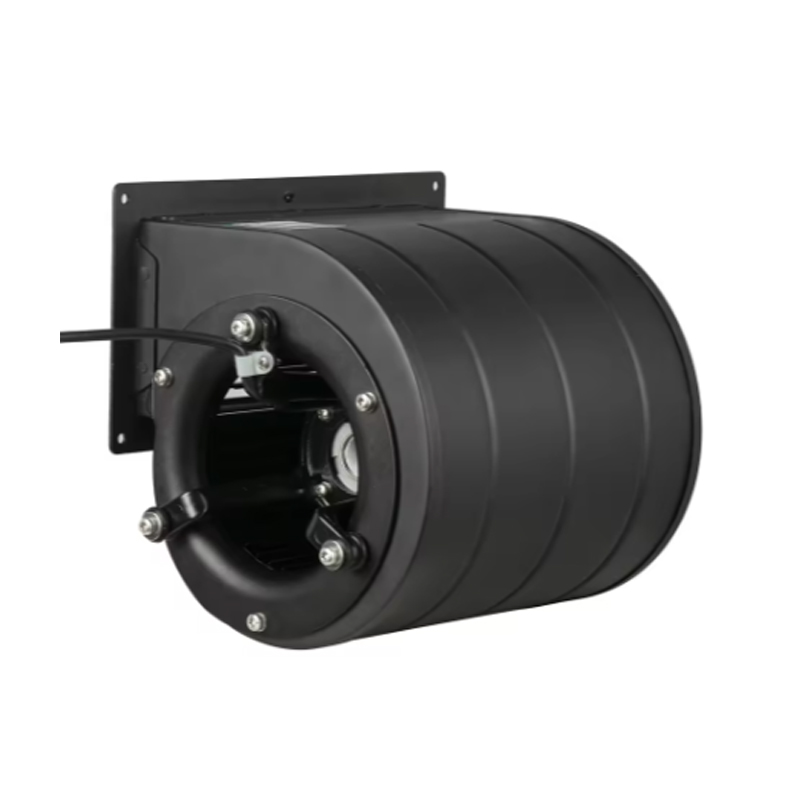
Sizes from 146mm to 190mm, compact in size, suitable for space-constrained equipment.
Offers flexible installation options in the small centrifugal fan market, meeting niche needs such as laboratory ventilation and micro air purification.
2. Forward-curved centrifugal impeller design
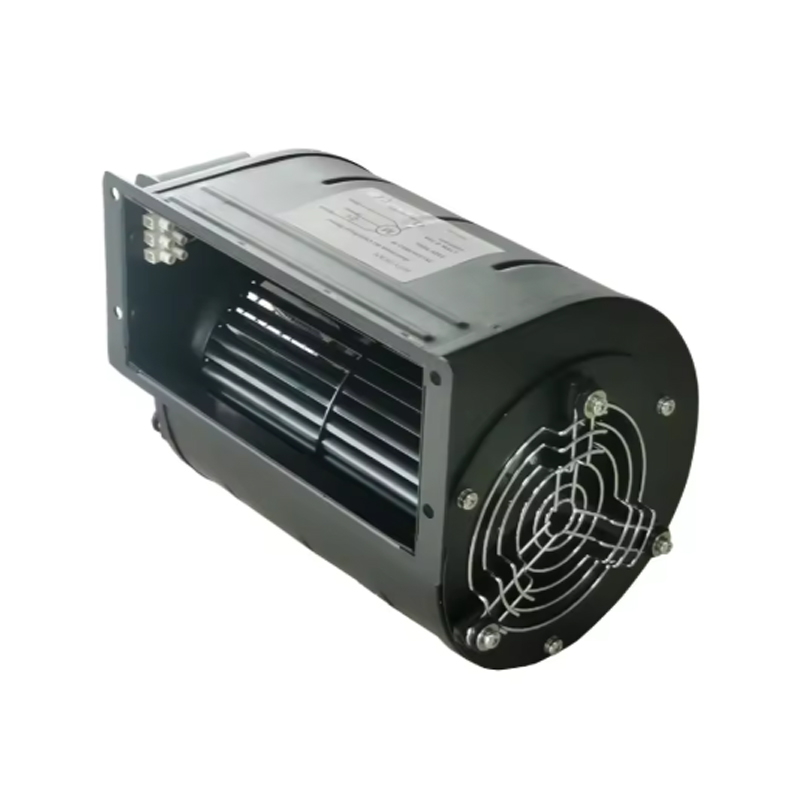
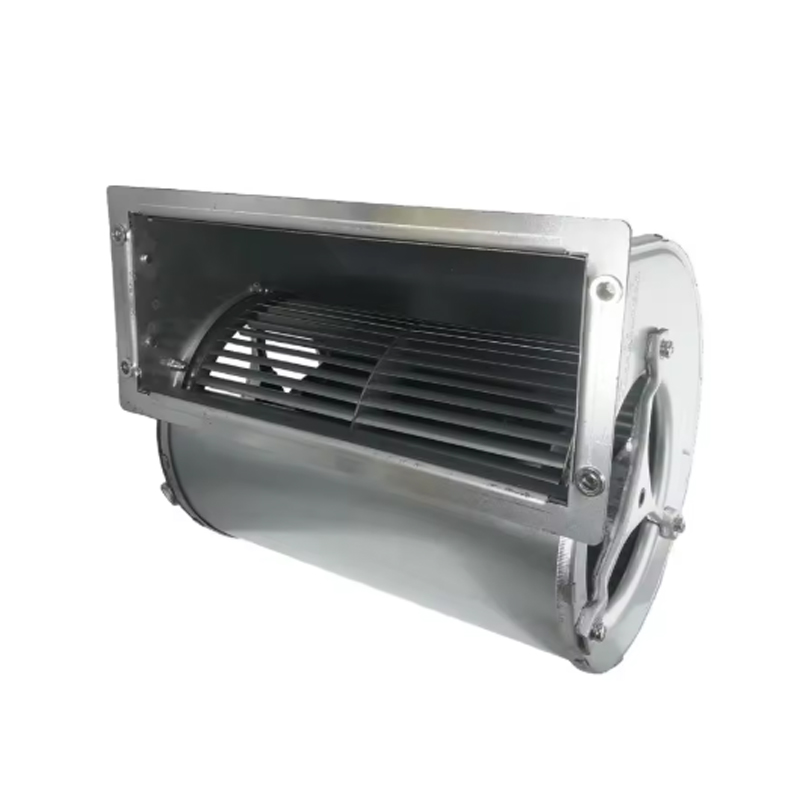
Utilizing a forward-curved impeller, it generates a strong directional airflow, enabling precise control of airflow direction.
This design allows the fan to deliver higher air pressure at the same speed, improving overall system efficiency.
3. High-efficiency, low-noise operation
Driven by a single-phase direct-drive AC or EC motor, mechanical transmission losses are reduced.
Optimized airflow path between the impeller and housing reduces turbulence noise, meeting the requirements of noise-sensitive environments.
4. Convenient speed adjustment and control
Supports wide-range stepless speed regulation, allowing users to flexibly adjust airflow and air pressure according to actual needs.
When used in conjunction with variable air volume (VAV) systems and ducted air conditioning systems, it enables precise air distribution.
What are the lifespan, maintenance schedule, and replacement recommendations for vulnerable parts for the 146 series mini size centrifugal fans?
Lifespan, Maintenance Schedule, and Replacement Recommendations for Vulnerable Parts for the 146 Series Mini Size Centrifugal Fans
1. Lifespan
Under standard operating conditions (temperature 0°C–40°C, relative humidity ≤85%), the centrifugal fan has a design life of 20-25 years.
High-quality bearings and corrosion-resistant metal materials extend the durability of mechanical components.
2. Maintenance Schedule
Routine Inspection: Monthly inspection of the fan casing for dust accumulation and for abnormal bearing noise.
Regular Maintenance: Clean every 6-12 months, focusing on removing deposits from the impeller and air inlet to prevent increased airflow resistance.
Professional Inspection: Lubricate or replace bearings every 2-3 years to ensure smooth rotation.
3. Replacement Recommendations for Vulnerable Parts
Bearings: It is recommended to use bearings of the same specifications provided by the original manufacturer. Replace them if abnormal noise or speed fluctuations occur.
Seals: After long-term operation, the seals may age. It is recommended to check and replace them every 3-5 years to prevent oil leaks or dust ingress.
Motor: A single-phase direct-drive AC/EC motor is used. If power loss or abnormal temperature rise occurs, it is recommended to contact the manufacturer for motor inspection or replacement.
| Frequency |
Main Maintenance Tasks |
Purpose |
| Daily |
Check that the impeller rotates smoothly; clean any debris from the inlet and outlet; verify that fasteners are tight |
Prevent blockage by foreign objects and detect abnormalities early |
| Weekly |
Clean the fan housing; monitor motor temperature; inspect bearing lubrication level |
Maintain proper cooling and lubrication, reducing wear |
| Quarterly |
Perform deep cleaning of the impeller; inspect sealing rings; measure airflow and pressure drop; calibrate sensors |
Preserve aerodynamic performance and prevent seal aging |
| Annually |
Overhaul or replace wear‑parts (bearings, seals, filters); conduct motor insulation testing; perform a comprehensive performance evaluation |
Extend service life and ensure reliable operation |
How do 146 series mini size centrifugal fans achieve low-noise operation?
1. Optimized Airflow Path
The forward-inclined impeller and the internal flow channel design of the casing allow for smooth airflow, significantly reducing turbulence noise.
Low-noise air inlet and exhaust port structures further reduce aerodynamic noise during fan operation.
2. High-Efficiency Motor Drive
The single-phase direct-drive AC/EC motor eliminates mechanical transmission links such as belts or couplings, reducing mechanical noise.
EC (brushless DC) motors have lower noise at low speeds and better speed regulation smoothness.
3. Vibration Reduction and Sound Insulation Design
The fan base uses rubber vibration damping pads to reduce the transmission of vibration to the fan body and mounting structure.
Sound-absorbing materials are used inside the casing to further suppress noise radiation.
Frequently Asked Questions (FAQ)
Q1: What systems or scenarios are these fans suitable for?
A: The 146 series is an ideal complement to variable air volume (VAV) air conditioning units, ducted air conditioners, HVACR systems, fresh air systems, and air purification equipment.
Q2: What are the optional motor drive options?
A: Single-phase direct-drive AC motors or EC motors are available. The latter supports variable frequency speed control for more precise airflow control.
Q3: How is low-noise operation achieved?
A: By optimizing the forward-curved impeller geometry, using a sound-insulating housing, and employing vibration-damping design, operating noise is significantly reduced.
Q4: What are the typical dimensions and airflow range of the 146 series?
A: This series belongs to the "small" centrifugal fan category, with a fan diameter of approximately 146mm. Specific airflow (m³/h) and static pressure depend on the model and rotational speed. It is recommended to refer to the product catalog for accurate parameters.

 English
 Español

 ENG
ENG
