
 English
 Español
Content
- 1 Build a Fixed Cleaning and Inspection Routine
- 2 Monitor Bearing Lubrication and Vibration
- 3 Protect the Electrical and Motor System
- 4 AC Centrifugal Fan Series Built for Durability
- 5 Use Variable Frequency Drive Control to Reduce Wear
- 6 Manage the Operating Environment
- 7 Follow a Practical Maintenance Schedule
To keep an AC centrifugal fan running for its full service life, cut power before any service, remove dust from the impeller and volute on a fixed schedule, check bearing lubrication and vibration levels every one to three months, keep insulation resistance above 1 megaohm, and use variable frequency drive control to reduce starting current and mechanical shock. Fans that receive this level of care commonly run well beyond 50,000 hours, while neglected units often fail within two to three years.
Build a Fixed Cleaning and Inspection Routine
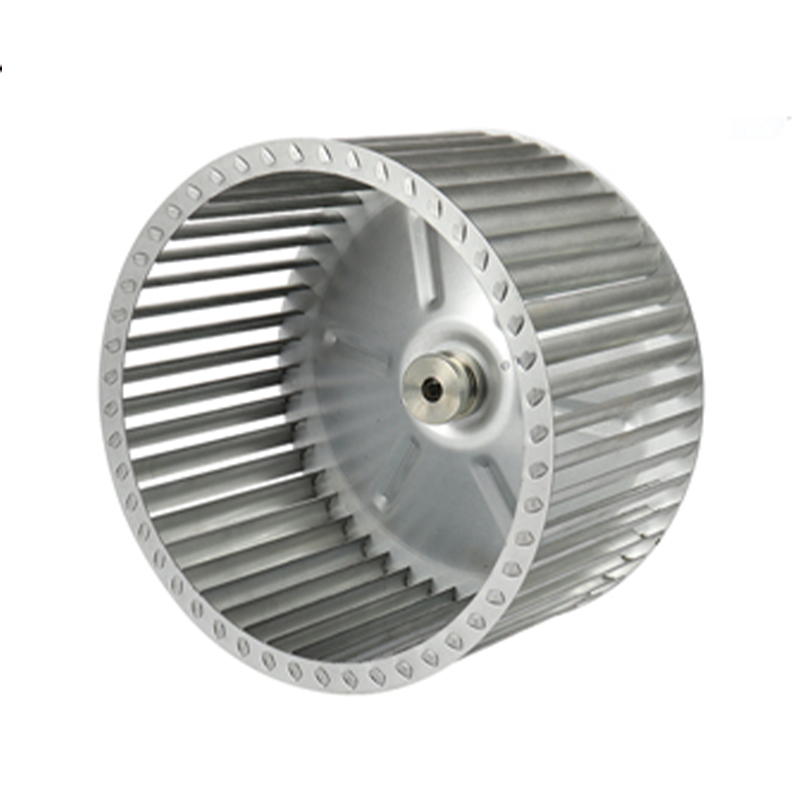
Dust buildup on the impeller blades is the single biggest cause of reduced airflow and premature bearing wear in AC centrifugal fans. A layer of dust as thin as one millimeter can unbalance an impeller enough to raise vibration levels by a noticeable margin, which then accelerates bearing fatigue.
- Disconnect the power supply and lock out the circuit before opening any access panel.
- Remove the inlet guard and wipe the impeller blades and volute casing with a soft brush or low pressure air, never water.
- Inspect the housing for corrosion, cracked welds, or loose fasteners at the same time.
- Record findings on a simple maintenance log so wear trends are visible over time.
| Light industrial or clean indoor use | Full cleaning every 3 months |
| Dusty, humid, or continuous-duty environments | Full cleaning every 4 to 6 weeks |
| Kitchen exhaust or oily particulate environments | Cleaning every 2 to 3 weeks |
Monitor Bearing Lubrication and Vibration
Bearings are usually the first mechanical component to fail in a centrifugal fan. Direct-coupled AC and EC motor designs remove belt wear from the equation, but the bearing and shaft assembly still needs attention.
A quick field check involves placing a hand near the bearing housing after the fan has run for at least thirty minutes. A casing temperature that exceeds the rated value by more than 10 degrees Celsius signals insufficient lubrication or an overload condition. Where possible, use a vibration meter rather than touch alone, since audible or visible vibration usually means damage has already started.
- Re-grease sealed bearings according to the manufacturer interval, typically every 2,000 to 5,000 operating hours.
- Replace bearings showing consistent noise, heat, or play rather than waiting for complete failure.
- Keep the shaft aligned; misalignment as small as 0.5 millimeters can shorten bearing life significantly.
Protect the Electrical and Motor System
Electrical faults account for a large share of unplanned centrifugal fan downtime. Motor overload, insulation aging in humid environments, and control system faults in the inverter or contactor are the most frequent issues.
| Operating current | Verify with a multimeter or power analyzer against the rated nameplate value |
| Insulation resistance | Should measure 1 megaohm or higher; lower readings indicate moisture ingress |
| Casing temperature | Should not exceed the rated value by more than 10 degrees Celsius |
| Phase sequence and wiring | Confirm correct direction to prevent impeller reversal and mechanical shock |
Choosing a fan with an integrated overload protection and temperature monitoring feature, such as the direct-coupled AC or EC motor designs used across our centrifugal fan range, makes early fault detection far easier for maintenance teams.
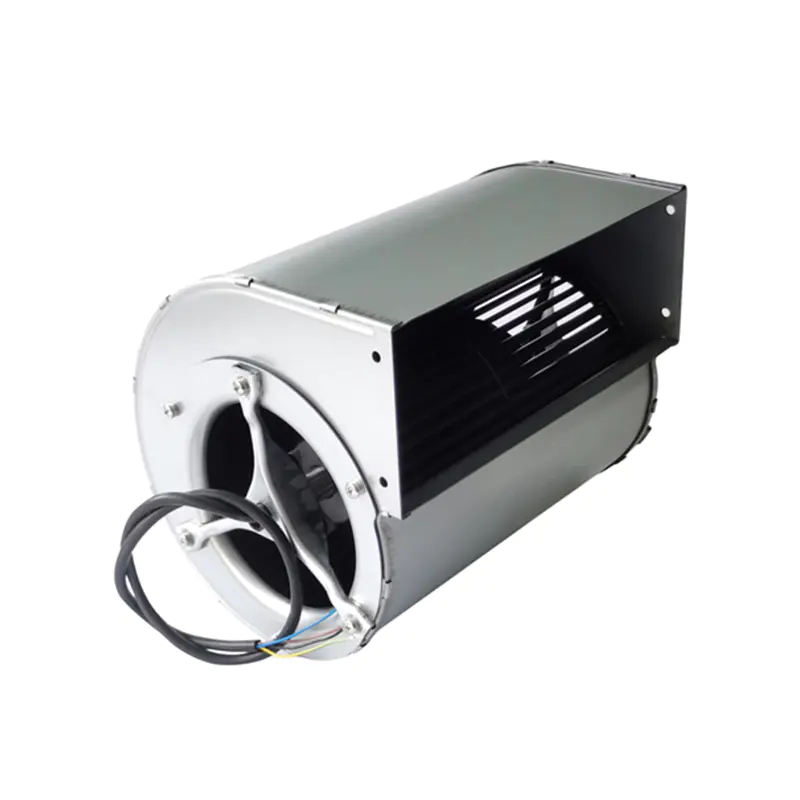
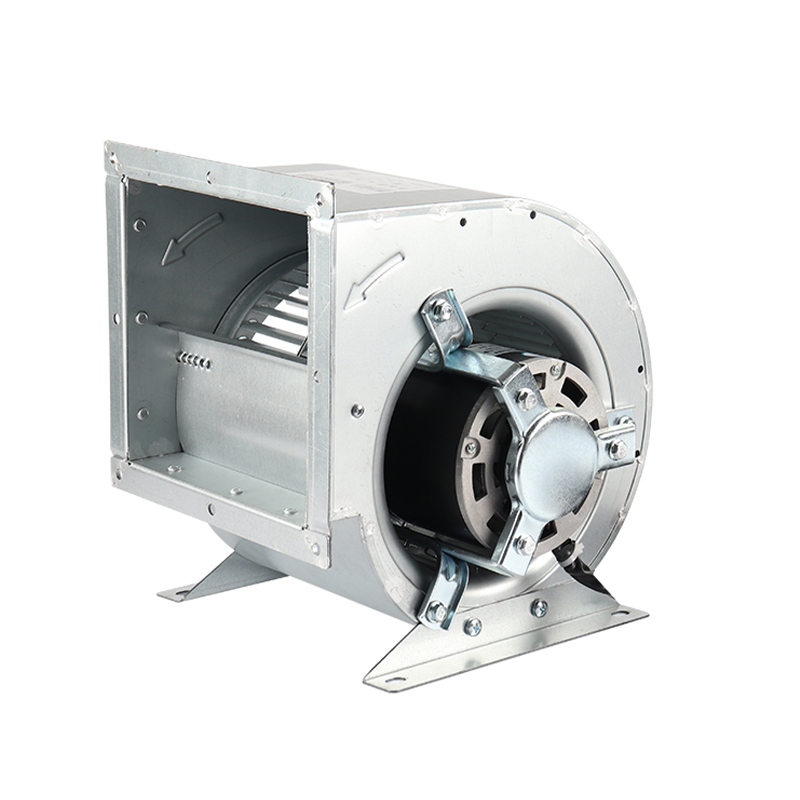
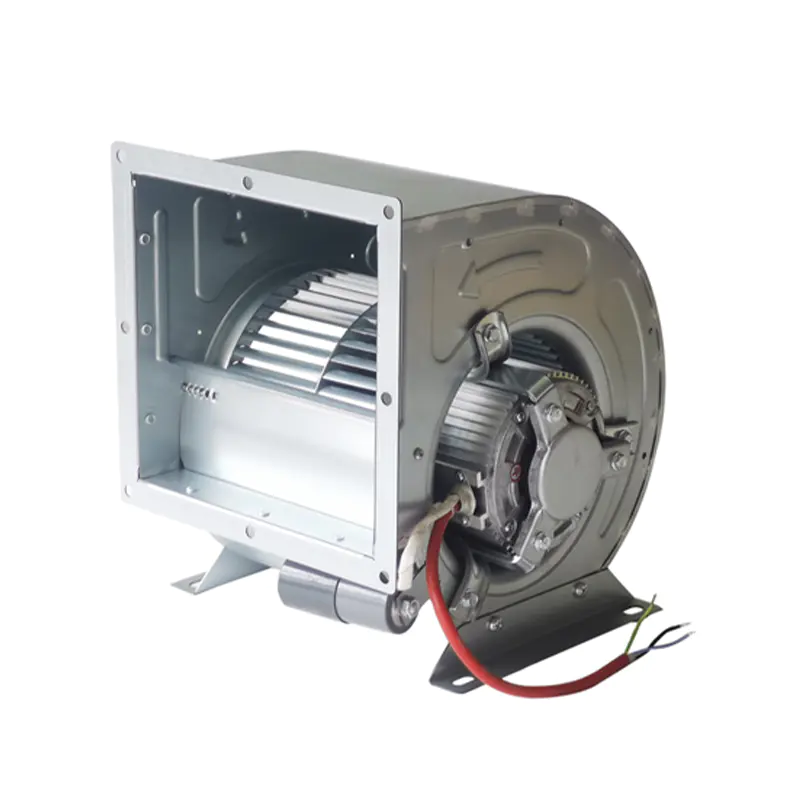
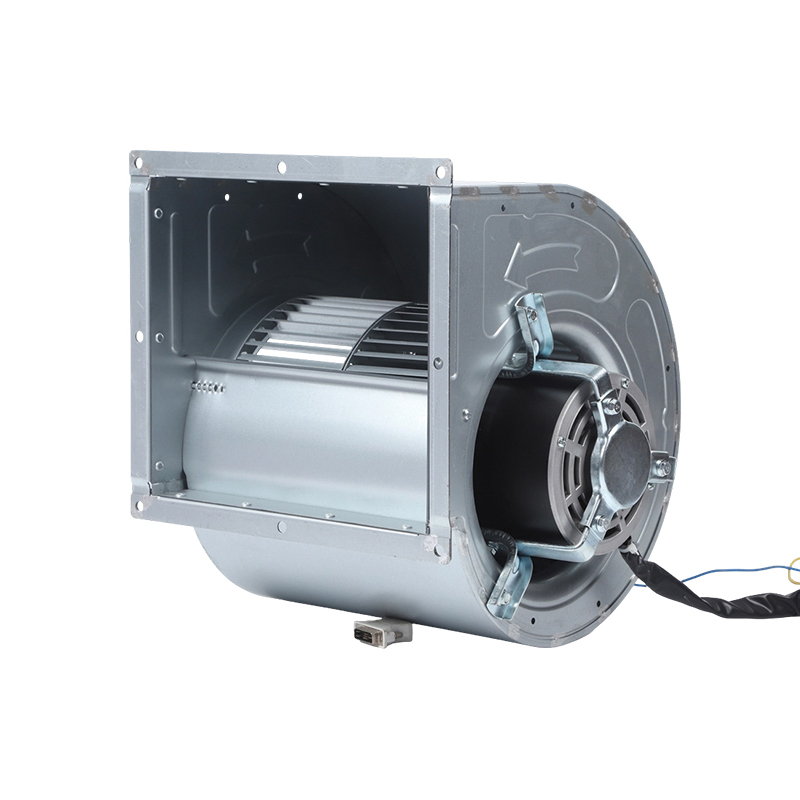
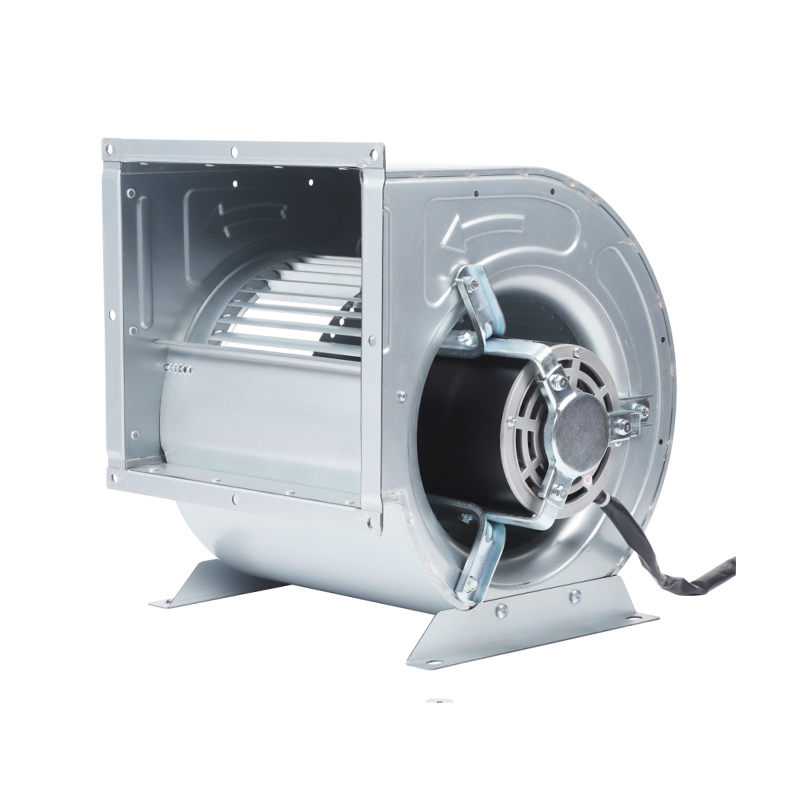
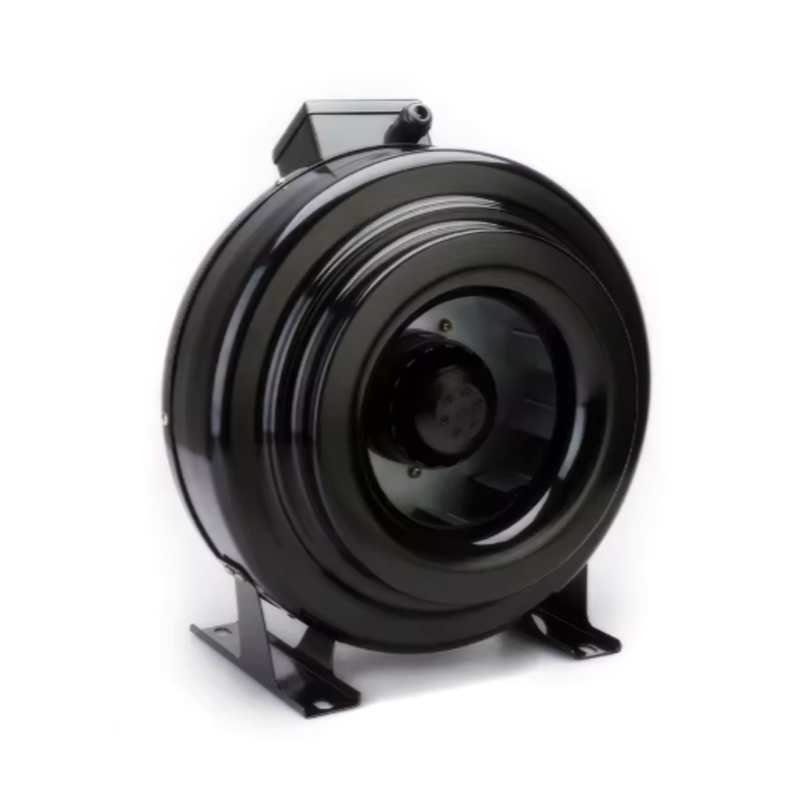
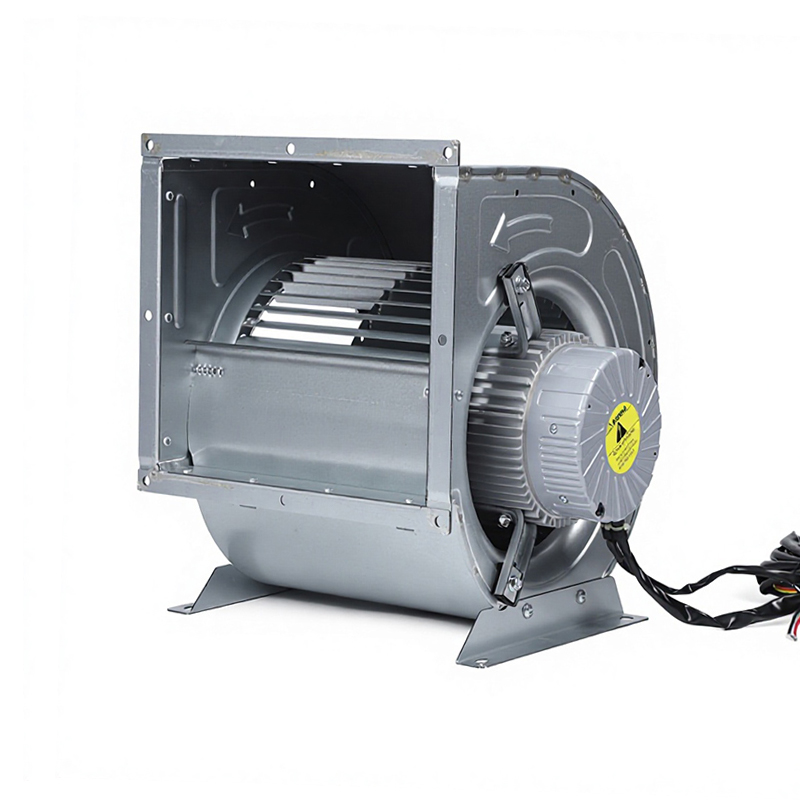
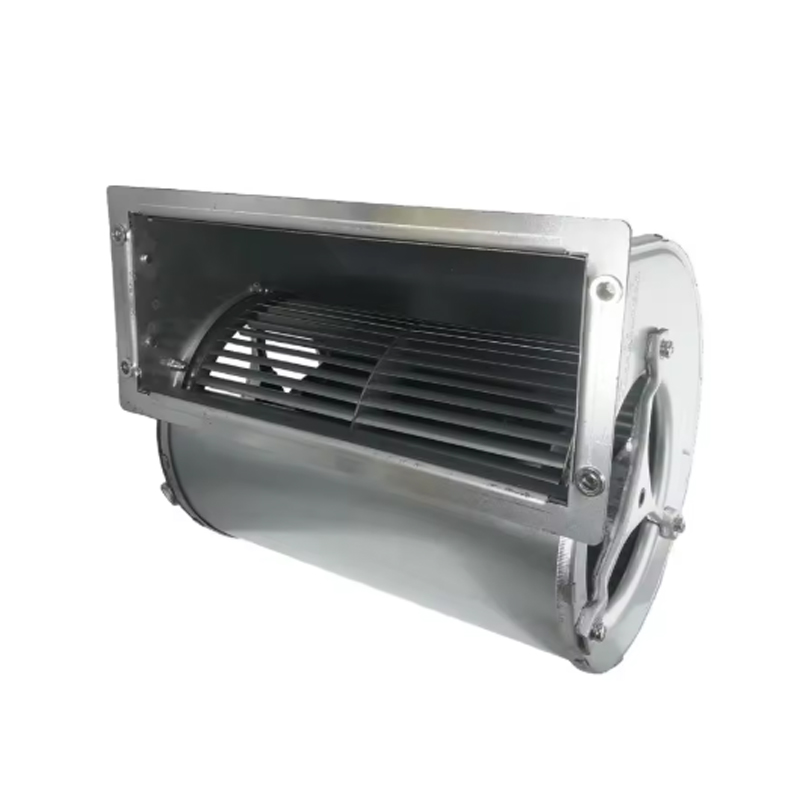
AC Centrifugal Fan Series Built for Durability
Each model below uses a direct-coupled AC motor structure with a compact housing and premium bearing components, reducing the maintenance burden compared with belt-driven designs.
Use Variable Frequency Drive Control to Reduce Wear
Rotational speed has a direct effect on both airflow and noise, and it also determines how hard the motor and bearings work over time. Airflow rises in near direct proportion to speed, but sound power increases with roughly the 4.8 power of speed, meaning doubling the rotational speed can raise noise by around 27 times.
Running a fan at a fixed high speed to guarantee peak airflow puts continuous stress on the motor and bearings, even when the system does not need that much air most of the time. A variable frequency drive lets the fan operate at the lowest speed that still meets demand, which lowers starting inrush current, reduces heat buildup, and extends motor lifespan.
Manage the Operating Environment
- Keep the inlet and outlet clear of obstructions; blocked airflow raises static pressure and motor load.
- In humid or coastal environments, check enclosure seals and drain paths regularly to prevent moisture ingress.
- In high-temperature environments, confirm the ambient temperature stays within the motor rated range, since excess heat shortens insulation life.
- For fans handling oily or corrosive particulate, shorten the cleaning interval and inspect the impeller coating for pitting.
Follow a Practical Maintenance Schedule
| Daily or weekly | Listen for abnormal noise, check for visible obstruction at inlet and outlet |
| Monthly | Check casing temperature, measure operating current, inspect fasteners |
| Quarterly | Clean impeller and volute, inspect insulation resistance, check bearing condition |
| Annually | Re-grease or replace bearings as needed, verify VFD parameters, full electrical inspection |
Following this type of schedule, combined with a direct-coupled AC or EC motor structure and stepless speed control, typically keeps a well-built centrifugal fan performing reliably for many years beyond a unit that only receives attention after a failure occurs.


 ENG
ENG
