
 English
 Español
Content
- 1 Why Cleaning and Maintenance Matter for Box-Type Fans
- 2 Step-by-Step: How to Clean the Blades and Guard
- 3 Recommended Maintenance Schedule
- 4 Box-Type and Centrifugal Fan Series
- 5 Safety Precautions Before You Start Cleaning
- 6 How to Choose a Low-Noise, High-Airflow Box-Type Fan
- 7 Frequently Asked Questions
To clean a box-type fan, cut the power first, remove the guard and blade assembly with a screwdriver, clear dust with a soft brush or low-pressure air, wipe the blades with a mild neutral detergent solution, let every part dry completely, then reassemble. Pair this cleaning routine with bearing lubrication and bolt checks roughly every 2,000 operating hours to keep airflow steady, noise low, and the motor protected from moisture.
Why Cleaning and Maintenance Matter for Box-Type Fans
A box-type fan encloses the impeller and motor inside a sealed casing, which is exactly what gives it a quieter, more compact footprint than an open centrifugal fan. That same casing also traps dust, oil mist, and fibers against the blades over time. Once a thin film builds up on the impeller, the assembly loses aerodynamic balance, airflow drops, vibration increases, and the motor works harder to move the same volume of air. In workshops running continuous ventilation, that extra load is often the real reason a fan motor burns out years earlier than its rated service life.
Cleaning is only half the picture. Bearings, wiring, and mounting bolts sit inside the same enclosure and degrade quietly because they are out of sight. A short inspection during every cleaning cycle catches loose bolts, dry bearings, or frayed insulation before they turn into a shutdown.
Step-by-Step: How to Clean the Blades and Guard
- Disconnect the power first
Switch off the circuit and unplug the fan before touching any part of it. Use a screwdriver to unfasten the guard, then lift out the blade assembly for a clear view of dust, oil residue, or trapped debris.
- Remove dust with a soft brush or low-pressure air
Sweep loose dust off the blade surface with a soft-bristle brush or a low-pressure air gun. Skip stiff or wire brushes, since they can scratch the blade coating and unbalance the impeller over time.
- Wash gently with a mild detergent
Soak the blades in warm water mixed with a small amount of neutral detergent for five to ten minutes, then wipe with a soft cloth. Metal guards respond well to a stainless-steel cleaner, which lifts grime without leaving scratches that invite rust.
- Dry fully before reassembly
Wipe every part dry with a clean towel or let it air-dry completely. Trapped moisture near the motor housing is the single most common cause of insulation failure after a cleaning session, so this step is worth the extra patience.
Recommended Maintenance Schedule
Cleaning frequency depends on the environment, but the table below reflects a practical baseline for fans running in typical commercial or light-industrial spaces.
| Task | Interval | What to Check |
| Dust removal from blades and casing | Every 1–3 months | Visible dust buildup, uneven blade coating |
| Full disassembly and detergent wash | Every 2,000 operating hours | Oil residue, impeller balance, guard corrosion |
| Bearing lubrication | Every 2,000–3,000 operating hours | Oil level, bearing temperature under 70°C |
| Bolt and mounting inspection | Every 3 months | Loose fasteners from vibration, torque check |
| Wiring and insulation check | Every 6 months | Frayed wires, moisture near terminals |
Box-Type and Centrifugal Fan Series
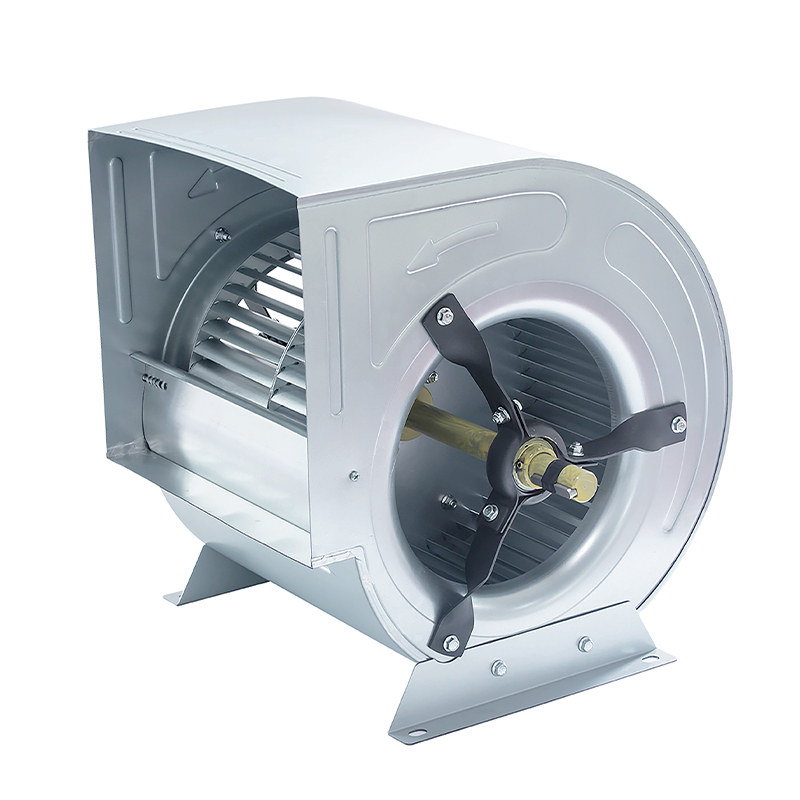
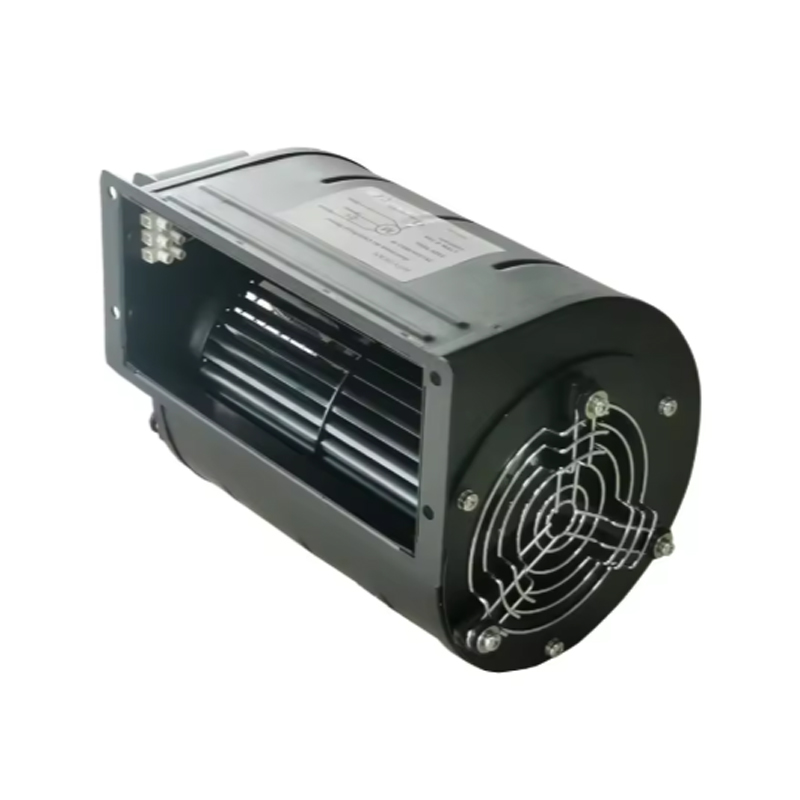
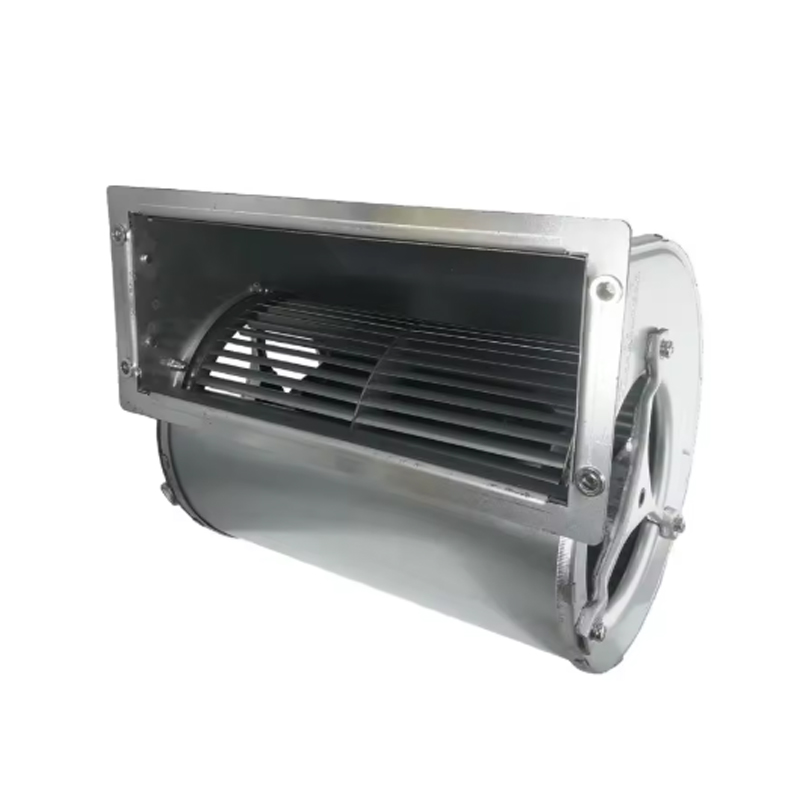
A quick look at the enclosed and open centrifugal designs referenced throughout this guide, from the low-noise box-type series to compact AC and single-inlet models built for continuous duty.
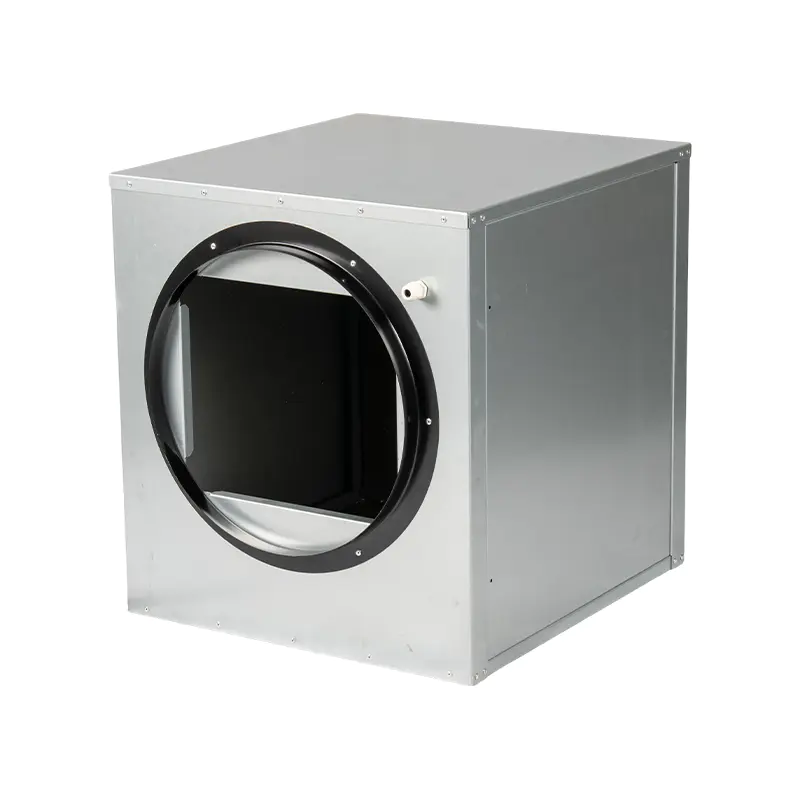
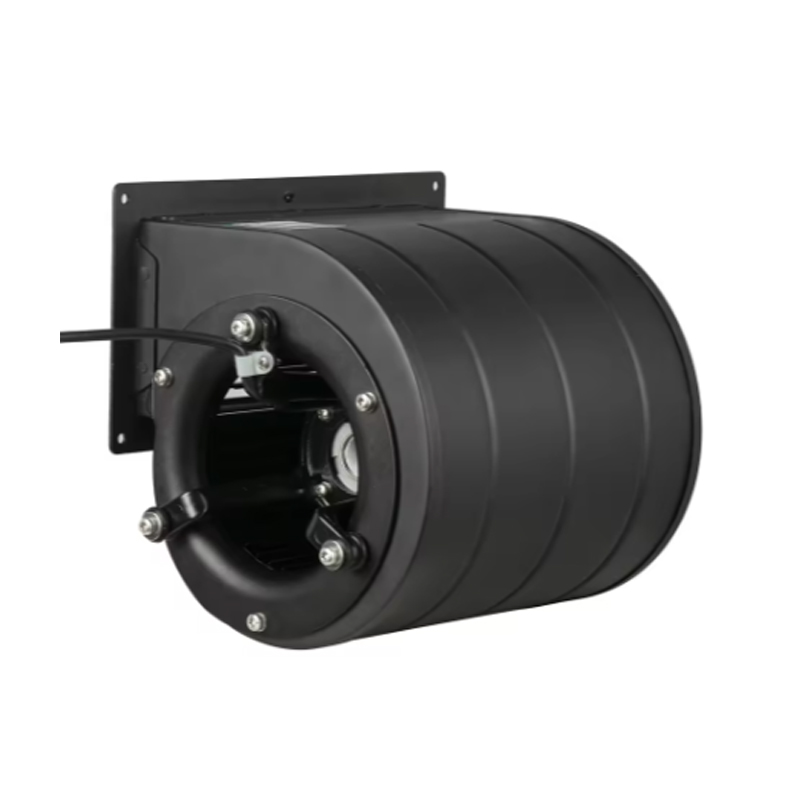
BMF Series Box-Type Motor Fan
Box-Type Fans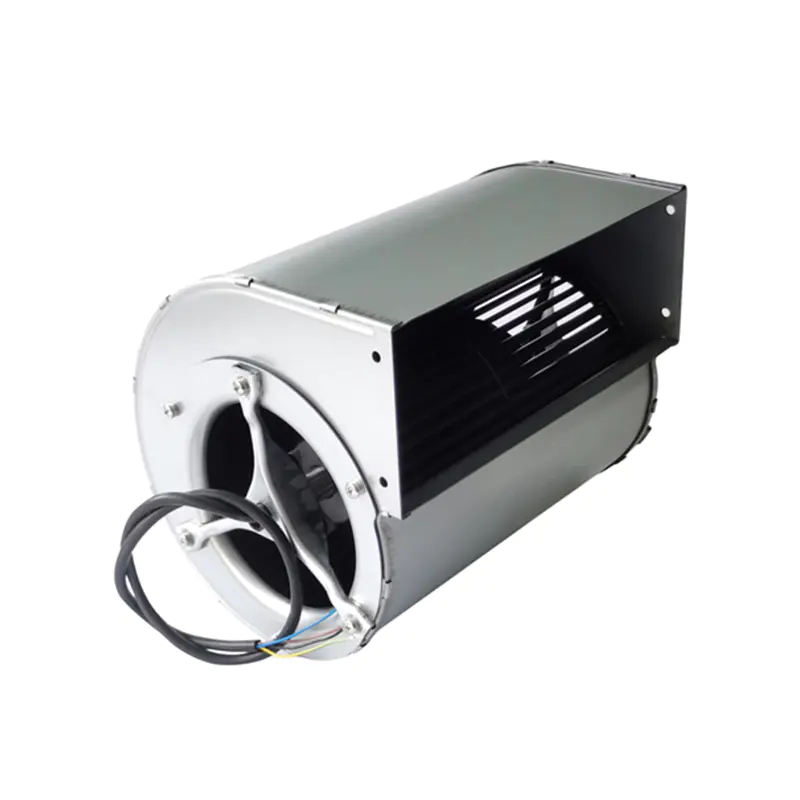
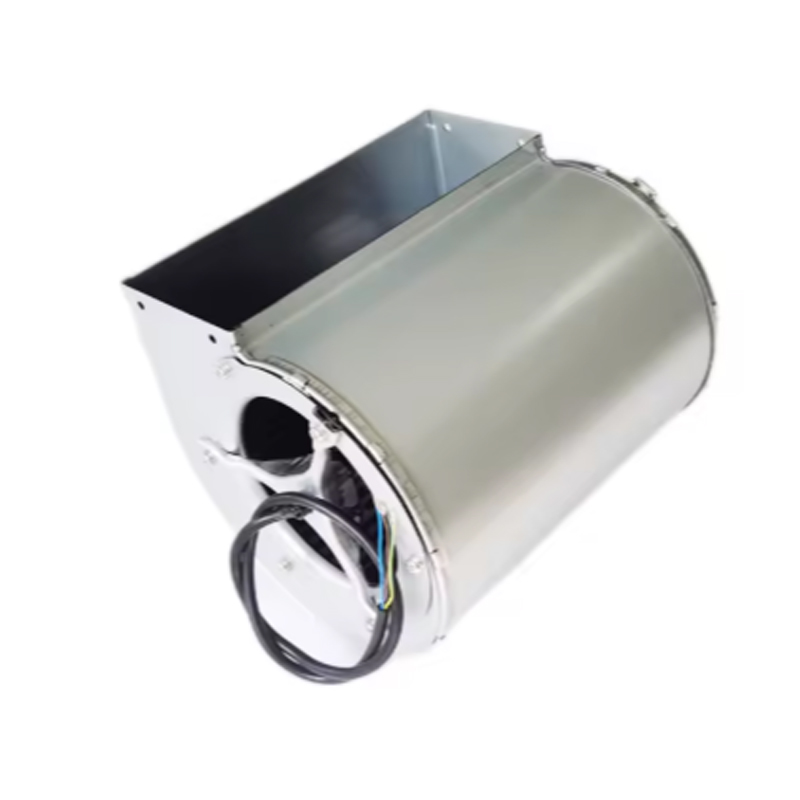
DDM 160-250 External Rotor Fan
AC Centrifugal Fans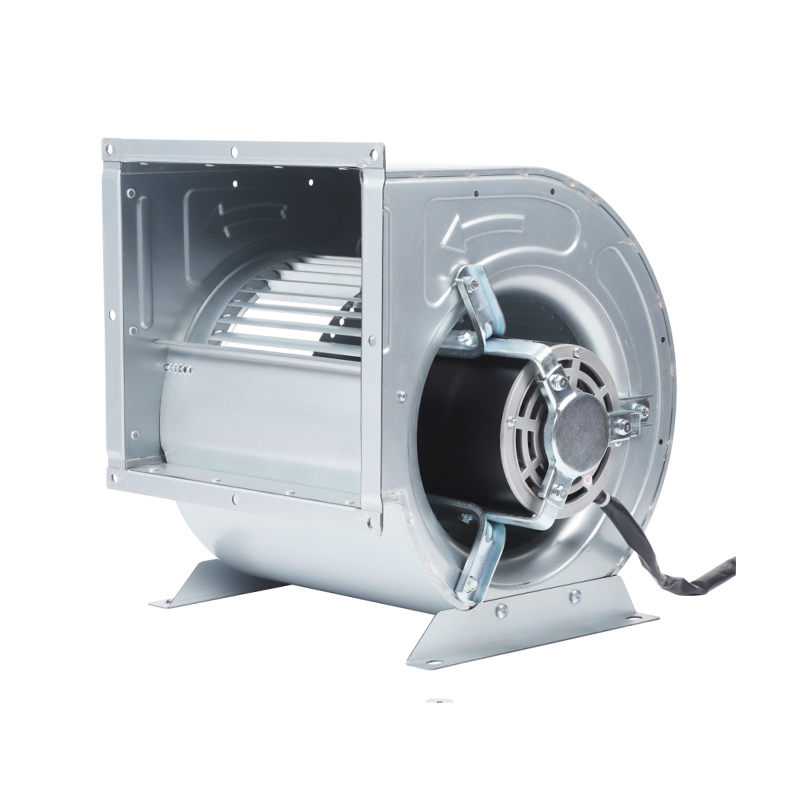
LKZ 9-9-550W Snail Exhaust Fan
AC Centrifugal Fans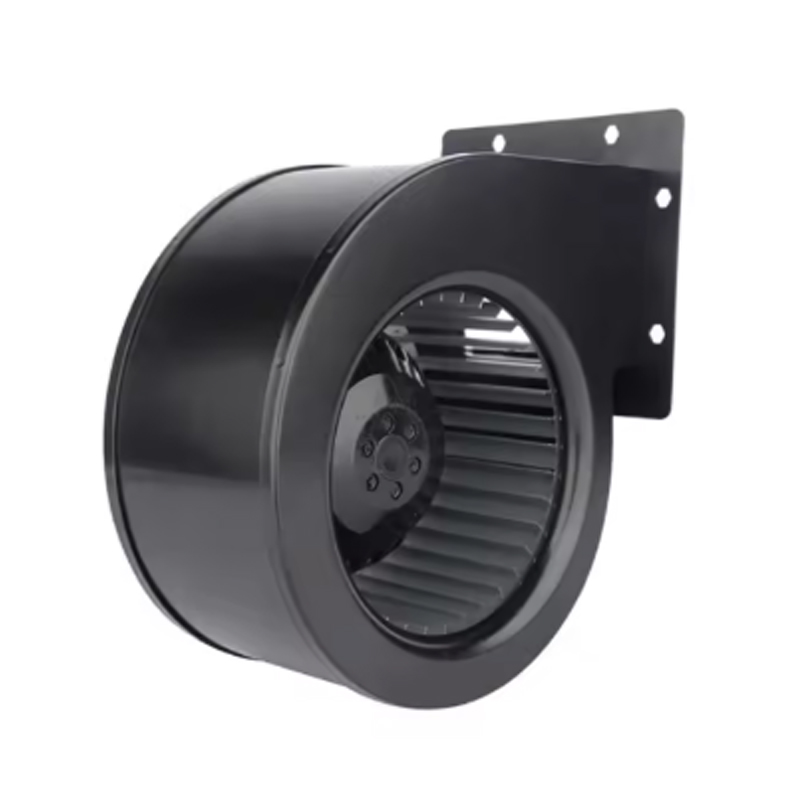
High Static Pressure Snail Fan
Single Inlet Centrifugal Fans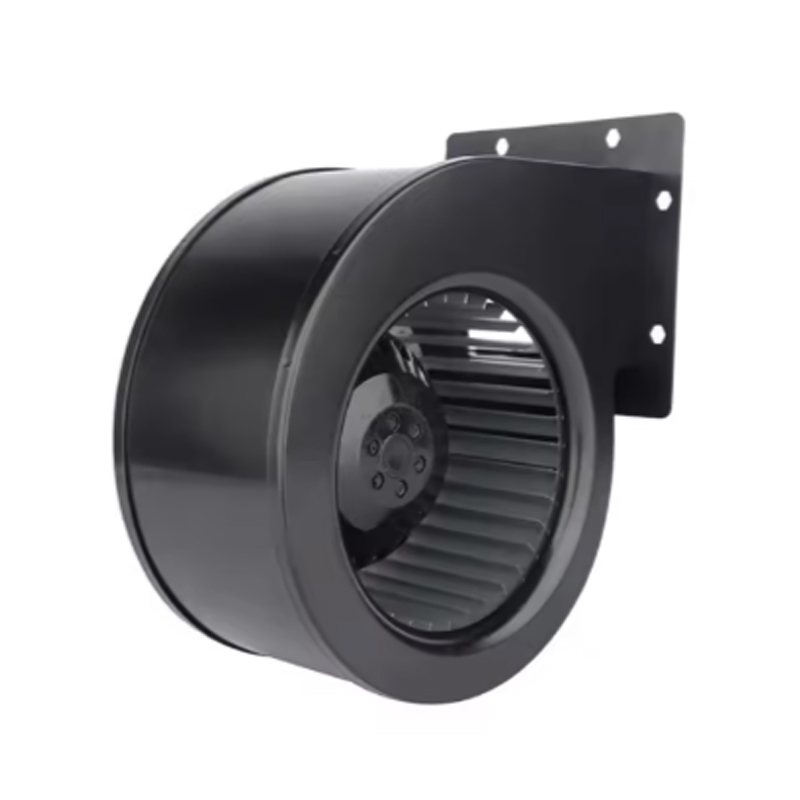
160mm Direct Drive Fan
Single Inlet Centrifugal FansSafety Precautions Before You Start Cleaning
Cleaning a fan means opening an enclosure that normally protects both the operator and the components inside it. The precautions below matter as much as the cleaning steps themselves.
| Precaution | Why It Matters |
| Lock out the power switch or unplug the unit | Prevents the blade assembly from starting accidentally while your hands are inside the casing |
| Check wire insulation before you begin | Avoids exposing bare or damaged conductors to water during the wash step |
| Wear a dust mask and gloves | Keeps accumulated dust out of the respiratory tract and protects hands from sharp blade edges |
| Work in a dry, well-ventilated area | Reduces the chance of residual moisture reaching the motor after reassembly |
| Use a three-pin grounded outlet when testing after cleaning | Protects against electric shock if any moisture remains in the wiring |
| Listen and check temperature on the first restart | Catches an incomplete reassembly or a bearing issue before it becomes a bigger fault |
How to Choose a Low-Noise, High-Airflow Box-Type Fan
Cleaning keeps a well-built fan performing at its rated level, but the ceiling on that performance is set at the selection stage. Four factors decide whether a box-type fan will stay quiet and efficient for years rather than months.
- Noise rating: Look for a published sound level; a unit under 30 dB is generally considered low-noise for enclosed commercial use.
- Airflow matched to static pressure: Confirm both the m³/h airflow figure and the Pa static pressure rating against your duct length and resistance, not just the airflow number alone.
- Motor and drive type: A direct-coupled AC or brushless EC motor removes belt losses and gives finer speed control than a belt-driven design.
- Housing and bearing quality: Aluminum alloy or stainless-steel casings paired with ball or hydraulic bearings dampen vibration, which lowers both noise and long-term wear.
Frequently Asked Questions
How often should the blades actually be cleaned?
Wipe visible dust off every one to three months, and schedule a full disassembly and detergent wash around every 2,000 operating hours, or sooner in dusty or oily environments.
Can I use a pressure washer instead of a soft cloth?
No. High-pressure water can force moisture past seals and into the motor housing. A soft cloth with a mild detergent solution, followed by complete air-drying, is the safer approach.
What causes a box-type fan to get louder over time?
Dust buildup on the impeller is the most common cause, since it throws off the blade balance. Dry or worn bearings and loosened mounting bolts are the next two most likely sources.
Does the enclosed casing need any maintenance besides blade cleaning?
Yes. Check the motor bearing lubrication, inspect wiring and insulation condition, and apply anti-corrosion or moisture-proofing treatment appropriate to the operating environment.

 ENG
ENG
