
 English
 Español
Content
- 1 What Causes Blower Impeller Noise and Vibration?
- 2 Primary Causes of Abnormal Noise and Vibration
- 3 Diagnostic Table: Noise Type vs. Likely Cause
- 4 Step-by-Step Troubleshooting Guide
- 5 Preventive Maintenance to Extend Impeller Life
- 6 When to Replace vs. Repair the Blower Impeller
- 7 Industry Best Practices from a Leading Manufacturer
What Causes Blower Impeller Noise and Vibration?
The abnormal noise or vibration in a blower impeller is most commonly caused by physical imbalance (over 70% of field service cases), followed by bearing failure, loose mounting, or foreign object debris. If the impeller is not perfectly balanced, even a slight weight discrepancy—often as little as 0.5 grams at the tip—can generate noticeable vibration and acoustic noise, especially at higher rotational speeds.
In short: stop operation immediately if you detect strong vibration or irregular noise. Continuing to run an unbalanced impeller can lead to catastrophic bearing damage, shaft fatigue, or housing destruction.
Primary Causes of Abnormal Noise and Vibration
Understanding the root cause is essential for effective repair. Below are the four most common failure modes with supporting data from real-world HVAC field diagnostics.
1. Rotor Imbalance (The Leading Cause)
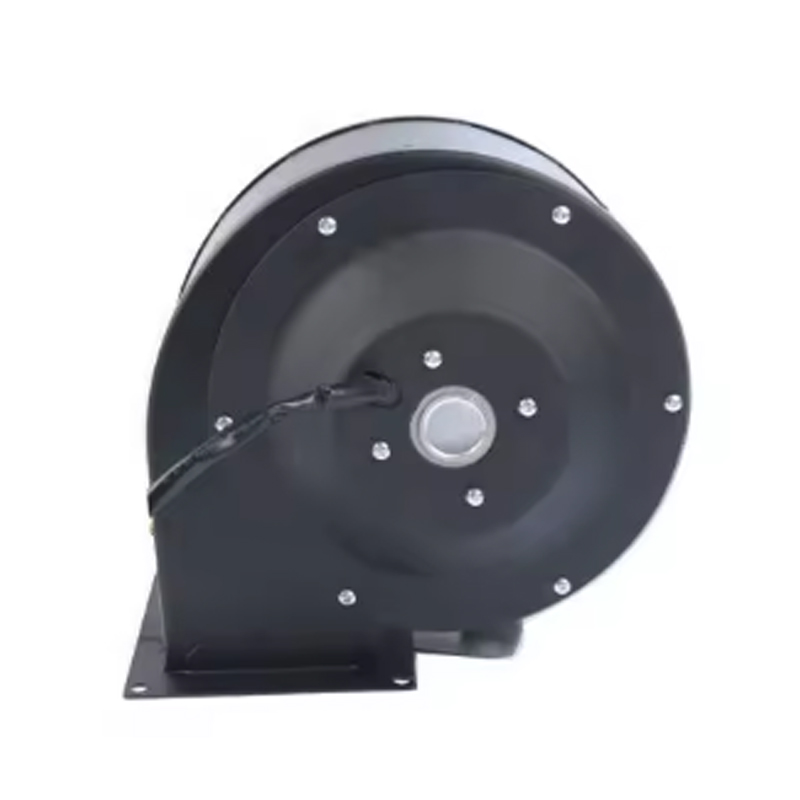
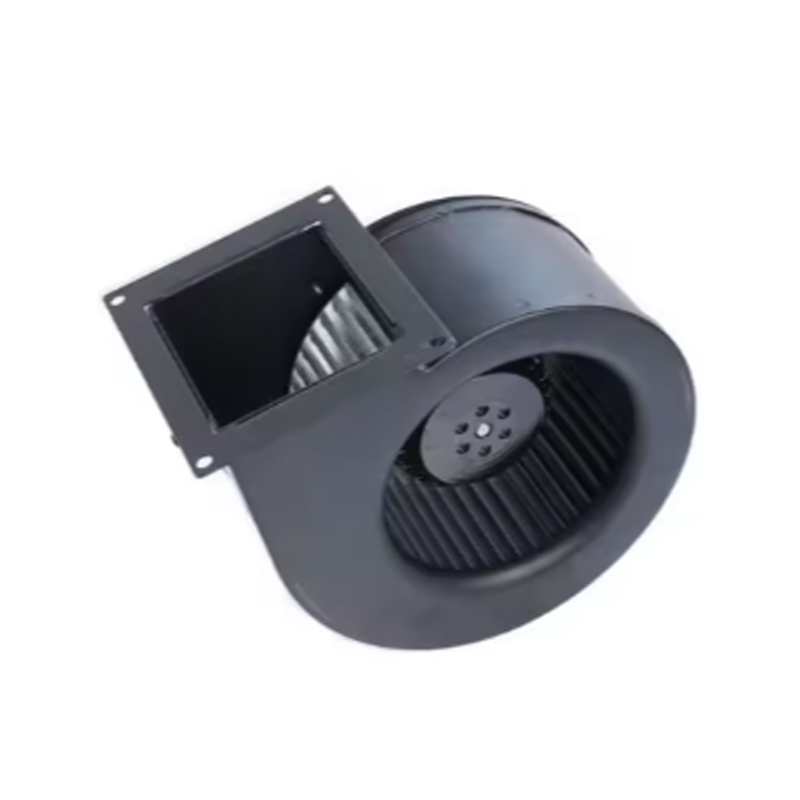
Even a professionally manufactured forward-curved centrifugal fan can become unbalanced due to dust accumulation, corrosion, or previous improper cleaning. Industry standards such as ISO 1940-1 classify impeller balance grades. For HVAC blowers, balance quality grade G 6.3 is typical. When imbalance exceeds this threshold, vibration velocity rises above 0.28 in/s (7.1 mm/s), generating a low-frequency hum or rhythmic thumping.
Real-world example: A 12-inch forward-curved impeller operating at 1,450 RPM with just 2 grams of uneven dust buildup on one blade produced vibration levels exceeding 0.35 in/s RMS—enough to cause audible structural resonance in the ductwork.
2. Bearing Wear or Misalignment
Bearings support the rotating shaft. When they degrade, noise transitions from smooth airflow sounds to metallic squealing, rattling, or a rough growl. In EC motor-driven fans, bearing failure often shows as increased vibration at the motor end (up to 0.5 in/s) before total seizure. Premature bearing wear accounts for approximately 25% of blower impeller service calls, particularly in units running continuously without scheduled lubrication or in high-humidity environments.
3. Loose Mounting or Structural Resonance
If the blower housing, motor base, or impeller hub fasteners loosen, the impeller may shift axially or radially. Loose mounting allows the rotating assembly to hit the volute casing, creating intermittent scraping or clattering noises. Vibration analysis often shows dominant frequencies matching the rotational speed (1× RPM) with sidebands when mounting is the issue.
4. Foreign Objects or Blade Damage
Small debris such as screws, insulation fragments, or dried debris can lodge between the impeller blades and the housing. This typically produces sharp, irregular clicking that varies with speed. In severe cases, a bent blade alters the aerodynamic balance, raising sound pressure levels by 8–12 dB(A) compared to a new impeller.
Diagnostic Table: Noise Type vs. Likely Cause
Use this table to quickly correlate the sound you hear with the most probable failure source. Accurate diagnosis prevents unnecessary part replacement.
| Noise/Vibration Type | Sound Description | Most Likely Cause | Typical Frequency |
|---|---|---|---|
| Low-frequency rumble | “Wobbling” or throbbing | Mass imbalance | 1× RPM |
| High-pitched squeal | Continuous metallic squeaking | Bearing starvation or wear | 2× – 10× RPM |
| Intermittent scraping | Metal-on-metal scratch | Loose housing, shifted impeller | Irregular |
| Clicking or rattling | Sharp, repeating impact | Foreign object or broken blade | Rotational frequency |
Step-by-Step Troubleshooting Guide
Follow this practical sequence to identify the cause without guesswork. Always disconnect power before inspecting the blower impeller.
- Perform a visual and manual inspection – Remove the access panel. Check for obvious debris, corrosion, or blade deformation. Rotate the impeller by hand; it should spin freely without resistance or audible scraping.
- Check impeller balance – If you notice uneven dust accumulation, clean the impeller thoroughly using a soft brush and mild detergent. After cleaning, over 60% of balance-related noise issues resolve without further action.
- Assess bearing condition – With the unit off, try to move the shaft radially and axially. Any detectable play indicates bearing wear. For EC motor-driven fans, listen for electrical arcing or rough spots during manual rotation.
- Verify mounting integrity – Tighten all mounting bolts to manufacturer torque specifications. A loose motor mount can amplify vibration by a factor of 3 to 5 times compared to a rigid installation.
- Measure vibration (if tools available) – Use a portable vibration meter. Acceptable levels for most centrifugal fans are below 0.2 in/s (5 mm/s) RMS. Readings above this threshold warrant impeller rebalancing or replacement.
Critical note: If the impeller is cracked or a blade is missing, do not attempt to repair it. Replace the unit immediately to avoid hazardous high-speed disintegration.
Preventive Maintenance to Extend Impeller Life
Prevention is far more cost-effective than emergency repair. Data from facility management studies indicate that scheduled blower maintenance reduces unexpected failure rates by up to 65%.
Scheduled Cleaning Interval
For impellers operating in standard HVAC environments, perform cleaning every 6 to 12 months. In dusty industrial or agricultural settings, reduce intervals to 3 months. Document the cleaning date and vibration baseline.
Lubrication Protocol
If the blower uses greaseable bearings, apply high-temperature bearing grease every 4,000 operating hours or annually. Over-greasing can be as harmful as under-greasing; follow the bearing manufacturer’s quantity recommendation.
Vibration Monitoring Program
Establish a baseline vibration reading when the impeller is new or freshly serviced. Conduct quarterly spot checks. A 30% increase from baseline is a reliable indicator that maintenance should be scheduled before noise or failure occurs.
When to Replace vs. Repair the Blower Impeller
Many professionals struggle with the repair-or-replace decision. The following criteria provide a clear guideline based on engineering and economic factors.
- Replace immediately if there is visible blade cracking, corrosion perforation, or if the impeller was previously balanced but still shows >0.3 in/s vibration after cleaning.
- Repair (rebalance) when the impeller is structurally sound but mass imbalance exists. Professional dynamic balancing can restore vibration to <0.1 in/s, often at 30–40% of the cost of a new impeller.
- Consider replacement if the blower uses an obsolete design or if the motor bearings are non-serviceable and show wear. In EC motor-driven centrifugal fans, integrated motor-impeller assemblies often warrant full replacement for reliability.
For critical systems such as cleanroom air handlers or data center cooling, proactive replacement at the first sign of imbalance is recommended to prevent downtime, where the cost of failure can exceed $10,000 per hour.
Industry Best Practices from a Leading Manufacturer
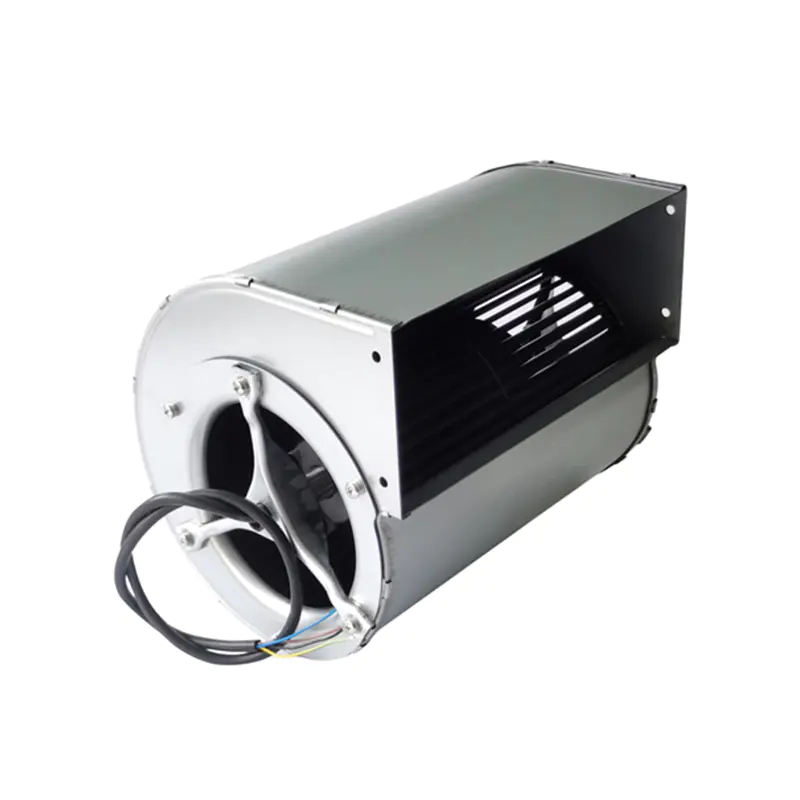
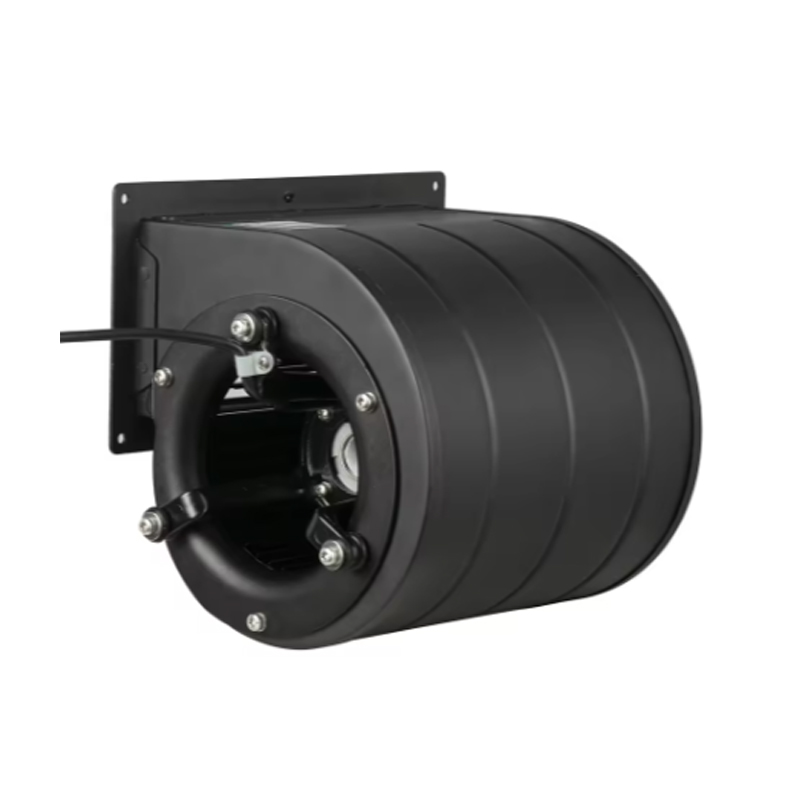
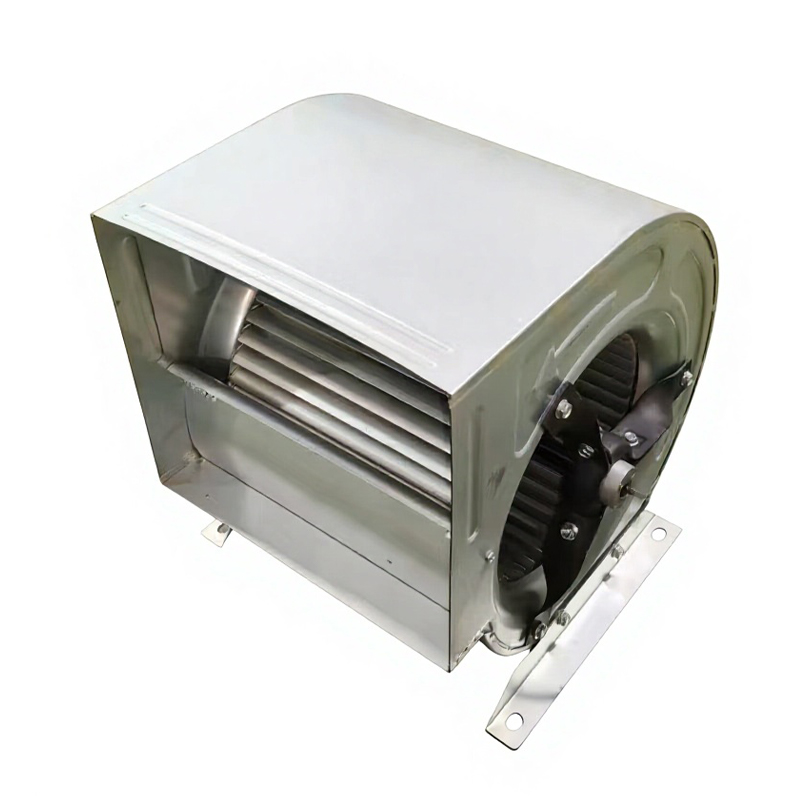
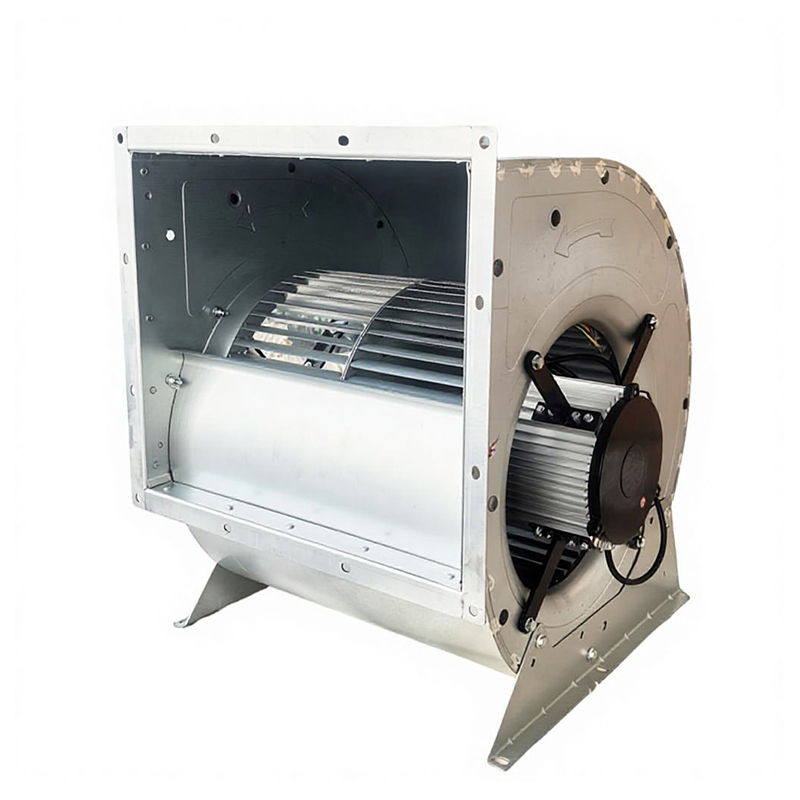
Yuyao Jiale Ventilation Equipment Co., Ltd., a professional manufacturer of centrifugal fans, air purification fans, and OEM powerful blower impellers, emphasizes that quality begins with precision manufacturing. Their forward-curved centrifugal fans utilize single-phase direct-coupled AC and EC motor drive structures, which inherently reduce vibration by eliminating belt-drive misalignment—a common noise source in traditional systems.
According to their engineering team, impellers balanced to G 2.5 (ISO 1940-1) instead of the standard G 6.3 show a 40% reduction in field noise complaints. They recommend that system designers select blower impellers with integrated speed control (EC technology) to avoid resonance at critical speeds, thereby extending operational lifespan and maintaining low noise profiles in variable air volume (VAV) systems.
For HVACR systems, fresh air systems, and air purification equipment, choosing a high-quality impeller with robust corrosion-resistant coating (such as e-coating or stainless steel variants) dramatically reduces the risk of imbalance due to corrosion. This is especially critical in coastal or chemical environments where uncoated steel impellers can show measurable imbalance within 18 months of operation.
 ENG
ENG
