
What Causes Blower Impeller Noise and Vibration? The abnormal noise or vibration in a blower impeller is most commonly caused by physical imbalance (over 70% of field service case...
READ MOREThe Primary Function of the Blower Impeller The primary function of the blower impeller is to convert rotational mechanical energy from a motor into kinetic energy and then into s...
READ MOREYuyao Jiale Ventilation Equipment Co.,Ltd.'s Core Advantages:
1. Full Range of Central Air Conditioning Terminal Products: Including centrifugal fans, air purification fans, 8 inch exhaust fans, exhaust fans for restaurants, etc., meeting the needs of various scenarios such as HVACR and clean air systems.
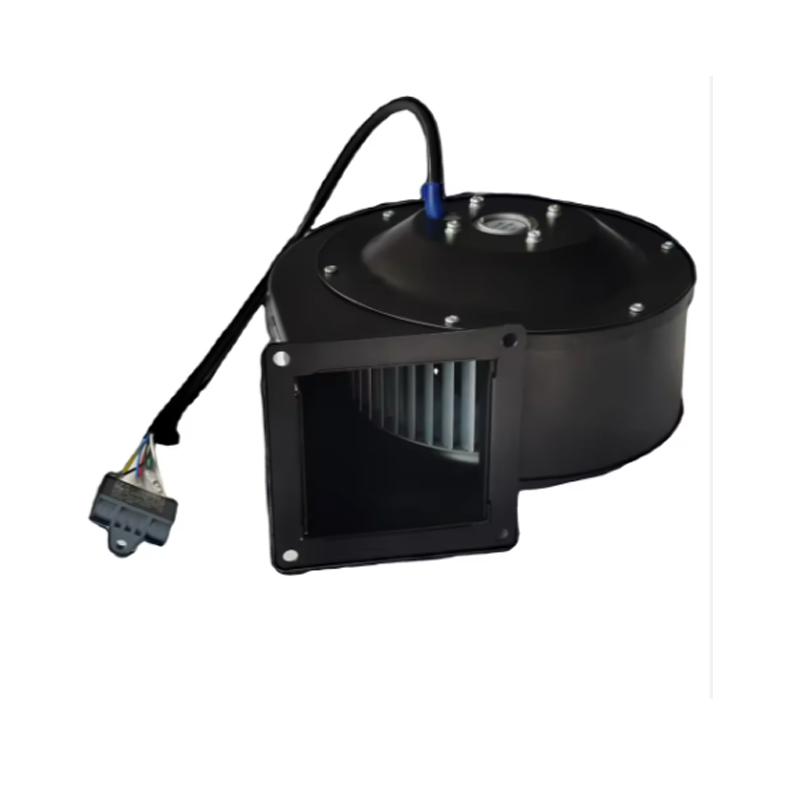
2. Advanced Drive Technology: Utilizing single-phase direct-coupled AC motors or EC (brushless) motors, combining high efficiency, low noise, and convenient speed adjustment.
3. R&D Strength: Possessing extensive R&D experience in forward centrifugal fans and impellers, enabling rapid response to customized needs of global customers.
4. Quality and Service: Products have passed multiple international quality system certifications, and after-sales service provides professional on-site commissioning, maintenance training, and spare parts support.
What is the maintenance cycle for an exhaust fan for restaurant?
| Recommended Interval | Key Points | |
| Exterior and impeller cleaning | Every 3 months (monthly for kitchens with heavy oil fumes) | Use a soft cloth or sponge with neutral detergent; avoid hard brushes that could damage the blades. |
| Motor inspection | Every 6 months | Check motor insulation and tighten connections; have a professional perform electrical testing if needed. |
| Exhaust duct inspection | Every 6 months | Ensure ducts are free of blockages and oil buildup to prevent increased airflow resistance and noise. |
| Annual comprehensive maintenance | Once a year | Conduct full disassembly, deep cleaning, lubrication, and performance calibration by the manufacturer or an authorized service center. |
What safety precautions should be taken when cleaning an 8 inch exhaust fan?
Safety Precautions for Cleaning an 8 inch exhaust fan:
1. Disconnect Power: Before operation, be sure to unplug the power cord or turn off the corresponding switch in the distribution box to prevent accidental start-up.
2. Wear protective equipment: Use insulated gloves, safety glasses, and a dust mask to avoid contact with oil, debris, or eyes.
3. Secure support: Before disassembling the fan, secure the unit with supports or ropes to prevent it from falling due to weight or vibration.
4. Use suitable cleaning agents: Choose low-corrosion, neutral cleaning agents to avoid corrosion of metal surfaces by strong acids or alkalis.
5. Avoid excessive water immersion: Fan blades can be soaked for a short time, but never directly irrigate the motor casing to avoid water ingress and short circuits.
How to choose a low-noise exhaust fans for restaurants?
1. Noise level: Prioritize models with a noise level of 30-40dB (equivalent to a library environment). Products below 40dB offer the most comfortable user experience.
2. Drive method: Belt-driven centrifugal fans have relatively stable speeds and lower noise; in contrast, direct-drive (motor directly connected) fans are slightly noisier.
3. Blade design: Use five- or six-bladed impellers with optimized tilt angles to reduce airflow noise while maintaining airflow volume.
4. Compact Structure: The internal casing utilizes sound-absorbing materials or vibration-damping pads to further reduce resonance noise.
5. Brand and Certification: Choose products that have passed ISO 9001/14001 or domestic and international quality certifications to ensure the accuracy and reliability of noise test data.
For key considerations in low-noise product selection, refer to professional selection articles and analyses of silent exhaust fans.
Frequently Asked Questions (FAQ)
Q1: What are the main technical parameters of an 8-inch exhaust fan?
A: Common 8-inch (approximately 200mm) exhaust fans have a power output between 30W and 80W, a speed between 1200RPM and 2800RPM, a maximum airflow of 450CFM (approximately 250m³/h) to 1300CFM (approximately 730m³/h), and a noise level between 52dB(A) and <62dB(A). The casing is mostly made of galvanized steel or cast iron, and the impeller can be designed with steel or iron plates.
Q2: What are the advantages of an 8-inch exhaust fan in a restaurant kitchen?
A: Small size and minimal space requirements, suitable for installation in narrow kitchen spaces.
Low power consumption and energy saving; 30W–40W is sufficient to provide adequate ventilation, reducing operating costs.
Relatively low noise (approximately 52dB), not affecting the restaurant environment.
Centrifugal or axial flow models are available to meet different ventilation needs (such as high pressure or high flow rate). High temperature and grease resistant, some models have passed UL762 and other grease-resistant certifications, suitable for kitchens with heavy oil fumes.
Q3: What indicators should be focused on when purchasing a restaurant exhaust fan?
A: Airflow (CFM): Determined by the kitchen area and the amount of oil fumes generated. Generally, restaurant kitchens require high-flow fans of 2000 CFM or higher; if space is limited, a compact model with a flow rate below 2000 CFM can be selected.
Static Pressure (inwg): Determined by duct length and the number of bends; common requirements are between 0.5–1.5 inwg.
Grease Resistance Rating: Grease-resistant exhaust fans with UL762 or cUL762 certification are standard requirements for restaurant kitchens.
Noise Level: Restaurants are sensitive to noise; it is recommended to choose a model ≤60dB(A).
Installation Method: Wall-mounted, roof-mounted, or ducted, must comply with local building codes (such as NFPA 96).
Q4: What are the key considerations for installing an exhaust fan for a restaurant? A: Exhaust Vent Direction: Exhaust air must not blow directly onto sidewalks, outdoor dining areas, or residential windows. Ensure exhaust is kept away from public spaces.
Backflow Prevention: Install bird netting or automatic shutters to prevent rainwater and dust from flowing back into the kitchen.
Exhaust Height: Roof exhaust vents should be at least 40 inches above the roof surface, and horizontal exhaust vents should be at least 18 inches above the roof surface, meeting fire safety regulations.
Pipe Material: Use metal pipes that meet UL705 or local fire safety standards. Avoid using plastic pipes that may melt in high-temperature, oily fume environments.
Electrical Wiring: Follow local electrical codes (such as NEC70) and use moisture-proof junction boxes.


 English
 Español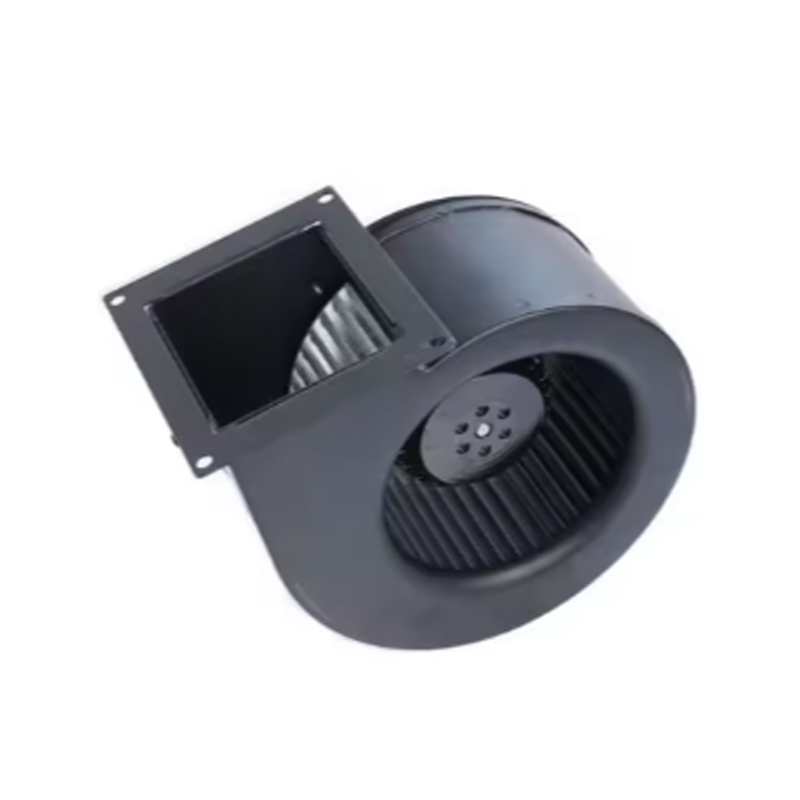

 ENG
ENG