
 English
 Español
Content
- 1 The Direct Answer: Match Performance Curves to Your System’s Needs
- 2 Understanding EC Technology: Why It Matters for Selection
- 3 The Selection Process: A Step-by-Step Approach
- 4 Comparing Fan Types: Forward vs. Backward Curved
- 5 Key Specifications and What They Mean
- 6 The Cost-Benefit Analysis of EC Selection
The Direct Answer: Match Performance Curves to Your System’s Needs
Selecting the right EC (Electronically Commutated) centrifugal fan is fundamentally about matching its specific performance curve to your system’s required operating point (airflow vs. static pressure). Unlike traditional AC fans, EC fans offer integrated electronics that provide variable speed control and high efficiency. The most critical step is to calculate the static pressure your system will generate at the desired airflow. A mismatch here can lead to inefficiency, noise, or inadequate ventilation. Data from industry tests show that correctly sized EC fans can be up to 70% more efficient than equivalent AC solutions at partial load.
Understanding EC Technology: Why It Matters for Selection
EC motors combine the efficiency of a brushless DC motor with the simplicity of an AC power supply. They feature an integrated inverter that converts incoming AC power to DC, allowing for precise control. This built-in intelligence is the key differentiator. For example, Yuyao Jiale Ventilation Equipment Co., Ltd., as a professional manufacturer and processor, leverages this technology in their industrial EC centrifugal fans. They adopt single-phase direct-coupled AC and EC motor drive structures, providing high-quality products for global enterprises. The main advantages driving selection are:
- High Efficiency: EC motors generate significantly less heat than AC motors, converting more electricity into useful work.
- Integrated Speed Control: They can be controlled with a simple 0-10V signal or PWM, eliminating the need for external variable frequency drives (VFDs).
- Low Noise: Precise commutation reduces electromagnetic and mechanical noise across the operating range.
The Selection Process: A Step-by-Step Approach
To select the ideal fan, you must move beyond simple diameter and voltage considerations. Follow this systematic process.
Step 1: Define Your Operating Point
Calculate the required airflow (in CFM or m³/h) and the total static pressure (in inWG or Pa) your system will impose at that flow. This is the fan's duty point. For instance, a ducted air conditioning unit might require 2000 m³/h at 300 Pa static pressure. This single point is your primary selection criterion.
Step 2: Consult Manufacturer Performance Curves
Every EC centrifugal fan has a published performance curve. You need to select a fan where your calculated operating point falls comfortably within the curve, ideally in the region of peak efficiency. Avoid selecting a fan where the operating point is at the very far right of the curve (stall region) or too far left (inefficient over-speeding).
Step 3: Evaluate Physical and Electrical Constraints
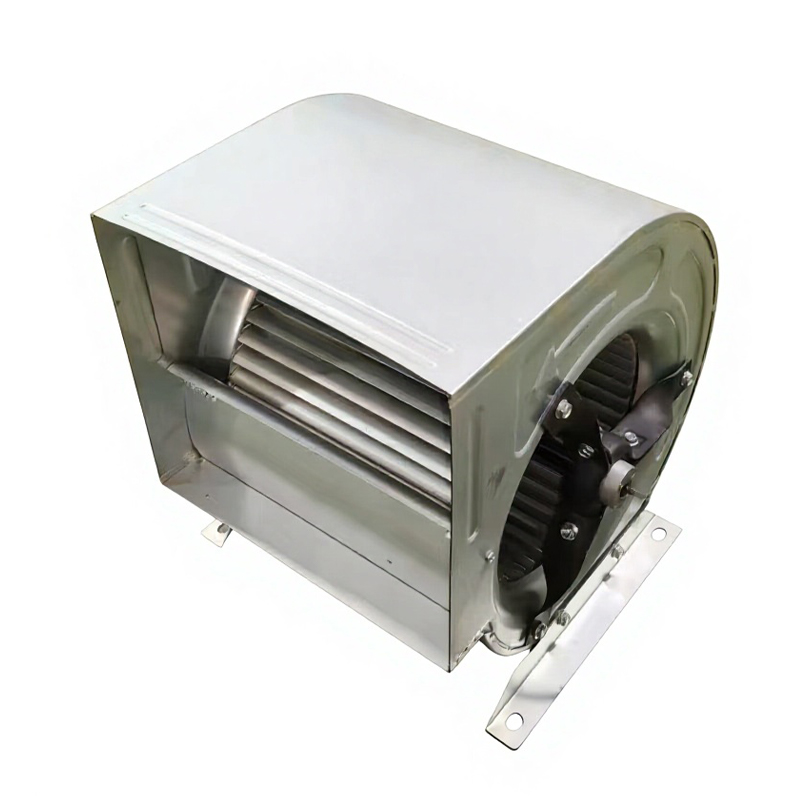
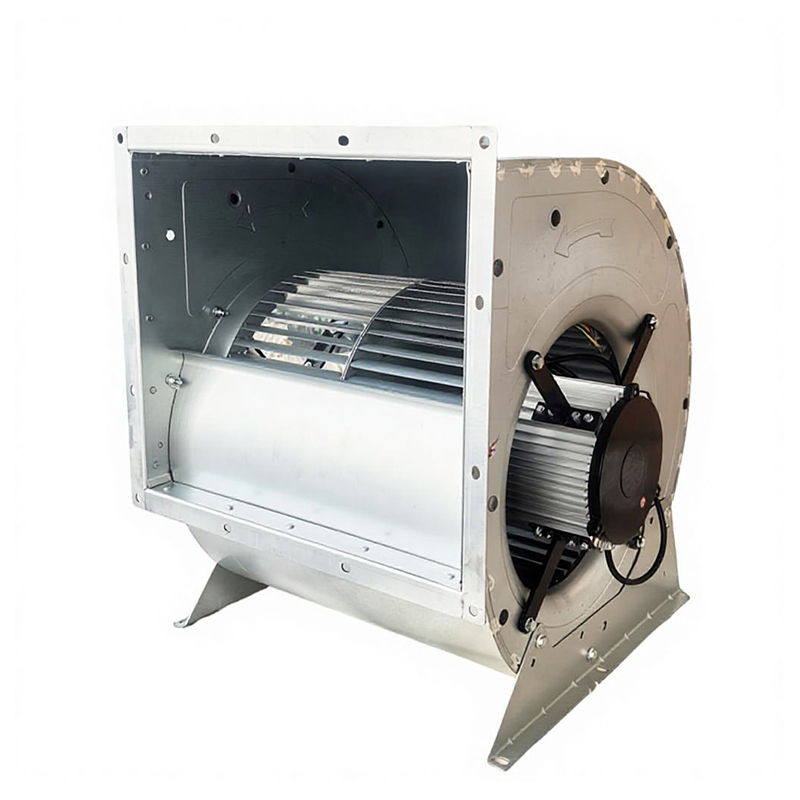
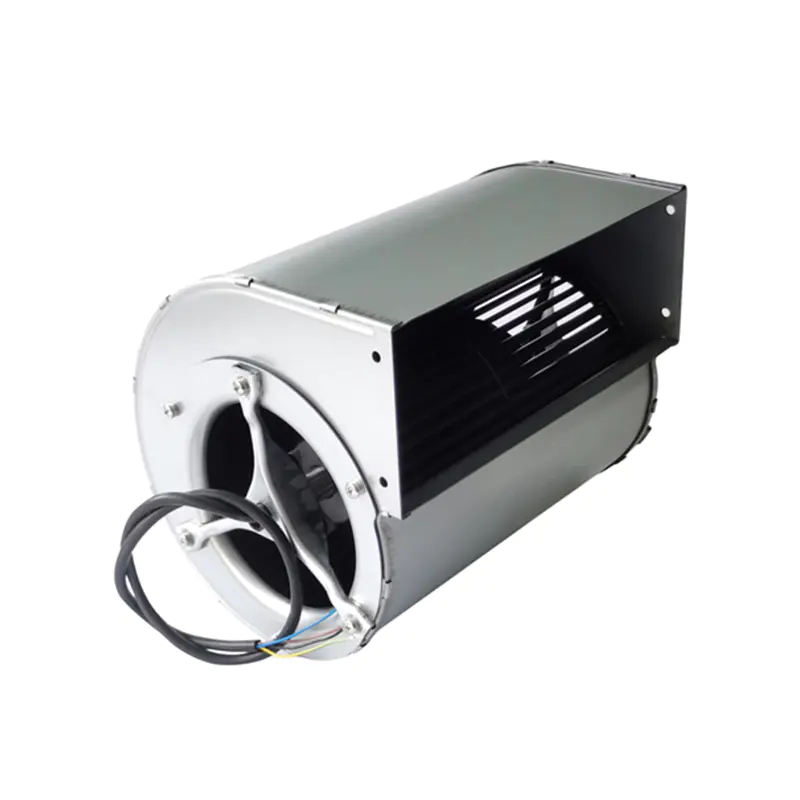
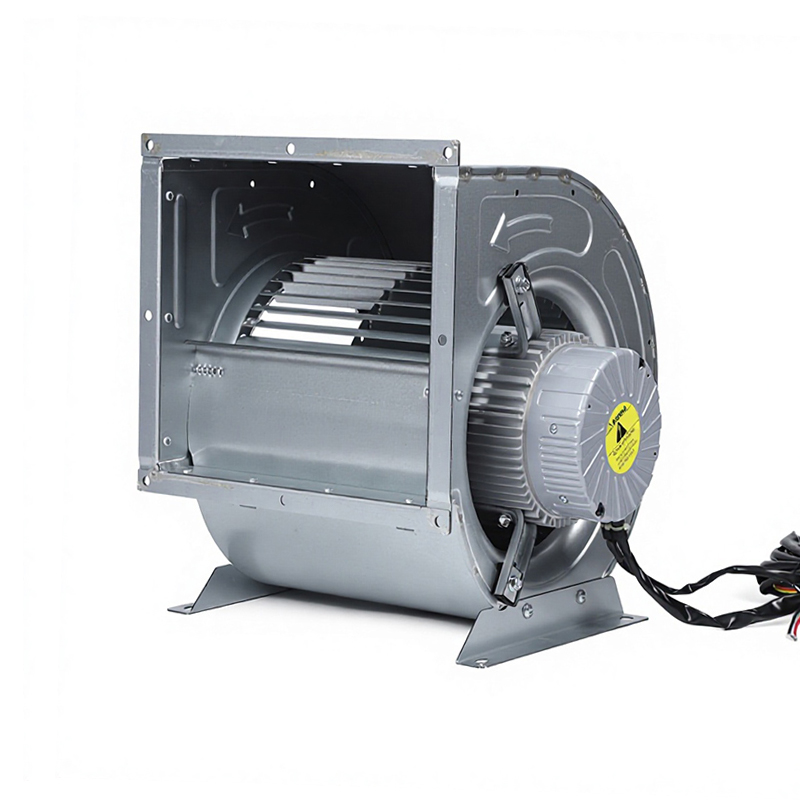
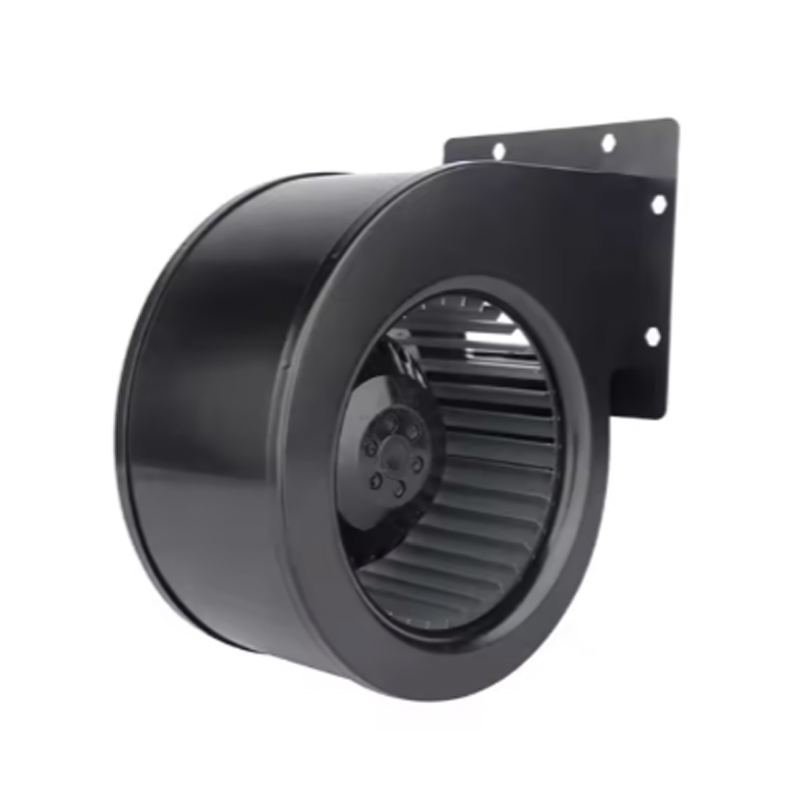
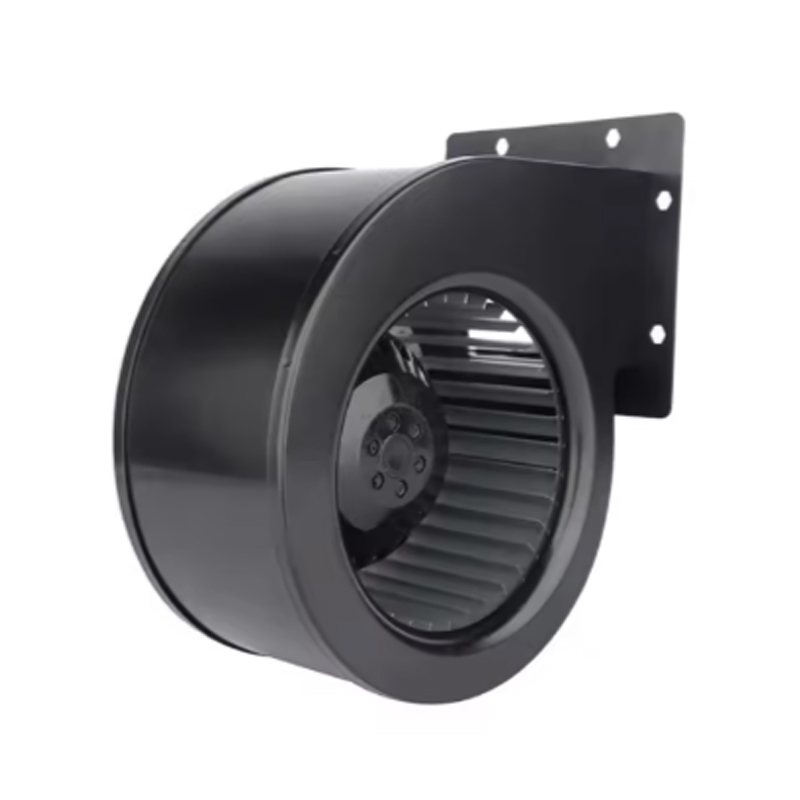
Measure the available space. Centrifugal fans feature high efficiency, low noise, convenient speed regulation and a small structural space, making them ideal for applications like air handling units and HVACR systems. Verify the fan’s dimensions (inlet/outlet size, overall footprint) will fit. Also, check the power supply (voltage, frequency) and control signal type (0-10V, 4-20mA, Modbus) compatibility with your system.
Comparing Fan Types: Forward vs. Backward Curved
The impeller design drastically affects performance. Companies like Yuyao Jiale have rich experience in the research and development and production of forward centrifugal fans and impellers. Here is a comparison to guide your choice.
| Feature | Forward-Curved | Backward-Curved |
|---|---|---|
| Typical Application | Low to medium pressure, high airflow (e.g., fan coils, terminal units) | Medium to high pressure, variable air volume (e.g., air handling units, industrial) |
| Efficiency | Lower (typically 50-65%) | Higher (typically 65-85%) |
| Noise | Generally quieter at lower speeds | Can handle higher speeds, but mid-frequency noise is often lower |
| Power Curve | Overload (power increases with flow) | Non-overloading (power peaks at a point, then decreases) |
For variable air volume systems, a backward-curved fan with a non-overloading power curve is often the most desirable, as it prevents motor overload if the system pressure drops unexpectedly.
Key Specifications and What They Mean
Beyond airflow and pressure, several other specifications are critical for a correct selection.
- Sound Levels (dBA): Manufacturers provide sound data at specific operating points. For noise-sensitive applications like air purification equipment, prioritize fans with lower sone ratings or dBA levels at your target speed.
- Input Power (W) and Current (A): Use this to calculate total energy consumption and ensure your power supply and wiring are adequate. Remember, an EC fan's power draw varies with speed.
- Control Interface: Determine how you will control the fan. Does it require an external potentiometer, a 0-10V DC signal from a Building Management System (BMS), or is it standalone with an integrated speed knob?
- Protection Rating (IP): For installations in dusty or humid environments (like exhaust fans or dehumidification fans), an IP44 or higher rating is necessary to protect the electronics.
The Cost-Benefit Analysis of EC Selection
While EC centrifugal fans often have a higher upfront cost than their AC counterparts, the total cost of ownership is almost always lower. A study on HVAC systems found that the energy savings from EC motors can recoup the initial price premium within 1 to 3 years, depending on run hours and electricity costs. For example, a refrigeration system running 24/7 could save over $200 per year per fan by switching from a shaded-pole AC motor to an EC motor. For OEMs and system designers, these long-term savings are a compelling reason to specify EC technology from reputable manufacturers like Yuyao Jiale, whose integrity, strength and product quality have been highly recognized by the industry. By choosing correctly, you ensure optimal performance, energy compliance, and system reliability for years to come.
 ENG
ENG
