
 English
 Español
Content
- 1 Core Functions of EC Centrifugal Fans
- 2 Energy Efficiency and Cost Savings
- 3 Precision Airflow Control Functions
- 4 High-Pressure Air Movement Capabilities
- 5 Operational Intelligence and Monitoring
- 6 Acoustic Performance and Environmental Function
- 7 Application-Specific Functional Advantages
- 8 FAQ: Common Functional Questions About EC Centrifugal Fans
- 9 Conclusion: Strategic Value of EC Centrifugal Fan Functions
Core Functions of EC Centrifugal Fans
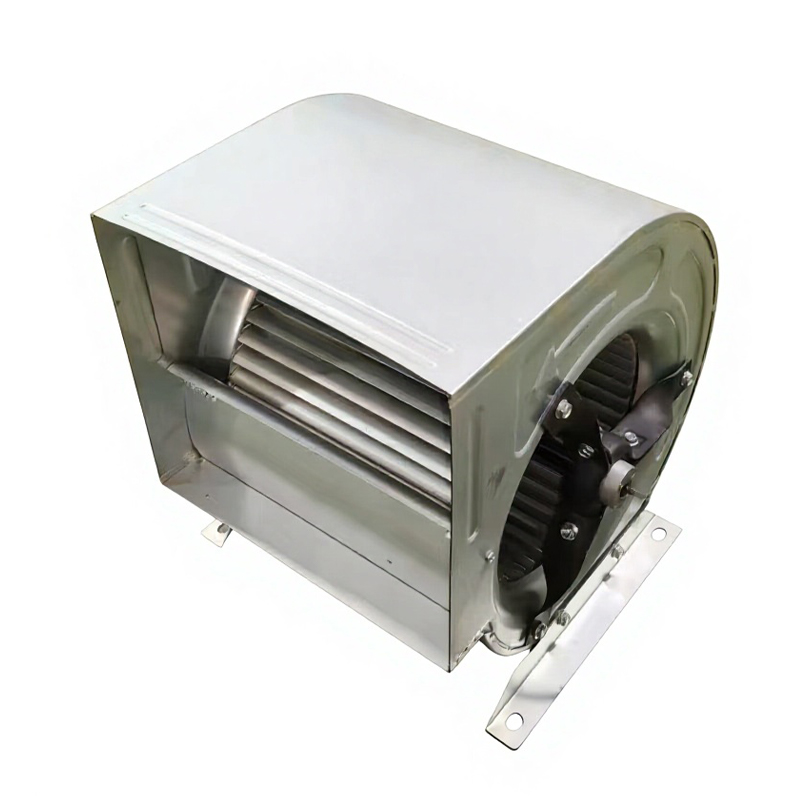
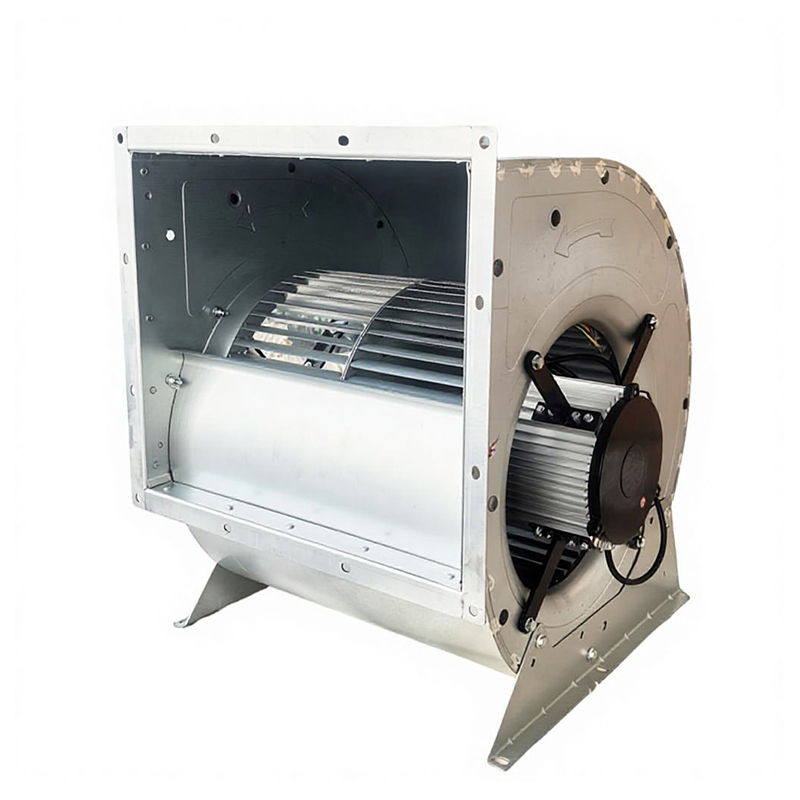
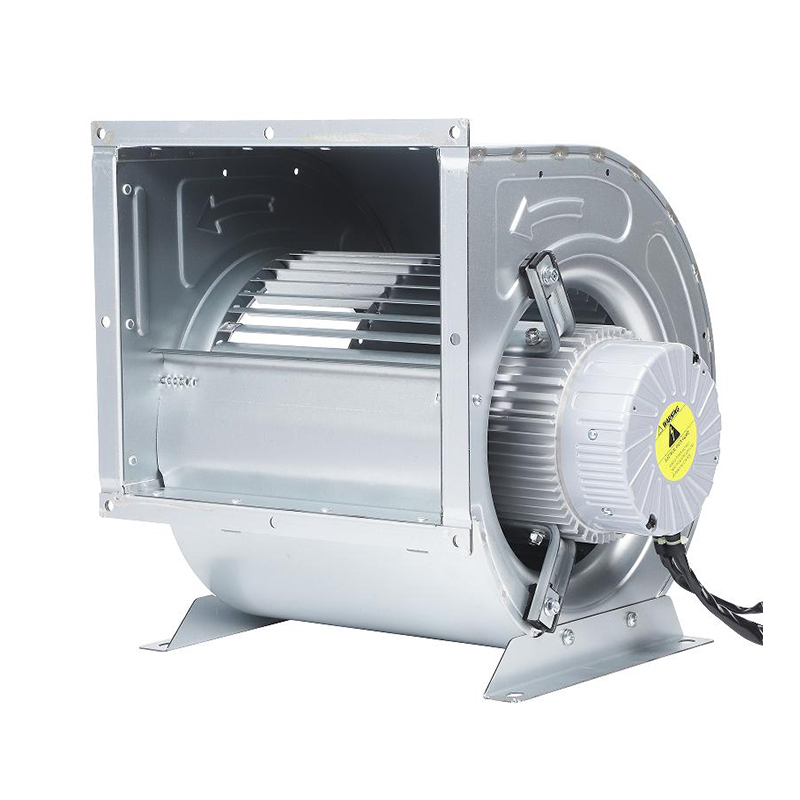
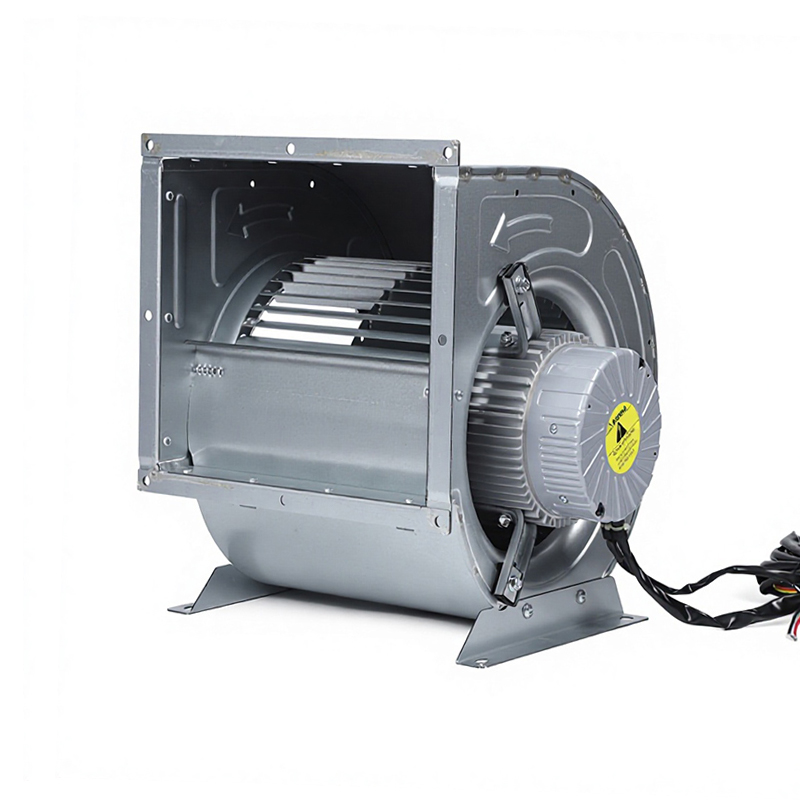
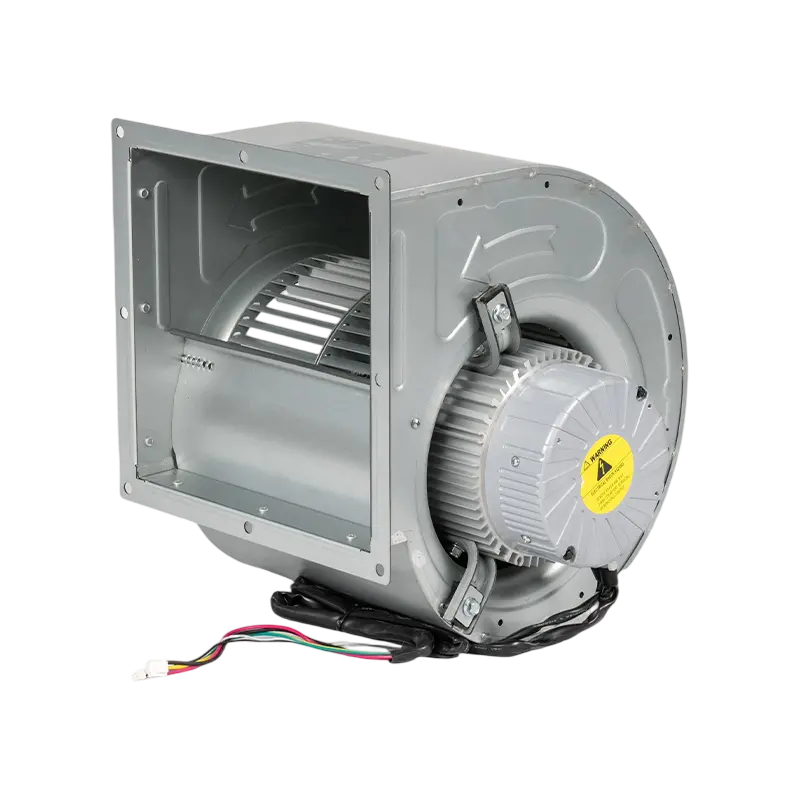
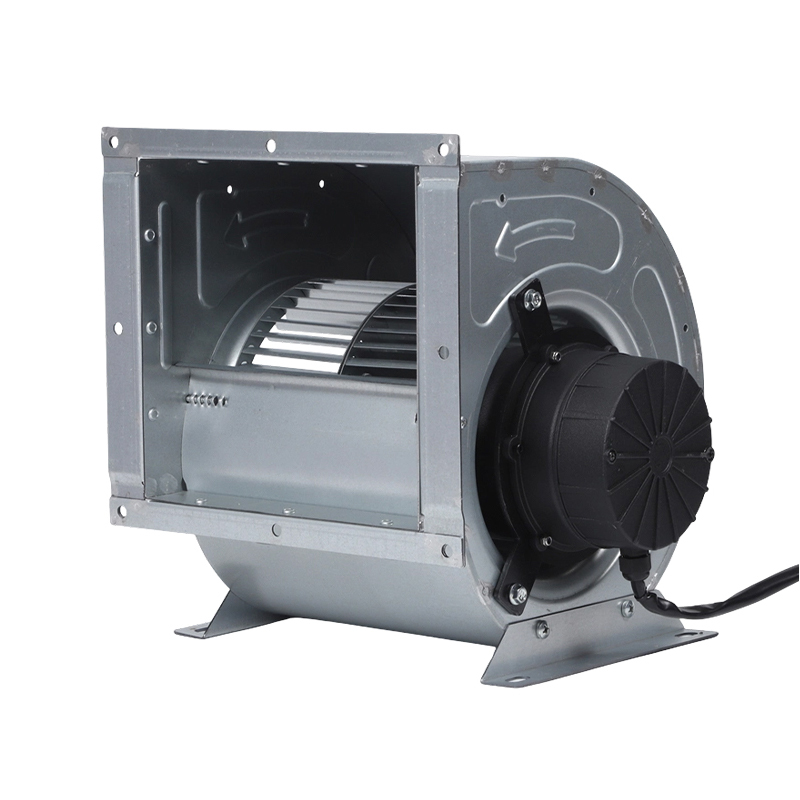
EC (Electronically Commutated) centrifugal fans primarily function to move air efficiently while reducing energy consumption by 30% to 70% compared to traditional AC fans. These fans combine AC power supply convenience with DC motor efficiency, using integrated electronic controllers to optimize performance across variable speed ranges. Their centrifugal design generates high pressure airflow, making them ideal for applications requiring air movement against resistance, such as ductwork, filters, and heat exchangers.
The fundamental functions include: energy-efficient air movement, precise speed control, pressure generation for system resistance, and intelligent operational monitoring. Unlike standard fans that run at fixed speeds, EC centrifugal fans automatically adjust their rotational speed (typically 300–3,000 RPM) to match real-time demand, eliminating energy waste from constant full-speed operation.
Energy Efficiency and Cost Savings
The primary economic function of EC centrifugal fans is reducing operational costs through superior energy conversion efficiency, typically achieving 80–90% efficiency ratings versus 50–60% for conventional AC alternatives. This efficiency stems from permanent magnet motors and electronic commutation that eliminates slip losses inherent in induction motors.
Quantifiable Energy Reduction
In HVAC retrofit projects, facilities report annual energy savings of 1,500–4,000 kWh per fan unit when replacing traditional AC blowers with EC centrifugal models. For a commercial building operating 8,000 hours annually, this translates to electricity cost reductions of $180–$480 per unit at average industrial power rates of $0.12/kWh.
| Operating Condition | AC Fan Power (W) | EC Fan Power (W) | Savings (%) |
|---|---|---|---|
| 100% Load | 450 | 420 | 7% |
| 75% Load | 450 | 180 | 60% |
| 50% Load | 450 | 65 | 85% |
The dramatic efficiency advantage emerges at partial loads, where EC fans reduce power consumption proportionally to speed reduction (following cube law relationships), while AC fans maintain near-constant power draw regardless of demand.
Precision Airflow Control Functions
EC centrifugal fans enable continuous variable speed operation from 10% to 100% of rated capacity without efficiency penalties, functioning as responsive components within intelligent building management systems. This granular control supports demand-based ventilation strategies required by modern energy codes like ASHRAE 90.1.
Integration with Control Systems
Standard EC fans accept 0–10V DC, 4–20mA, or Modbus/ BACnet digital signals for seamless integration. This allows real-time adjustment based on:
- CO₂ concentration sensors (maintaining 400–1,000 ppm indoor levels)
- Temperature differentials across heat exchangers
- Pressure drop measurements in filtration systems
- Occupancy detection systems
In cleanroom applications, EC centrifugal fans maintain constant volume flow within ±2% accuracy despite filter loading changes, ensuring ISO 14644 compliance without manual balancing interventions.
High-Pressure Air Movement Capabilities
The centrifugal impeller design generates static pressures ranging from 50 Pa to 2,500 Pa depending on size and speed, functioning effectively in high-resistance systems where axial fans would stall or fail. This pressure generation capability makes them essential for:
- Ducted ventilation systems with extensive runs or multiple bends
- Air handling units with high-efficiency HEPA filters (creating 150–300 Pa initial resistance)
- Industrial processes requiring extraction through capture hoods and piping
- Heat recovery ventilation with cross-flow or counter-flow exchangers
Backward-curved EC centrifugal fans achieve peak efficiency at 70–85% of maximum pressure, providing stable performance curves that prevent overload conditions common in forward-curved designs.
Operational Intelligence and Monitoring
Modern EC centrifugal fans function as smart nodes within IoT-enabled infrastructure, providing operational data that enables predictive maintenance and performance optimization. Integrated electronics continuously monitor:
- Actual power consumption (reporting accuracy within ±3%)
- Rotational speed and vibration signatures
- Motor temperature (with automatic derating above 60°C)
- Operating hours and start/stop cycle counts
This diagnostic capability reduces maintenance costs by identifying bearing degradation 200–400 operating hours before failure, allowing scheduled replacement rather than emergency repairs. In data center cooling applications, this intelligence prevents thermal shutdowns that could cost $5,000–$10,000 per minute of downtime.
Acoustic Performance and Environmental Function
EC centrifugal fans function as low-noise air movement solutions, typically operating 5–10 dB(A) quieter than equivalent AC fans at comparable duty points. The electronic commutation eliminates mechanical switching noise and brush arcing, while optimized impeller designs reduce turbulent airflow.
Sound Power Level Specifications
Standard EC centrifugal fans in the 200–400mm impeller diameter range generate sound power levels of 45–65 dB(A) at full speed, reducing to 25–35 dB(A) at 50% speed. This makes them suitable for noise-sensitive environments including:
- Hospital patient rooms (requiring NC 25–30 noise criteria)
- Library and classroom ventilation
- Residential heat recovery systems
- Recording studio HVAC
Additionally, the absence of carbon brushes and reduced copper losses means EC fans generate less waste heat, reducing cooling loads in conditioned spaces by 5–8% compared to AC alternatives.
Application-Specific Functional Advantages
Different industries leverage specific EC centrifugal fan functions to solve unique operational challenges:
| Industry | Key Function Utilized | Performance Metric |
|---|---|---|
| Data Centers | Variable speed cooling | PUE reduction 0.05–0.15 |
| Food Processing | Washdown compatibility | IP55–IP66 protection |
| Pharmaceutical | Contamination control | ISO Class 5–8 compliance |
| Rail Transport | Wide voltage operation | DC 24V–110V range |
In refrigeration applications, EC evaporator fans reduce defrost cycles by 15–20% through consistent airflow maintenance, while in drying processes, the precise speed control enables moisture removal rate optimization that improves product quality consistency by 8–12%.
FAQ: Common Functional Questions About EC Centrifugal Fans
How does an EC fan differ functionally from a VFD-controlled AC fan?
While both enable speed variation, EC fans maintain 85%+ efficiency across the entire speed range, whereas VFD-driven AC motors drop to 40–50% efficiency below 50% speed. EC fans also eliminate VFD installation costs ($300–$800 per unit) and associated harmonic distortion issues.
Can EC centrifugal fans function in explosive atmospheres?
Yes, ATEX-certified EC centrifugal fans are available for Zone 1 and Zone 2 hazardous areas, utilizing encapsulated electronics and spark-resistant construction. These models maintain the same efficiency benefits while meeting IEC 60079 safety requirements.
What is the functional lifespan of EC fan electronics?
The integrated electronics are rated for 50,000–80,000 hours of operation at 40°C ambient, matching or exceeding mechanical bearing life. Field data from 2015 installations indicates electronics failure rates below 2% over 10-year periods in standard HVAC applications.
Do EC fans function during power fluctuations?
Standard EC centrifugal fans operate within ±15% voltage variation ranges without performance degradation. Premium models include active power factor correction (PFC) maintaining 0.95+ PF across 85–265V input, ensuring stable function in areas with unstable grid supply.
Conclusion: Strategic Value of EC Centrifugal Fan Functions
The multifunctional capabilities of EC centrifugal fans—combining energy efficiency, intelligent control, high-pressure performance, and operational transparency—position them as essential components in sustainable building design and industrial process optimization. With payback periods of 1–3 years typical in continuous operation applications, and 10–15 year service lifetimes, these fans deliver measurable returns while supporting carbon reduction targets.
When selecting EC centrifugal fans, prioritize models with ERP 2019 compliance or higher efficiency ratings, integrated thermal protection, and communication protocols matching your building automation architecture to maximize functional benefits.
 ENG
ENG
