
 English
 Español
Content
- 1 How Cabinet Structures Solve Three Major Pain Points of Traditional Centrifugal Fans
- 2 Key Performance Parameters and Selection Guide
- 3 Motor Technology Evolution: The Energy Efficiency Leap from Asynchronous to EC Brushless DC
- 4 Maintenance Essentials: Key Strategies to Extend Equipment Lifespan
- 5 Industry Trends: Intelligence and Customization Driving the Next Wave of Growth
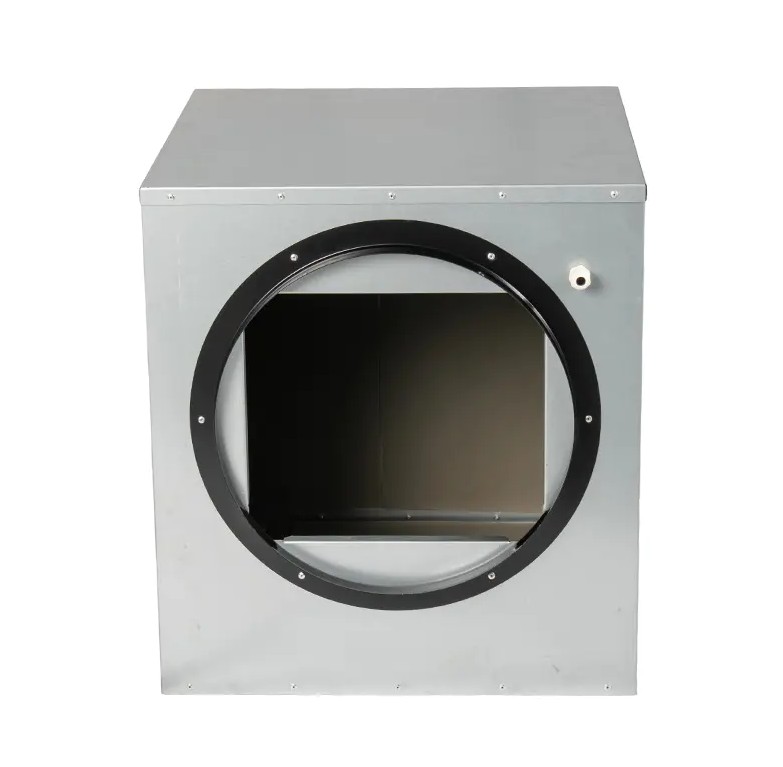
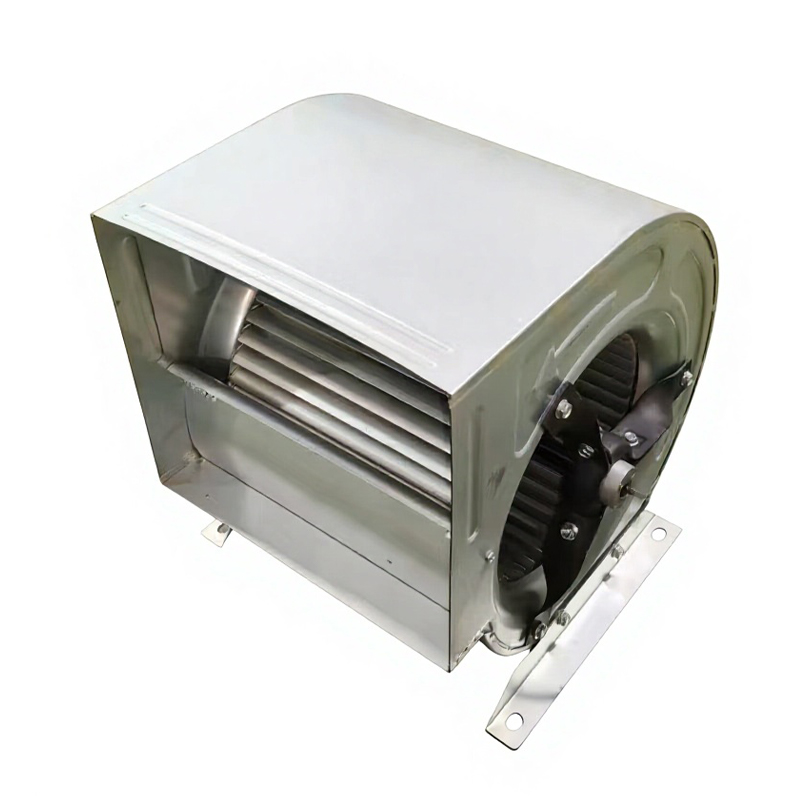
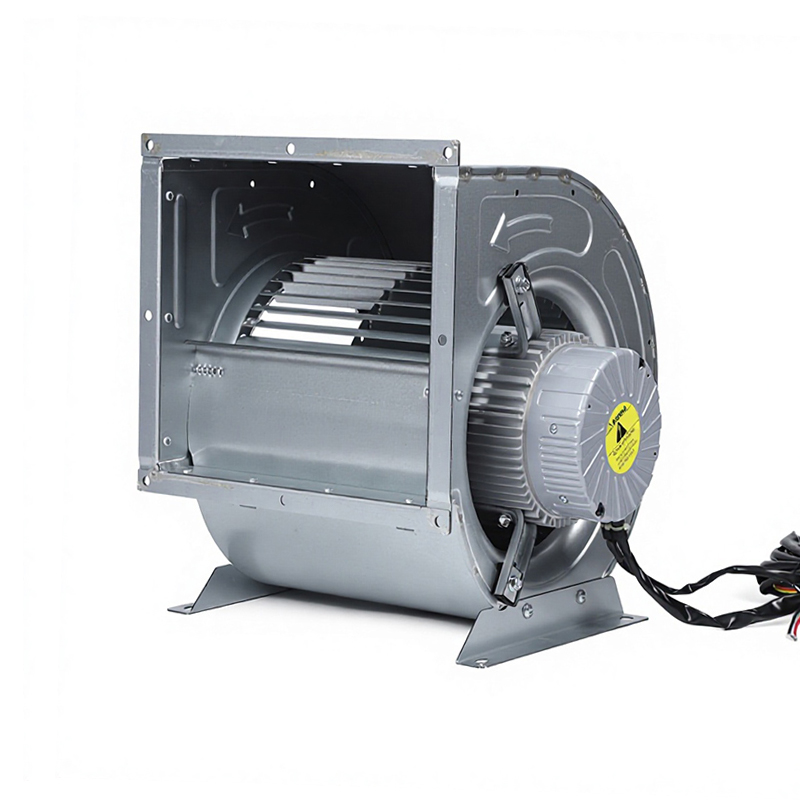
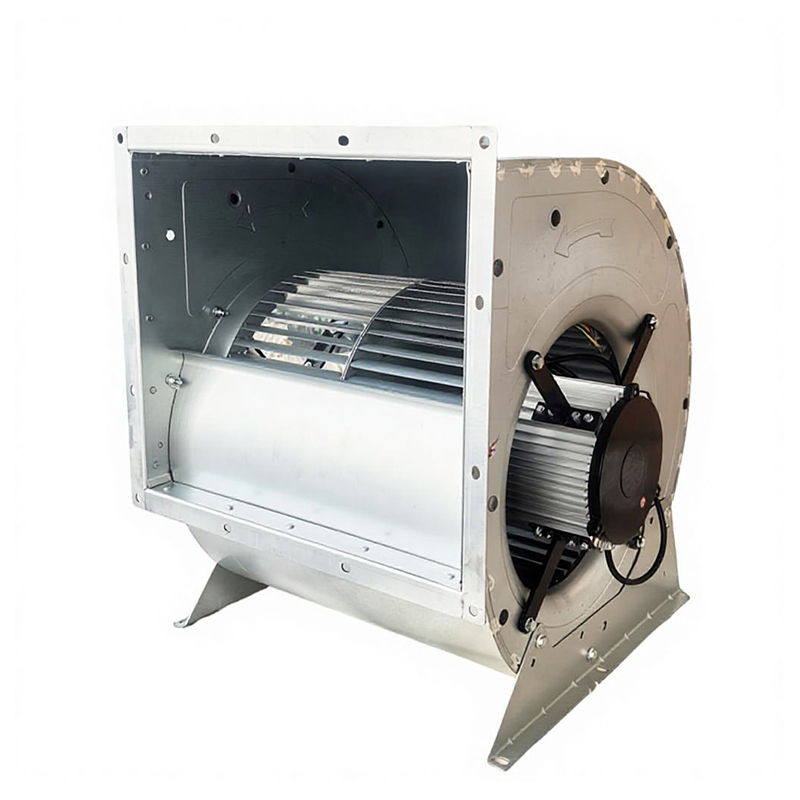
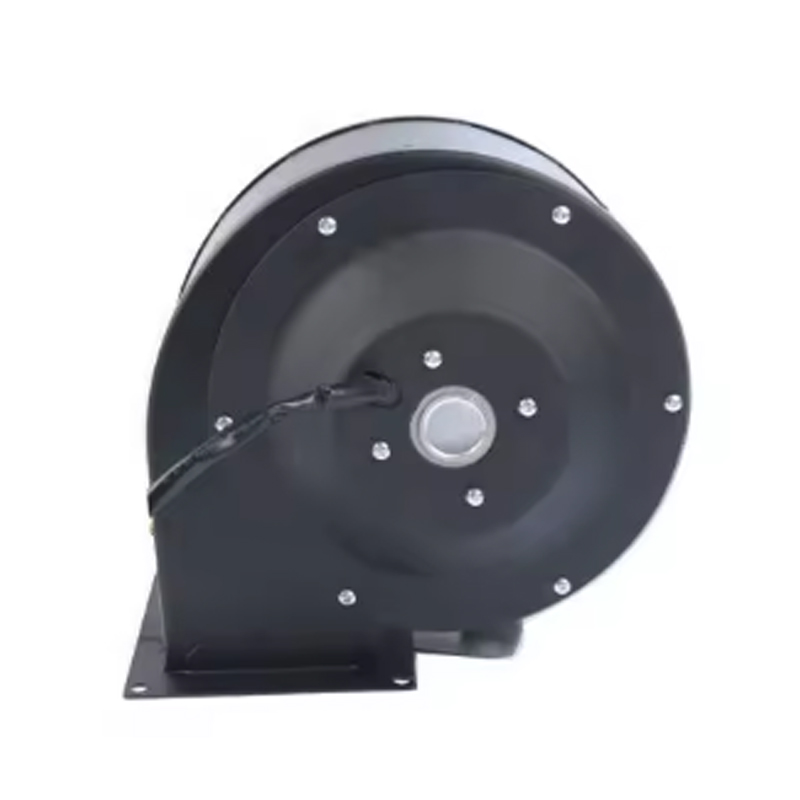
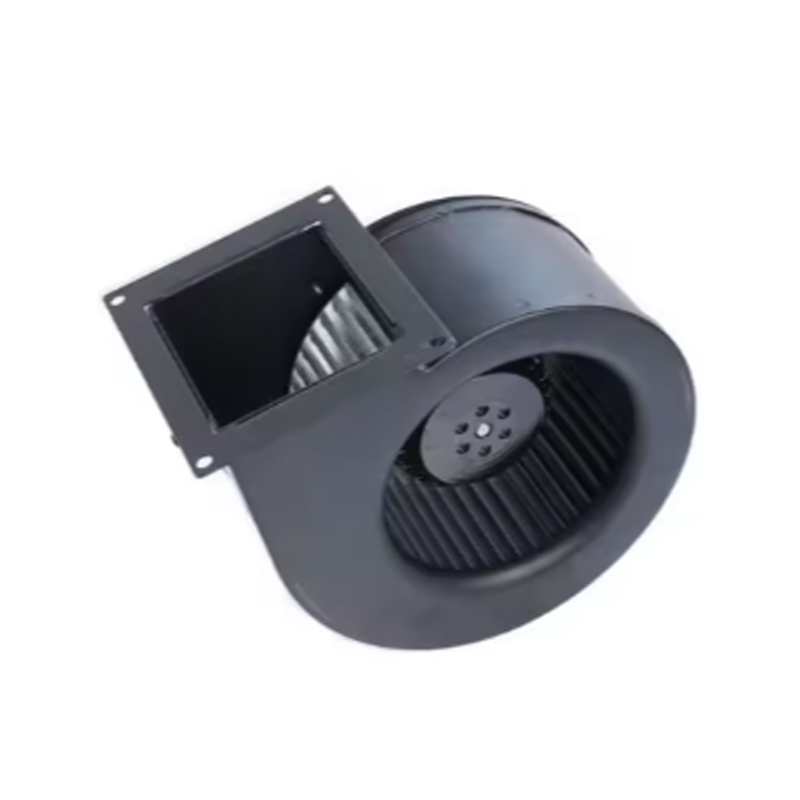
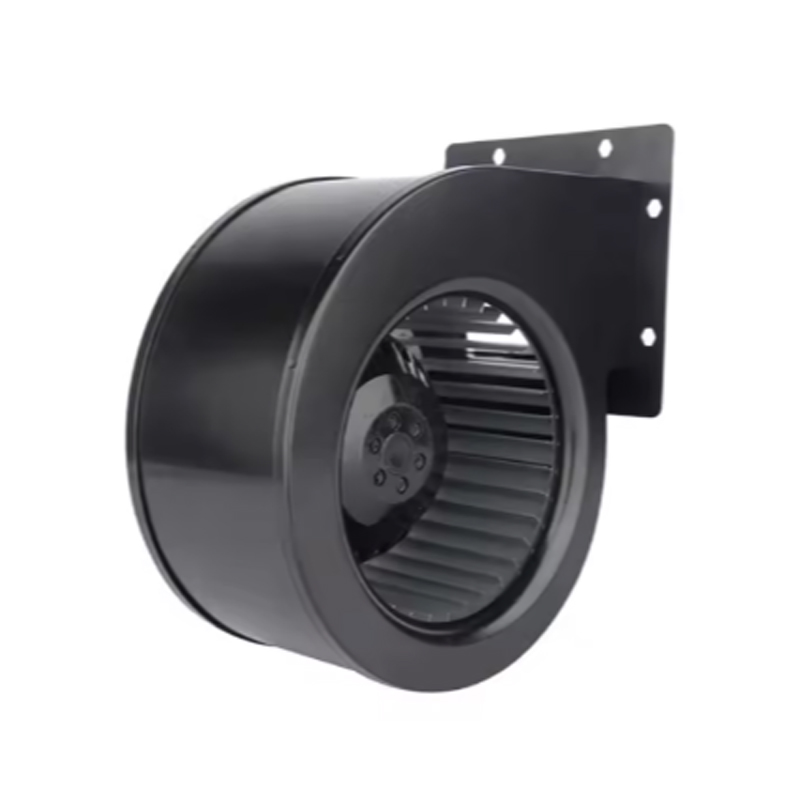
Industrial Cabinet Centrifugal Fans have established themselves as indispensable ventilation equipment in commercial buildings, industrial plants, and HVAC systems, thanks to their compact box-type structure, low-noise operation, and energy efficiency exceeding 85%. Compared to traditional open-frame centrifugal fans, the cabinet design integrates the impeller, motor, and drive components within an enclosed housing, reducing operational noise by 15-20 dB while preventing dust ingress into critical parts and extending service life by over 30%.
Market demand for low-noise, high-airflow equipment continues to grow. According to industry statistics, the global industrial ventilation equipment market surpassed USD 42 billion in 2025, with the cabinet centrifugal fan segment maintaining a compound annual growth rate of approximately 6.8%. Driven by energy-saving policies, cabinet fans equipped with EC (Electronically Commutated) brushless DC motors are rapidly gaining market share.
How Cabinet Structures Solve Three Major Pain Points of Traditional Centrifugal Fans
Noise Control: Bridging the Gap from Industrial to Commercial Grade
Traditional centrifugal fans typically produce noise levels of 75-90 dB due to their open-frame design, making them unsuitable for noise-sensitive environments such as offices, hospitals, and schools. Industrial cabinet centrifugal fans achieve significant noise reduction through the following design features:
- Internal acoustic insulation panels or sound-absorbing cotton to dampen high-frequency airflow noise generated by the impeller
- Optimized impeller blade angles and counts to minimize vortex and turbulence losses
- Low-noise motors combined with vibration-damping bases to block vibration transmission paths
With comprehensive noise-reduction design, premium cabinet centrifugal fans can operate within 30-50 dB, meeting the quiet standards of commercial air conditioning equipment.
Protection Performance: Enclosed Housing Extends Equipment Lifecycle
In industrial environments, dust, oil mist, and corrosive gases are primary causes of fan failure. The fully enclosed galvanized steel or aluminum alloy housing of cabinet fans, combined with filter mesh design, can reduce dust ingress by over 80%. Actual operational data shows that under equivalent conditions, cabinet fans achieve a Mean Time Between Failures (MTBF) of 50,000 hours, compared to 30,000-35,000 hours for traditional open-frame fans.
Installation Flexibility: Modular Design Adapts to Complex Spaces
The cabinet structure supports ceiling-suspended, floor-mounted, and wall-mounted installation methods, with inlet and outlet orientations adjustable according to duct layout. Standard product airflow ranges from 500 m³/h to 50,000 m³/h, with static pressure from 100 Pa to 2,000 Pa, meeting the full spectrum of requirements from small commercial spaces to large industrial facilities.
Key Performance Parameters and Selection Guide
When selecting an industrial cabinet centrifugal fan, four core metrics must be evaluated comprehensively: airflow, static pressure, noise level, and energy efficiency. The following table provides parameter references for typical application scenarios:
| Application Scenario | Recommended Airflow (m³/h) | Recommended Static Pressure (Pa) | Noise Limit (dB) | Motor Type |
|---|---|---|---|---|
| Office Building Fresh Air System | 1,000 - 5,000 | 200 - 500 | < 40 | EC Brushless DC |
| Hospital Operating Room Purification | 3,000 - 10,000 | 500 - 800 | < 45 | EC Brushless DC |
| Shopping Mall Central Air Conditioning | 5,000 - 20,000 | 300 - 700 | < 55 | Single-Phase Direct-Drive AC or EC |
| Industrial Plant Smoke Exhaust Ventilation | 10,000 - 50,000 | 800 - 2,000 | < 75 | Three-Phase Asynchronous Motor |
| Underground Garage Ventilation | 8,000 - 30,000 | 400 - 1,000 | < 65 | Single-Phase Direct-Drive AC or EC |
A critical selection note: airflow and static pressure are inversely related. As system duct resistance increases, actual output airflow decreases. It is recommended to add a 10-15% margin to the calculated required airflow to account for resistance increases caused by filter dust accumulation.
Motor Technology Evolution: The Energy Efficiency Leap from Asynchronous to EC Brushless DC
The motor is the core component of an industrial cabinet centrifugal fan, directly determining energy efficiency and operating costs. Current mainstream motor technologies on the market can be categorized into three generations:
Energy Efficiency Comparison Across Three Generations of Motor Technology
- Traditional Three-Phase Asynchronous Motor: Efficiency approximately 75-82%, simple structure, low cost, but speed regulation requires external VFD, larger footprint. Suitable for industrial scenarios where cost sensitivity is high and frequent speed adjustment is unnecessary.
- Single-Phase Direct-Drive AC Motor: Efficiency approximately 70-78%, can be directly connected to mains power, easy installation, commonly used in small-to-medium commercial equipment. However, speed regulation range is limited, and efficiency drops significantly at low speeds.
- EC Brushless DC Motor: Efficiency as high as 85-92%, with built-in electronic commutation and intelligent speed control modules, maintaining high efficiency across 0-100% speed range while reducing noise by 20-30%. Although initial investment is higher, the energy-saving payback period typically does not exceed 2.5 years.
Taking a cabinet centrifugal fan with a rated power of 5.5 kW operating 6,000 hours per year as an example, adopting an EC motor instead of a traditional asynchronous motor can save 2,400-3,600 kWh annually. Based on industrial electricity rates, annual electricity cost savings amount to approximately USD 250-380. For continuously operating data centers or cleanrooms, the energy-saving benefits are even more pronounced.
Maintenance Essentials: Key Strategies to Extend Equipment Lifespan
Maintenance costs for industrial cabinet centrifugal fans account for approximately 15-20% of total lifecycle costs. Scientific maintenance strategies can significantly reduce failure rates and downtime losses. The following recommendations are based on equipment operating characteristics:
Scheduled Maintenance Items and Cycles
- Monthly Inspection: Clean inlet and outlet filters, check housing seal integrity, listen for abnormal operating noise
- Quarterly Maintenance: Inspect motor bearing lubrication, tighten housing bolts and duct connections, measure motor insulation resistance (should exceed 0.5 MΩ)
- Annual Overhaul: Disassemble and clean impeller and internal housing dust, replace aged seals, calibrate belt tension (for belt-driven models), apply anti-corrosion treatment to metal housing
Common Fault Early Warning Indicators
Maintenance personnel should pay close attention to the following abnormal signals:
- Operating noise suddenly increases by over 5 dB: Possible causes include uneven dust accumulation on the impeller or bearing wear
- Motor surface temperature exceeds 75°C: Indicates poor heat dissipation or abnormal load
- Airflow drops by over 10%: Check filter clogging level or impeller wear condition
- Vibration amplitude exceeds standard: Base damping pad aging or impeller dynamic balance failure
For intelligent cabinet fans equipped with EC motors, it is recommended to utilize built-in RS485 or BACnet communication interfaces to connect with Building Automation Systems (BAS) for remote monitoring and predictive maintenance, which can reduce unplanned downtime by over 40%.
Industry Trends: Intelligence and Customization Driving the Next Wave of Growth
The industrial cabinet centrifugal fan industry is undergoing a transformation from standardized products to intelligent, customized solutions. The following trends deserve attention from industry professionals:
IoT Integration and Digital Twins
New-generation cabinet fans are generally equipped with sensor arrays that collect vibration, temperature, current, and airflow data in real time. Through edge computing and cloud analytics, fault prediction 7-14 days in advance can be achieved. Some leading manufacturers have begun offering digital twin-based remote commissioning services, reducing on-site installation and debugging time by 50%.
Non-Standard Customization as a Core Competency
As building space designs become increasingly complex, standard product dimensions often fail to match on-site conditions. Manufacturers with flexible structural design capabilities can produce customized units based on customer-provided space dimensions, airflow, and static pressure parameters. The share of custom orders in total industrial cabinet centrifugal fan orders has risen from 12% in 2019 to 28% in 2025, and is projected to exceed 40% by 2030.
Material Upgrades and Lightweight Design
Aluminum alloy and stainless steel composite housings are replacing traditional galvanized steel, reducing overall unit weight by 20-25% while maintaining structural strength, facilitating hoisting and transportation. For impellers, aerospace-grade aluminum alloy one-piece molding technology is gradually becoming mainstream, improving aerodynamic efficiency by 5-8% compared to traditional welded impellers while eliminating long-term deformation issues caused by welding stress.
 ENG
ENG
