
 English
 Español
Content
Heavy-duty brushless AC centrifugal fans are becoming the go-to high-reliability solution for industrial ventilation and HVAC applications. Their core value lies in combining the long lifespan and low-maintenance characteristics of brushless motors with the plug-and-play convenience of AC power supply. While retaining the robust structural advantages of traditional AC fans, they deliver significant improvements in efficiency and controllability. The global centrifugal fan market is projected to grow from USD 4.67 billion in 2024 to USD 5.65 billion by 2032, with industrial and commercial HVAC systems remaining the largest demand segment, while brushless technology and intelligence represent the clear direction of technological evolution.
Technical Definition and Core Advantages of Brushless AC Centrifugal Fans
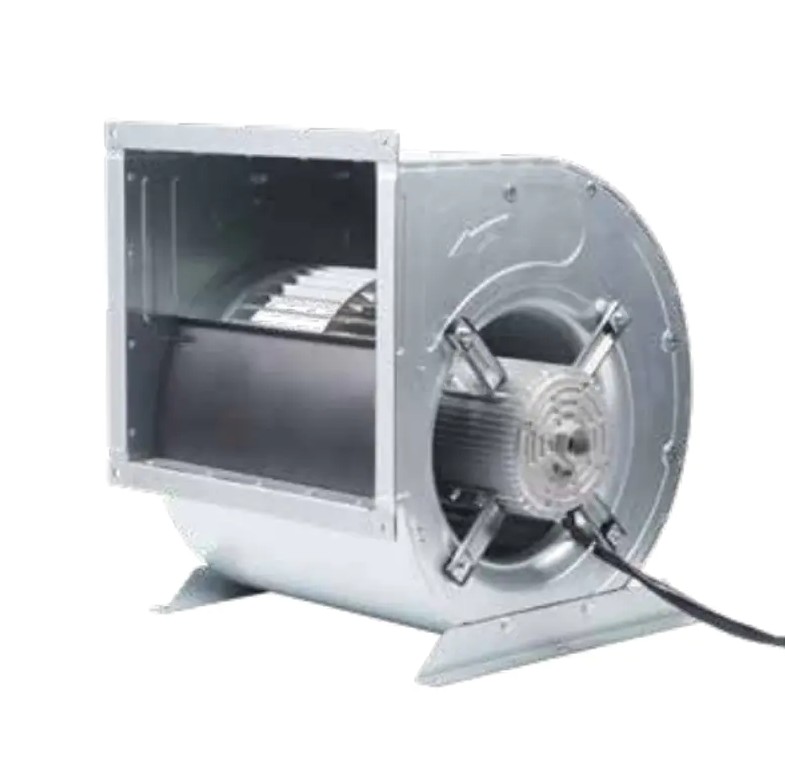
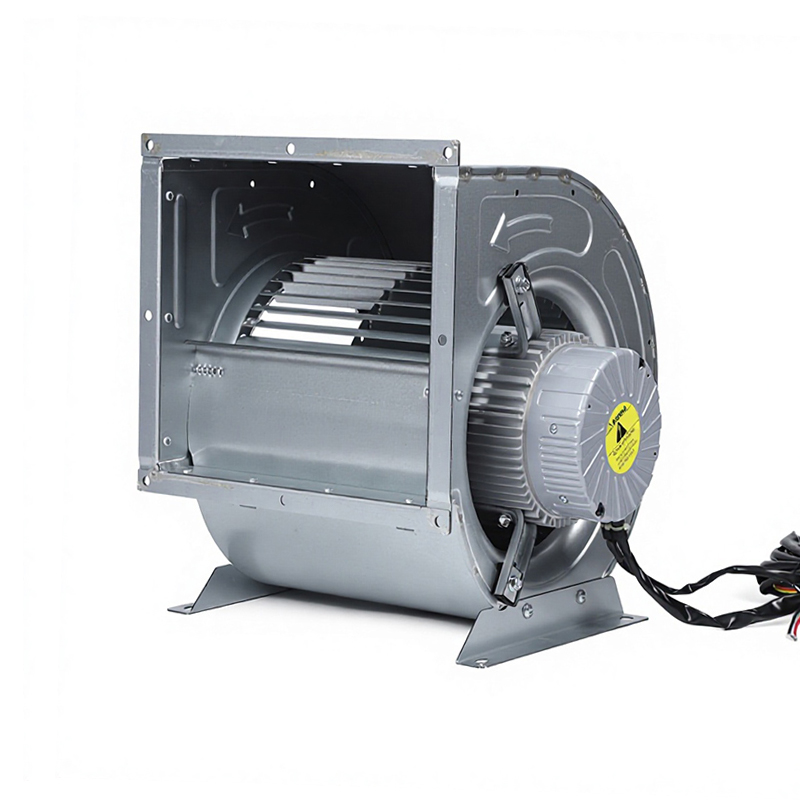
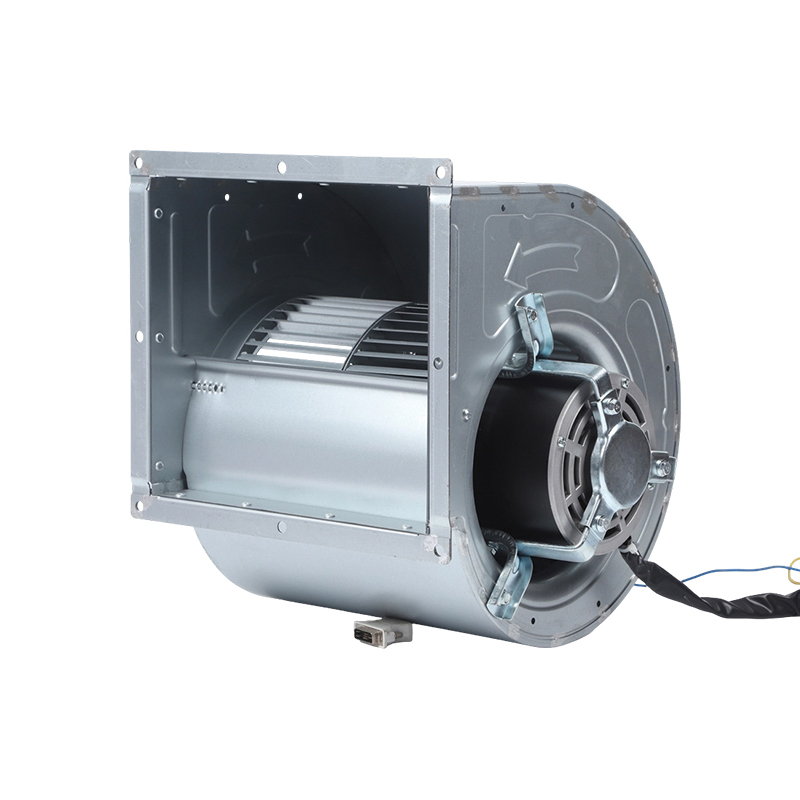
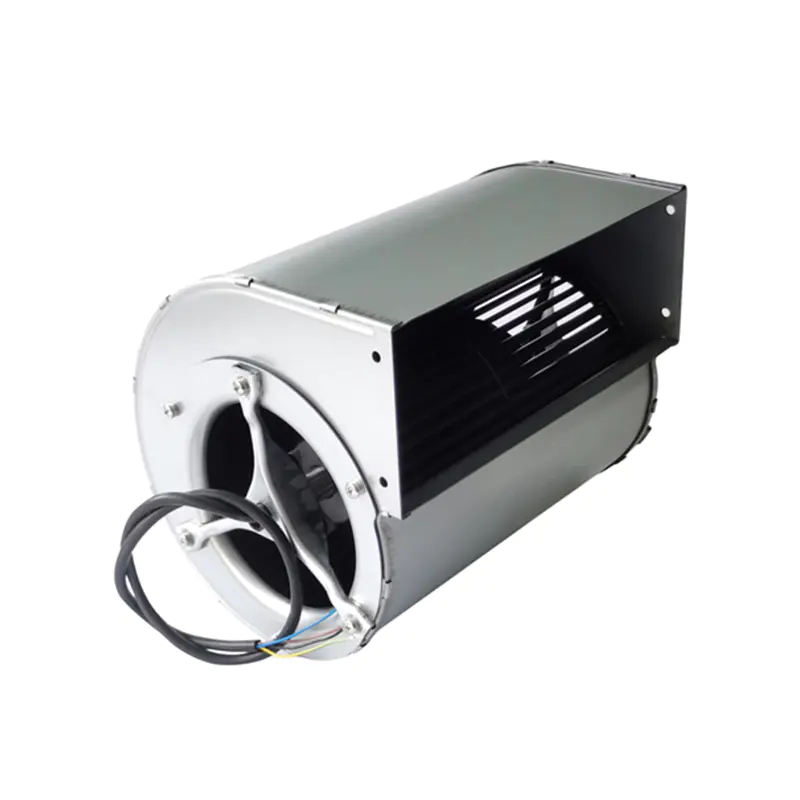
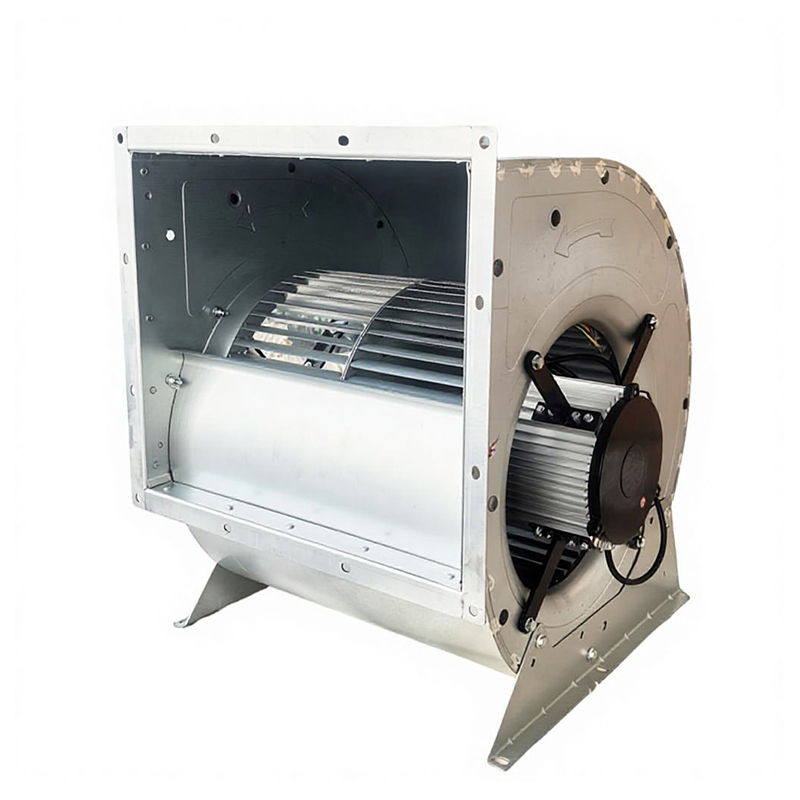
A heavy-duty brushless AC centrifugal fan is a radial ventilation device that employs brushless DC (BLDC) motor technology but connects directly to the AC grid through internal electronic commutation circuits. It preserves the classic aerodynamic structure of centrifugal fans—radial discharge and high static pressure output—while eliminating the maintenance pain points caused by carbon brush wear in traditional brushed motors.
Structural Ruggedness and Operational Reliability
"Heavy-duty" means these fans feature reinforced volutes, thick-plate metal impellers, and industrial-grade bearing systems, capable of withstanding 24/7 continuous operation and harsh conditions. The brushless design eliminates mechanical commutation contact, giving motor lifespans typically exceeding 50,000 hours—far surpassing the 8,000 to 15,000 hours of brushed motors. For applications such as mine ventilation, chemical exhaust, and boiler combustion air with minimal maintenance windows, this characteristic directly reduces downtime risk.
Efficiency Performance and Energy Consumption Data
In terms of efficiency, brushless AC centrifugal fans typically operate in the 80% to 90% range, while conventional AC induction motor-driven centrifugal fans generally achieve only 50% to 70%. For a 2kW rated fan running 4,000 hours annually, the brushless solution can save approximately 2,673 kWh compared to a traditional AC counterpart—equivalent to reducing about 1.2 tons of CO₂ emissions.
Key Application Scenarios and Selection Logic
Selecting a heavy-duty brushless AC centrifugal fan requires matching the specific static pressure requirements, media characteristics, and operating duration of the target application. The following outlines its application features across four core sectors:
- Industrial Ventilation and Dust Removal: Handling dust-laden or corrosive gases requires fans with high static pressure (typically 800 Pa to 2,500 Pa) and wear-resistant coatings
- Commercial Building HVAC: In variable air volume (VAV) systems, stepless speed control via 0-10V or PWM signals is needed to meet ASHRAE 90.1-2019 energy compliance requirements
- Data Center Cooling: High airflow, medium static pressure scenarios demand fans that maintain high efficiency at partial loads to reduce PUE values
- New Energy Equipment: Such as energy storage system thermal management and EV charging station cooling, requiring wide voltage input and high protection ratings (IP54 and above)
Impeller Type as the Decisive Factor for Performance
The geometry of a centrifugal fan impeller directly determines its pressure-flow curve. Backward-curved blades offer the highest efficiency and lowest noise, making them ideal for efficient continuous operation; forward-curved blades feature compact structure and high power density, suitable for space-constrained installations; radial blades excel at handling particulate-laden media without clogging.
Brushless AC vs Traditional AC vs EC Fans: Technical Comparison
In industrial procurement decisions, understanding the differences among three mainstream technologies is critical. The following table provides a quantitative comparison across four dimensions: efficiency, control, maintenance, and applicable scenarios:
| Comparison Dimension | Traditional AC Centrifugal Fan | Brushless AC Centrifugal Fan | EC Centrifugal Fan |
|---|---|---|---|
| Typical Efficiency | 50% - 70% | 80% - 90% | 80% - 90% |
| Speed Control | Requires external VFD | Built-in electronic speed control | Built-in intelligent control (0-10V/PWM/Modbus) |
| Maintenance Needs | Moderate (bearing, winding inspection) | Low (no brush wear) | Very low (electronics are primary concern) |
| Initial Cost | Low | Medium | Higher |
| Best Application | Fixed speed, budget-sensitive industrial projects | Industrial sites requiring reliability, efficiency, and AC grid direct connection | VAV systems, data centers, smart buildings |
From a total cost of ownership (TCO) perspective, although a 2kW brushless fan carries an initial procurement cost approximately 20% to 40% higher than a traditional AC fan, it achieves an investment payback period typically within 1 to 2 years thanks to annual electricity savings of roughly USD 350.
Regulatory Drivers and Energy Compliance Requirements
Increasingly stringent energy efficiency regulations worldwide are accelerating the penetration of brushless technology. The U.S. ASHRAE 90.1-2019 standard introduced the Fan Efficiency Index (FEI), requiring commercial building fans to maintain an FEI value of at least 1.0. Test data shows that backward-curved centrifugal fans with brushless direct-drive technology typically achieve FEI values of 1.05 to 1.25 at design operating points, while traditional belt-drive configurations often only reach 0.95 to 1.10, presenting significantly higher compliance risk.
EU Ecodesign Directive and ErP Regulations
The EU mandates energy efficiency grading for ventilation equipment through the Ecodesign Directive, driving the market toward high-efficiency motors and optimized impeller designs. Brushless AC centrifugal fans, with their ability to maintain high efficiency across a wide load range, are better positioned to meet the annual energy consumption limits of ErP (Energy-related Products) regulations. This regulatory environment makes the EU one of the fastest-growing regions globally for centrifugal fan technology upgrades, with a projected CAGR of 11.0%.
Market Trends and Procurement Recommendations
The global cooling fan market is projected to grow from USD 11.86 billion in 2026 to USD 33.06 billion by 2036, representing a compound annual growth rate of 10.8%. Demand for heavy-duty centrifugal fans in the industrial and HVAC sectors is driven by: increasing heat dissipation pressure from data center densification, process ventilation needs in EV manufacturing facilities, and continued post-pandemic focus on indoor air quality (IAQ).
Procurement Decision Checklist
- Define system static pressure and airflow requirements: Centrifugal fans significantly outperform axial fans in environments above 400 Pa static pressure
- Evaluate operating duration: Projects running more than 2,000 hours annually should prioritize brushless solutions for TCO advantages
- Confirm speed control interface needs: If integration with building automation systems (BAS) is required, prioritize models supporting 0-10V or Modbus
- Verify compliance certifications: Ensure products carry target market energy efficiency certifications (e.g., CE, UL, AMCA)
- Assess protection ratings: Outdoor or humid environments should select IP55 and above, and confirm volute material corrosion resistance
In summary, heavy-duty brushless AC centrifugal fans are not merely a "version upgrade" but a systematically optimized solution for industrial continuous-operation scenarios. Against the dual backdrop of tightening energy efficiency regulations and rising labor costs, their characteristics of low maintenance, high efficiency, and wide speed control range make them a category worthy of priority evaluation on current industrial ventilation equipment procurement lists.
 ENG
ENG
