
 English
 Español
Content
- 1 Start with the Bearing, Not the Blades
- 2 Sleeve Bearing vs Ball Bearing: How They Work
- 3 Sleeve Bearing vs Ball Bearing: Side-by-Side Comparison
- 4 Noise: Sleeve Bearings Win Early, Ball Bearings Stay Consistent
- 5 Lifespan and Reliability: Ball Bearings Are Built to Last
- 6 Cost and Application Fit: What Should You Optimize For?
- 7 How to Choose: A Simple Decision Path
- 8 Frequently Asked Questions
- 9 Final Takeaway
Start with the Bearing, Not the Blades
A compact centrifugal fan can pass its factory vibration test and still develop a grinding, growling noise after a few months in a customer's air handling unit. The usual culprit is not an unbalanced impeller or a failing motor winding; it is the bearing. That small component determines much of your fan's acoustic signature, service life, and warranty risk.
Here is the conclusion before we dig into details: for most fan applications, sleeve bearings are cheaper and quieter at first, while ball bearings are more durable, more tolerant of mounting angle, and better suited to continuous duty and higher temperatures. Neither type is universally "better"; the right choice depends on your operating profile and cost target.
Sleeve Bearing vs Ball Bearing: How They Work
The difference between the two designs comes down to contact type and lubrication philosophy.
Sleeve bearings use a sliding oil film
A sleeve bearing is a cylindrical bushing, usually made from porous bronze or sintered iron, that is impregnated with oil. The motor shaft rotates directly inside the bushing, and the thin oil film prevents metal-to-metal contact. Sleeve bearings are compact, quiet, and low-cost, which is why they appear in many small household and light commercial fans.
Ball bearings use rolling elements
A ball bearing places hardened steel balls between an inner race and an outer race. Because the load is transferred through rolling elements rather than a sliding film, friction is lower at startup. The design also handles radial and axial forces more predictably, and it can be lubricated with grease for a much longer service life.
If you are evaluating actual fan hardware, this distinction matters more than any single specification. A fan designed for a sleeve bearing has a different housing bore, shaft finish, and retention system than one designed for a ball bearing.
Sleeve Bearing vs Ball Bearing: Side-by-Side Comparison
The table below summarizes the typical behavior of both bearing types in small to mid-sized centrifugal fan applications. Actual values vary with fan quality, load, speed, and operating temperature.
| Parameter | Sleeve Bearing | Ball Bearing |
|---|---|---|
| Initial noise | Quieter, particularly at low speed | Slightly higher rolling noise |
| Noise over time | Can increase as oil film degrades | More stable |
| Typical life | 10,000 - 30,000 hours | 30,000 - 70,000 hours |
| Cost | Lower material and assembly cost | Higher premium, lower service risk |
| Mounting orientation | Usually sensitive; horizontal preferred | Works in any orientation |
| Operating temperature | Limited by oil evaporation | Better resistance with suitable grease |
| High-speed capability | Moderate | Good to excellent |
Use the table as a screening tool, not as a substitute for testing your actual duty cycle.
Noise: Sleeve Bearings Win Early, Ball Bearings Stay Consistent
Because a sleeve bearing relies on a sliding oil film, there are no hard steel elements clicking against each other. In a brand-new fan, the difference can be audible: a sleeve-bearing unit may measure 2 - 5 dBA quieter than a comparable ball-bearing unit, which is enough to notice in an office or residential setting.
The caveat is aging. As the oil film thins or the bushing wears, sleeve-bearing noise gradually increases. Ball bearings produce a steady rolling tone from day one, but they hold that level for much longer. If your project prioritizes the sound at end of warranty rather than the sound at the sample stage, ball bearings often look more attractive.
Lifespan and Reliability: Ball Bearings Are Built to Last
Continuous operation is where ball bearings separate themselves. In HVAC duty, where a fan may run 8,000 - 8,760 hours per year, sleeve bearings typically survive 1 - 3 years, while quality ball bearings can reach 3 - 6 years before replacement is necessary. That difference has direct consequences for maintenance access, spare parts, and customer satisfaction.
Indicative life comparison for continuous-duty fans (longer bar = better)
Sleeve bearings also lose oil faster in hot environments. Every 10 °C increase in ambient temperature roughly shortens grease or oil life, so in high-static-pressure housings or enclosure-mounted fans, a ball bearing is usually the safer engineering call.
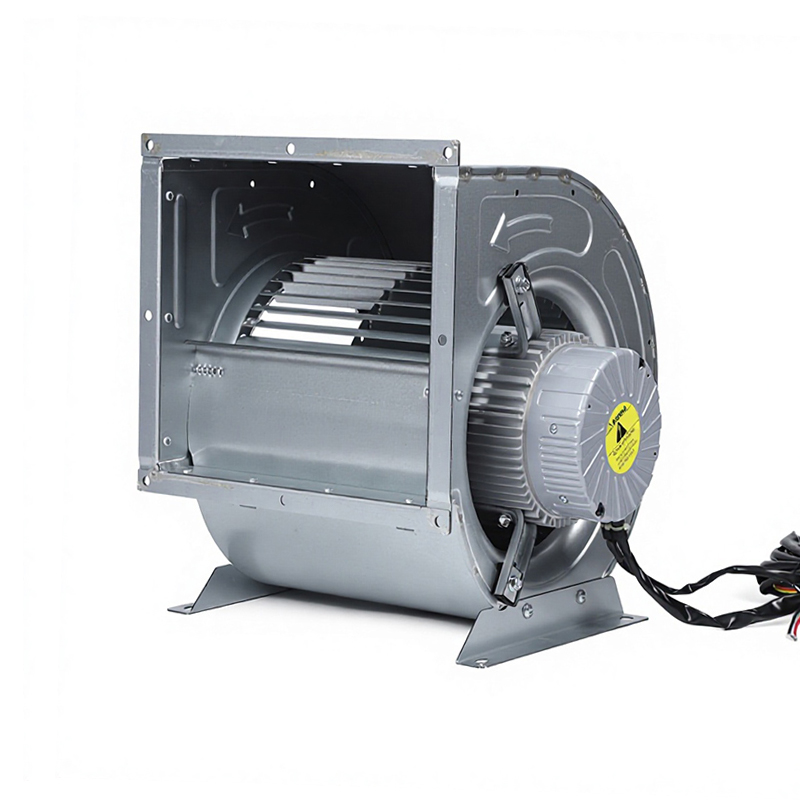
For equipment that must run near continuously, it is worth comparing platforms designed for rugged duty, such as our heavy-duty AC centrifugal fans, rather than adapting a consumer-grade motor assembly.
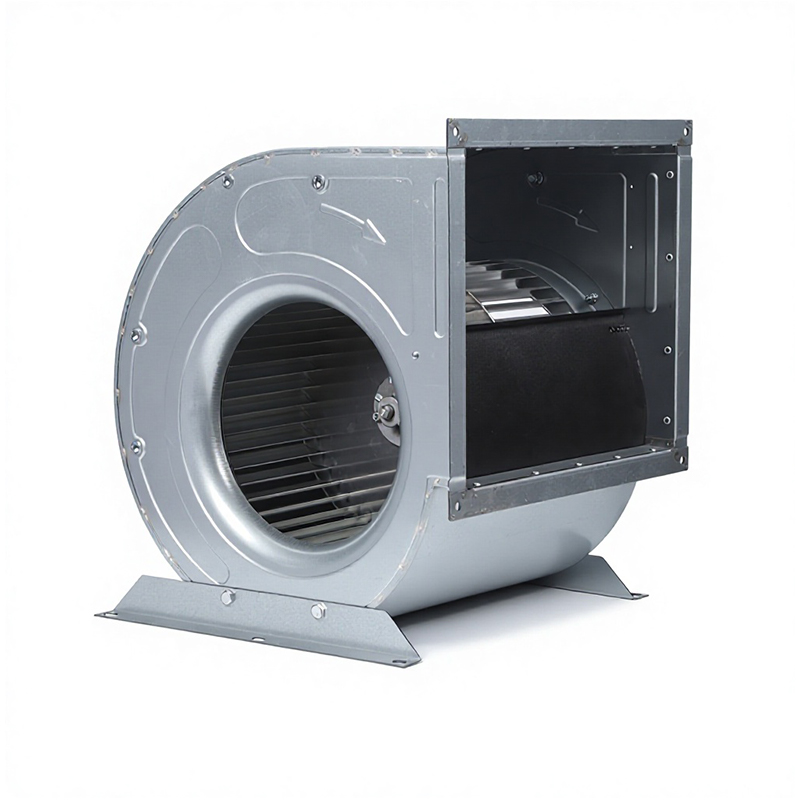 Lkz 12-12-900w Heavy-duty Brushless Ac Centrifugal Fans Supplier, Custom FactoryYuyao Jiale Ventilation Equipment Co., Ltd is China OEM LKZ 12-12-900W heavy-duty brushless AC centrifugal fans supplier and factory, we ...View Product →
Cost and Application Fit: What Should You Optimize For?
Sleeve-bearing fans can be 15 - 30% cheaper at the component level for the same airflow specification, which matters when you scale to thousands of units. Ball-bearing fans carry a price premium, but they can reduce warranty claims and field service visits.
Budget-driven selection
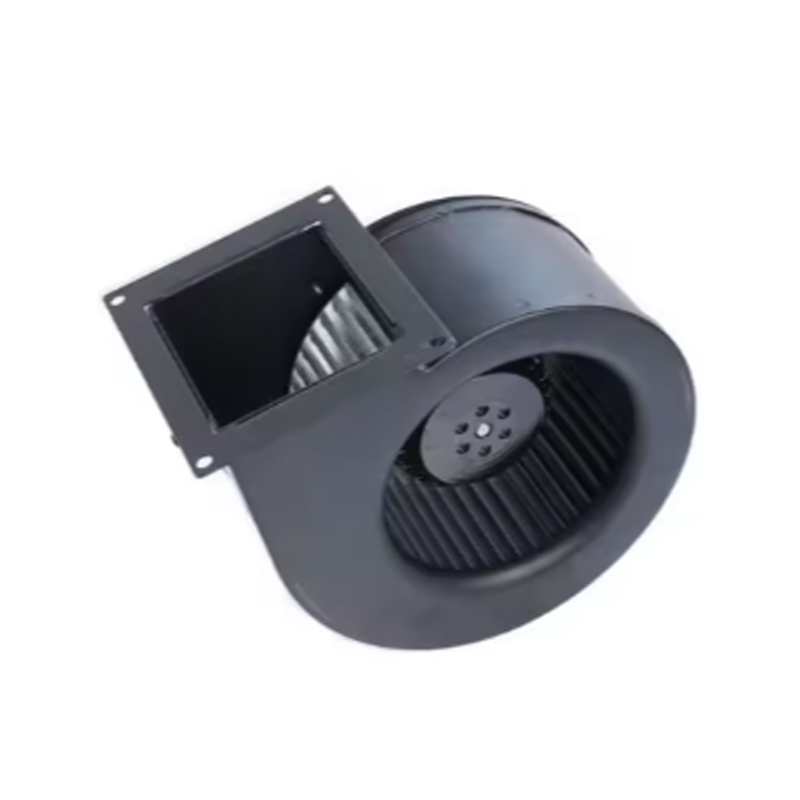
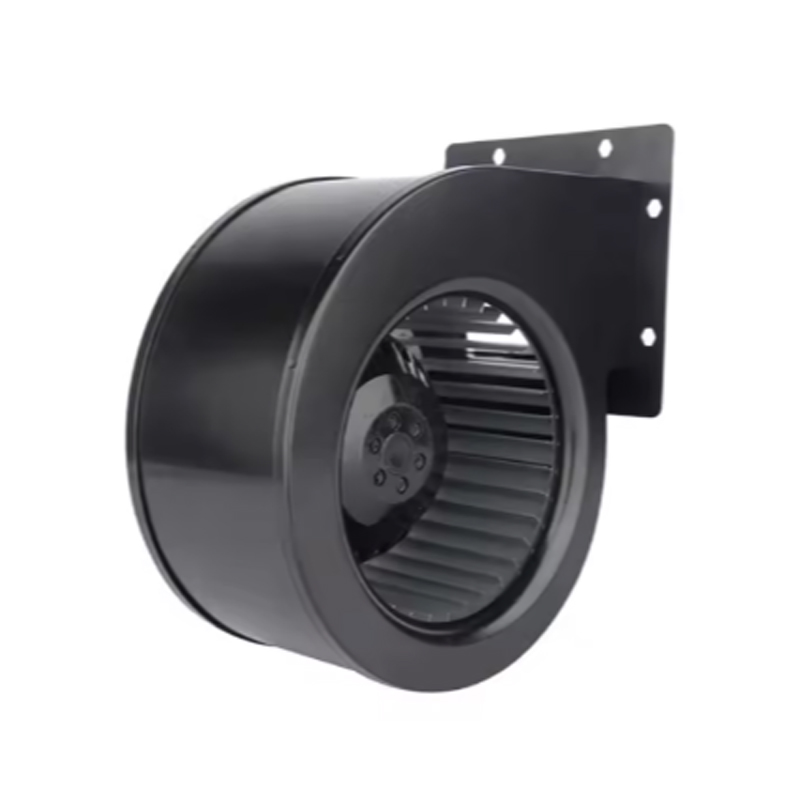
For compact fans in heating appliances, refrigeration units, or small filters, a sleeve-bearing motor keeps the bill of materials low. External-rotor mini-size centrifugal fans are a typical example in this category, and they are widely used in products with a design life of one to three years.
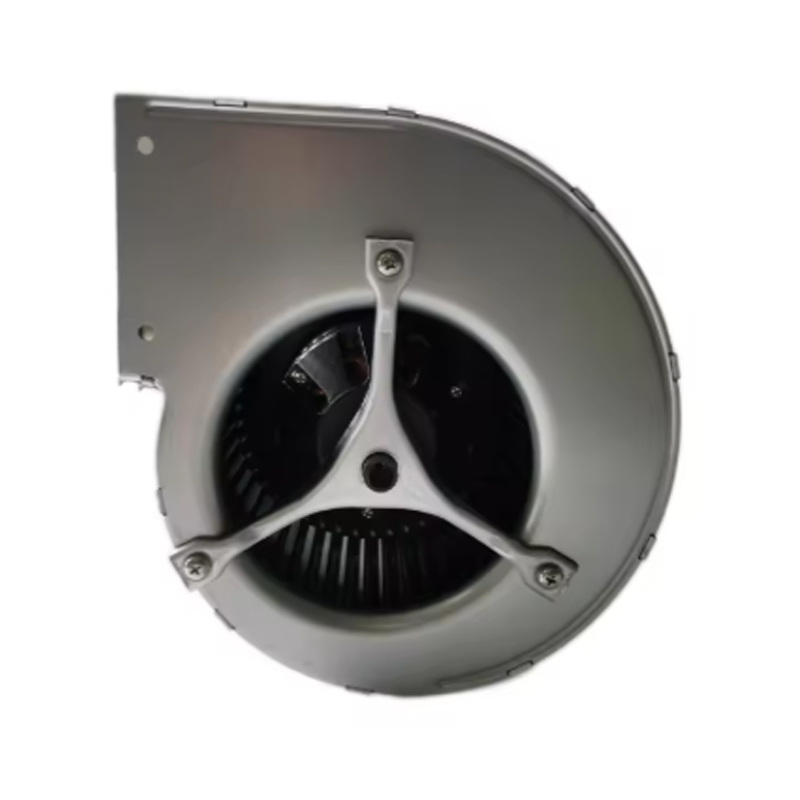 160-250mm External Rotor Dual Drive Mini Size Centrifugal Fans For Air ConditionYuyao Jiale Ventilation Equipment Co., Ltd is China OEM 160-250mm external rotor dual drive mini size centrifugal fans for air conditioni...View Product →
Long-term value selection
For equipment sold with a long warranty or installed in difficult-to-reach locations, ball bearings are usually the safer choice. The added cost is small compared with one truck roll or one product recall.
How to Choose: A Simple Decision Path
Before you compare price quotes, answer four basic questions.
- How many hours per day will the fan run? Continuous operation pushes the decision toward ball bearings.
- How is the fan mounted? If the shaft cannot be horizontal, sleeve bearings are risky.
- What is the maximum ambient temperature? Hot environments accelerate oil loss in sleeve bearings.
- What is the acceptable noise at end of life? If long-term noise is critical, ball bearings provide more consistent acoustics.
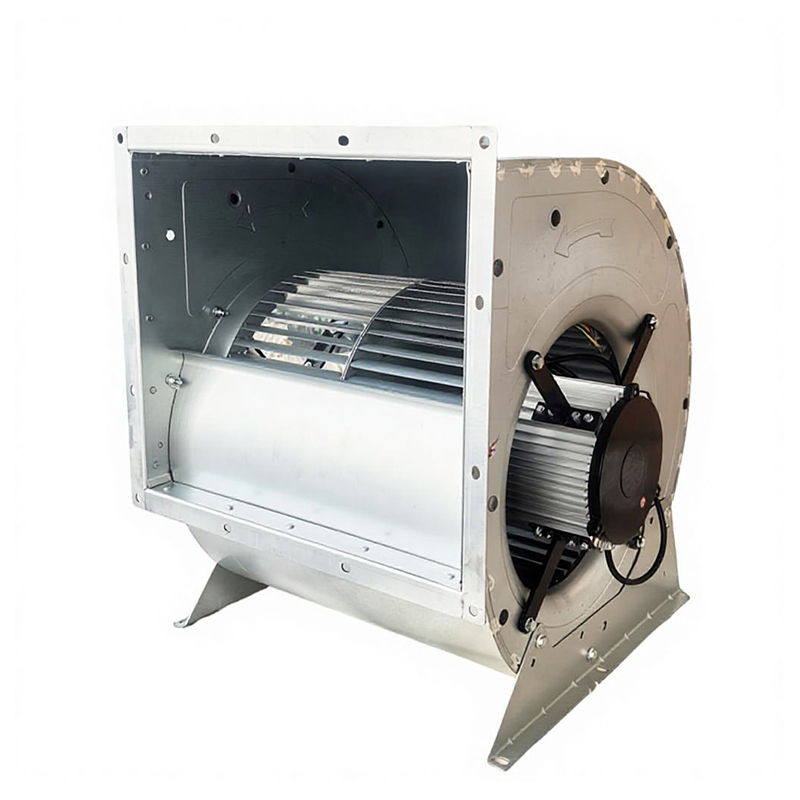
If your design needs variable airflow and quiet operation, a modern EC platform is often the best place to combine efficiency with a reliability-focused bearing specification. The 0-10 V speed-control EC centrifugal fans in our product range are a practical example of this approach. For a broader comparison of motor technologies, see our industry note on EC centrifugal fans.
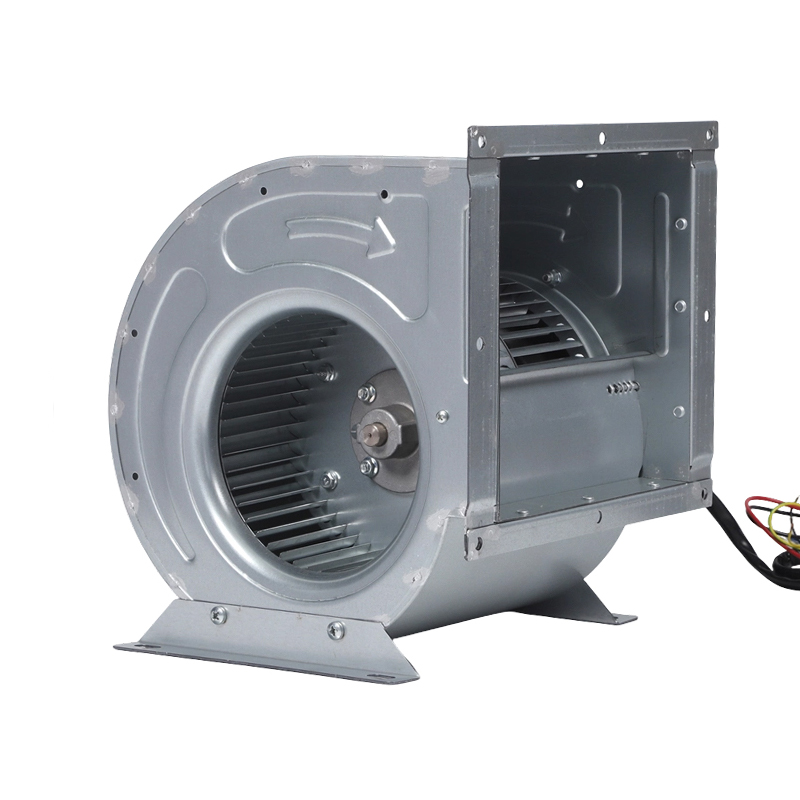 Syz 7-7 0-10v Speed Control Ec Centrifugal Fans Supplier, Custom Factory - YuyaoYuyao Jiale Ventilation Equipment Co., Ltd is China OEM SYZ 7-7 0-10V Speed Control EC centrifugal fans supplier and factory, we speciali...View Product →
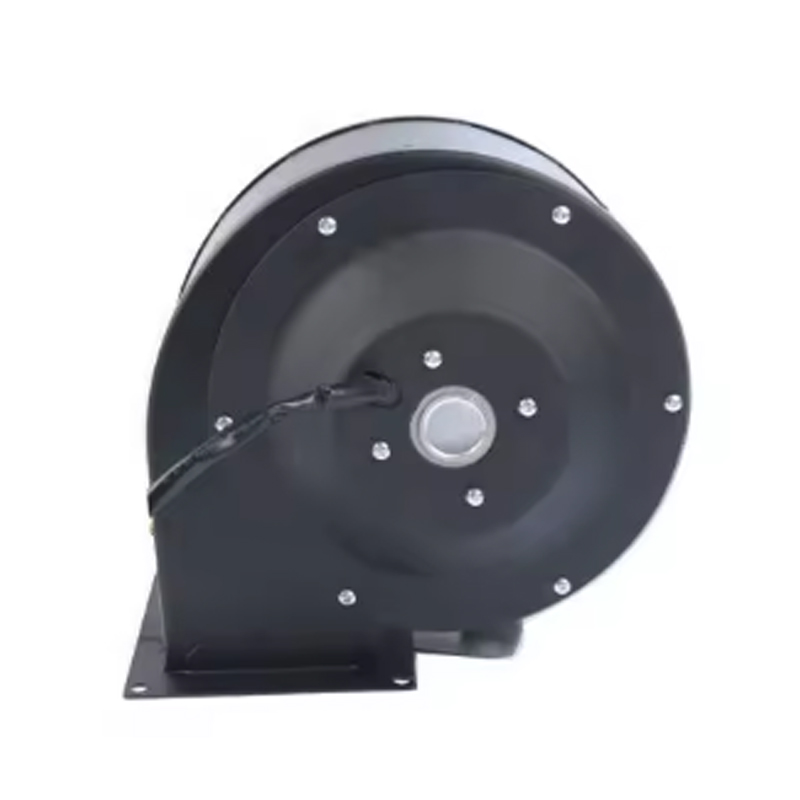
For smaller equipment where cost dominates, single-inlet mini fans with sleeve bearings may be fully adequate for a short product lifecycle.
Frequently Asked Questions
Which is quieter: sleeve bearing or ball bearing?
When new, a sleeve-bearing fan is usually quieter by about 2 - 5 dBA because there are no rolling elements in contact. However, a ball-bearing fan holds its noise level more consistently over time, while a worn sleeve bearing can become noticeably noisier as the oil film degrades.
Do sleeve bearings fail faster than ball bearings?
In continuous-duty fan applications, yes. A typical sleeve bearing may last 10,000 - 30,000 hours, while a quality ball bearing can last 30,000 - 70,000 hours. That estimate depends on speed, load, temperature, and mounting orientation.
Can I swap a sleeve bearing motor for a ball bearing motor in an existing fan?
Not usually by simple substitution. The motor housing, shaft tolerance, bearing pocket, and retention system are designed around the bearing type. Retrofitting can cause vibration, overheating, or premature failure unless the whole rotor assembly is redesigned.
Are ball bearings always worth the extra cost?
No. If the product is intended for low-hour duty, horizontal installation, and a short life, sleeve bearings provide excellent value. If the fan runs continuously, operates in high ambient temperatures, or must be serviced only every few years, ball bearings are usually the better return on investment.
Final Takeaway
Sleeve bearing vs ball bearing is not a battle of "good" versus "bad." It is a trade-off between first cost, acoustic comfort, service life, and installation constraints. A sleeve-bearing fan can be the perfect choice for a quiet, low-cost product with limited runtime. A ball-bearing fan is often the safer choice for long-life, high-reliability equipment.
Review our complete fan range if you need a starting point, and contact our engineering team with your duty cycle. The right bearing selection can be confirmed with a short review of your operating conditions.
 ENG
ENG
