What are the key points for daily maintenance of Single Inlet Centrifugal Fans?
1. Cleaning and Dust Removal: After approximately 2000 hours of operation, thoroughly clean the impeller, inlet, outlet, and casing to prevent dust accumulation from affecting airflow and balance.
2. Bearing Lubrication: Check the bearing oil level and quality. Replace with high-temperature lithium-based grease as needed according to the instruction manual. Keep the bearing temperature below 70℃.
3. Tightening Bolts: Regularly check and tighten all connecting bolts with a torque wrench to prevent loosening due to vibration.
4. Operation Monitoring: Before starting, confirm whether the power supply, temperature, noise, and vibration are abnormal. If abnormal sounds or overheating occur during operation, stop the machine immediately for inspection.
What are the structural and performance differences between single-inlet and dual-inlet centrifugal fans?
Structural and Performance Differences between Single-Inlet and Dual-Inlet Centrifugal Fans
1. Air Inlet Method
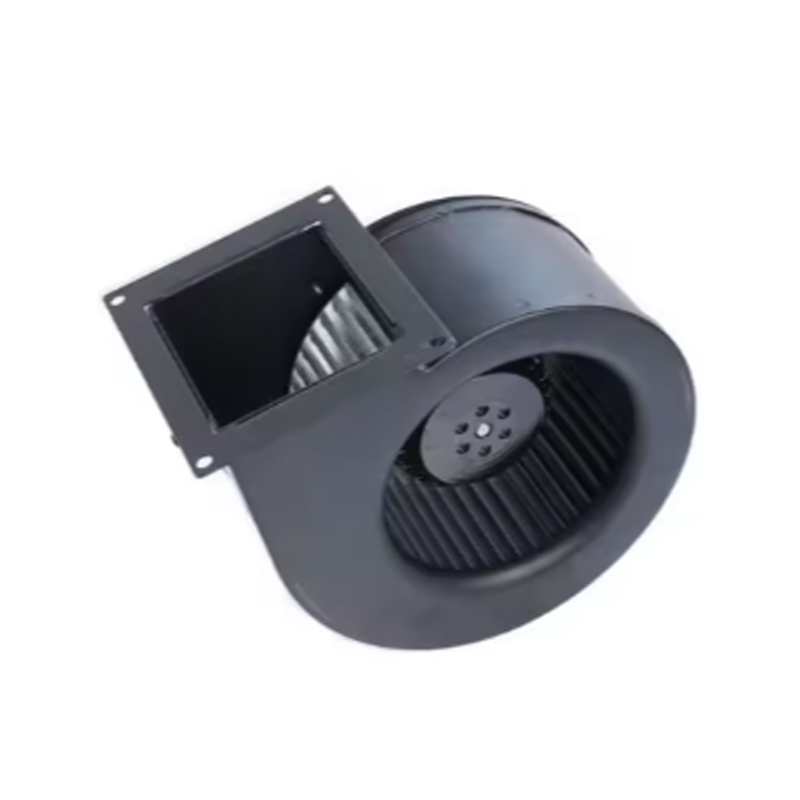
Single Inlet: Air enters only from one side, resulting in a compact structure and low cost.
Dual Inlet: Symmetrical air intake from both sides improves suction efficiency and is suitable for high flow rate requirements.
2. Efficiency and Energy Consumption: Dual-inlet systems reduce energy loss by optimizing the impeller and volute, delivering more airflow per unit power and resulting in lower operating costs.
Single-inlet systems are slightly less energy efficient under the same operating conditions, but still have advantages in space-constrained or cost-sensitive applications.
3. Noise Control: Single-inlet systems are relatively easier to control due to their shorter airflow path.
While dual-inlet systems require more power, noise levels are significantly improved through high-efficiency motors and acoustic design.
4. Applicable Scenarios:
Single-inlet: Small server rooms, commercial kitchens, space-constrained HVAC systems.
Dual-inlet: Large industrial ventilation, low-pressure, high-flow cleanrooms or fresh air systems.
How to Determine the Drive Side of the Fan?
1. Observe the Motor Side: Facing the fan inlet, look directly at the motor (pulley) side. Clockwise rotation of the impeller indicates right-hand rotation, and counter-clockwise rotation indicates left-hand rotation; the motor is located on the drive side.
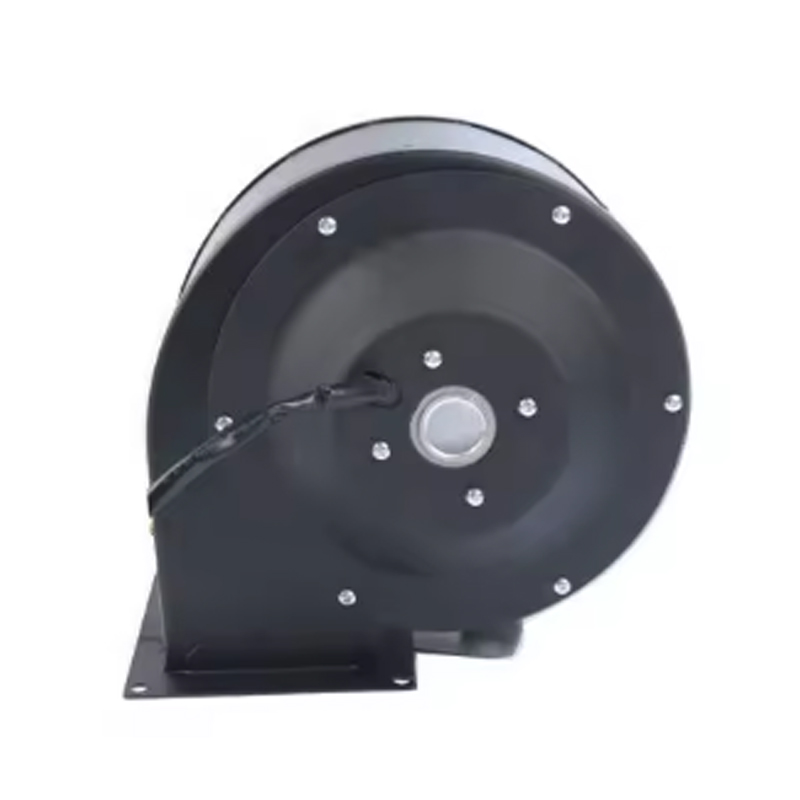
2. Check the axial markings: Most centrifugal fans have "DRIVE" or "MOTOR" markings on the shaft end, directly indicating the drive side position.
3. Based on the outlet position: If the outlet blows horizontally from the lower left, the drive side is usually in the upper right; conversely, the opposite is true. Combining this with the rotation direction provides a more accurate assessment.
4. On-site measurement: While the equipment is running, gently touch the pulley or motor shaft end to observe the rotation direction. Once confirmed to match the design drawings, this is the correct drive side.
Frequently Asked Questions (FAQ)
Q1: What are the advantages of Single Inlet Centrifugal Fans compared to other fan types?
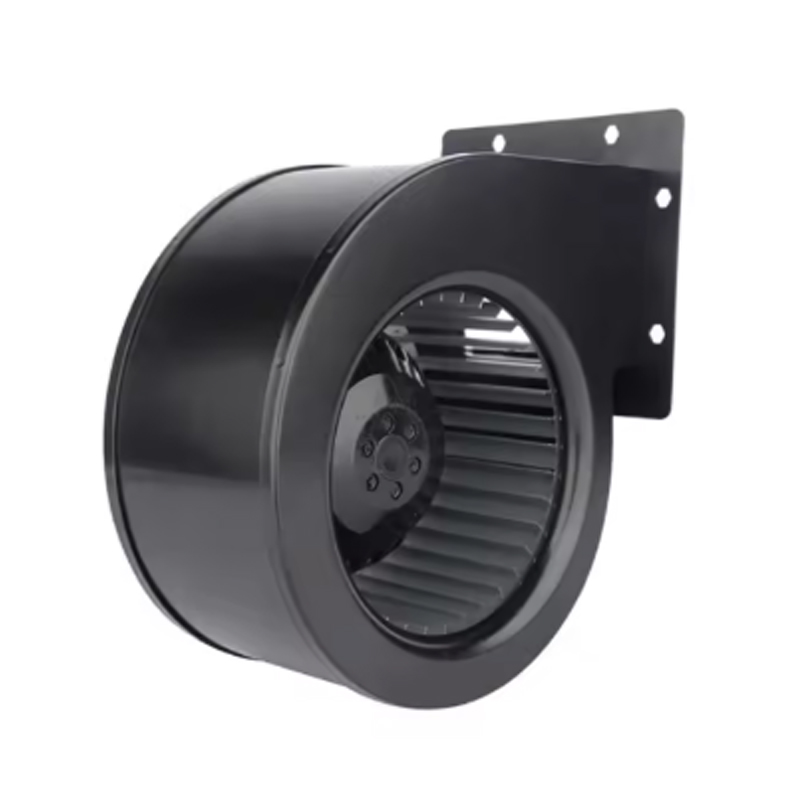
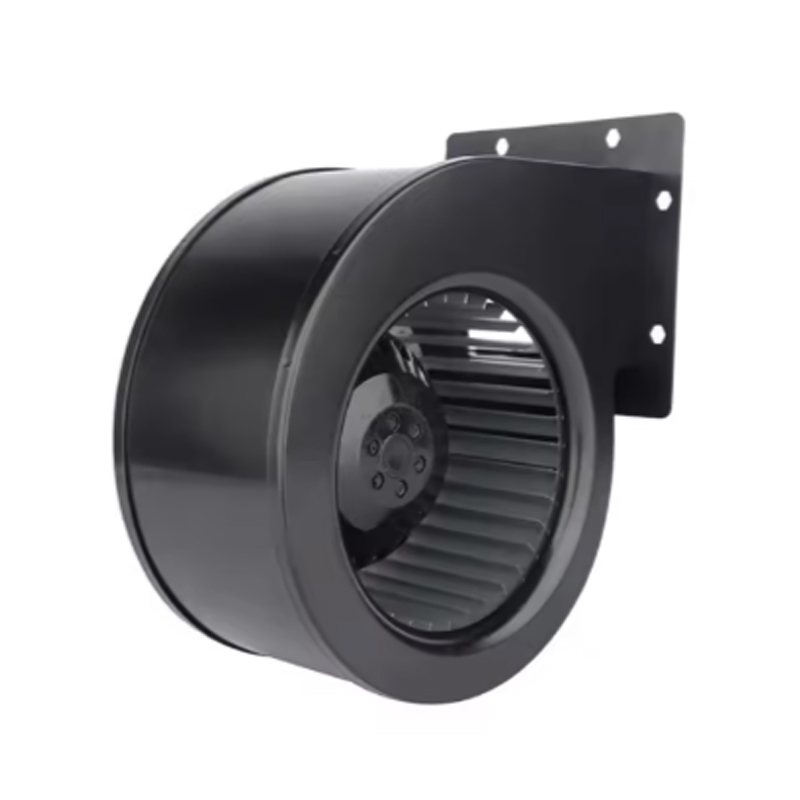
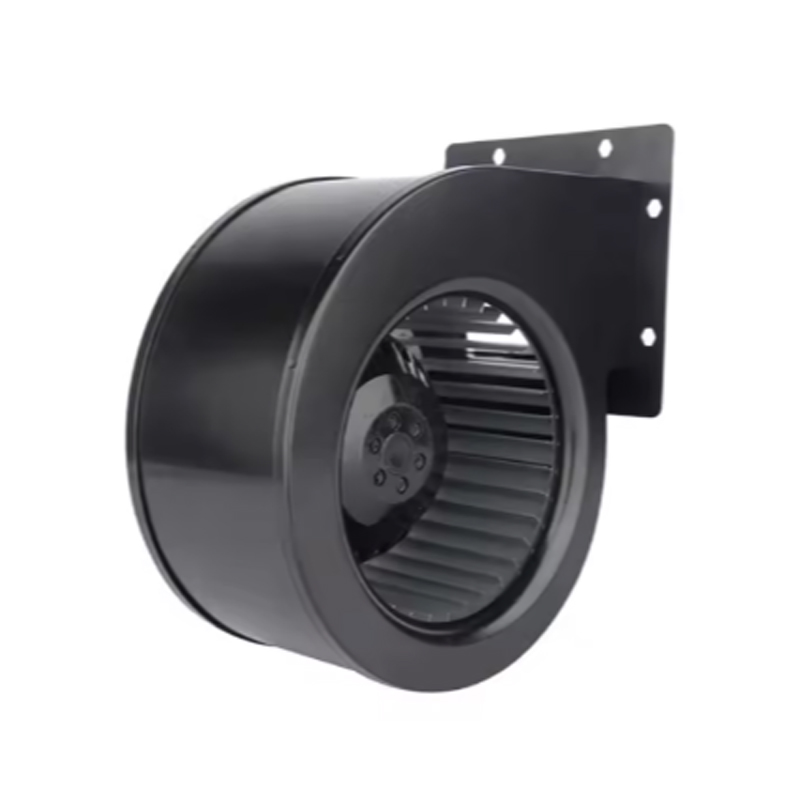
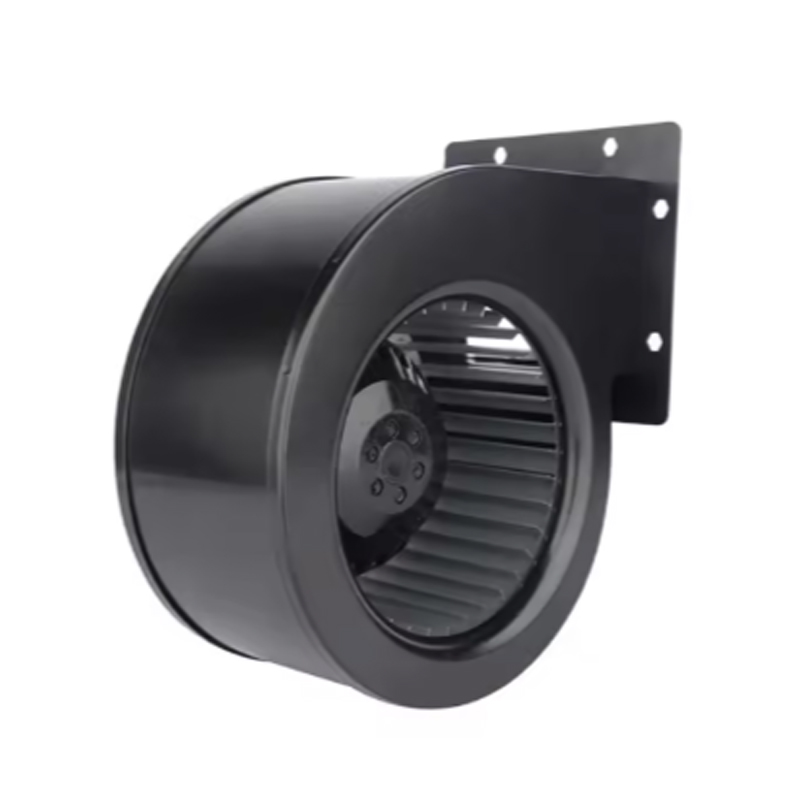
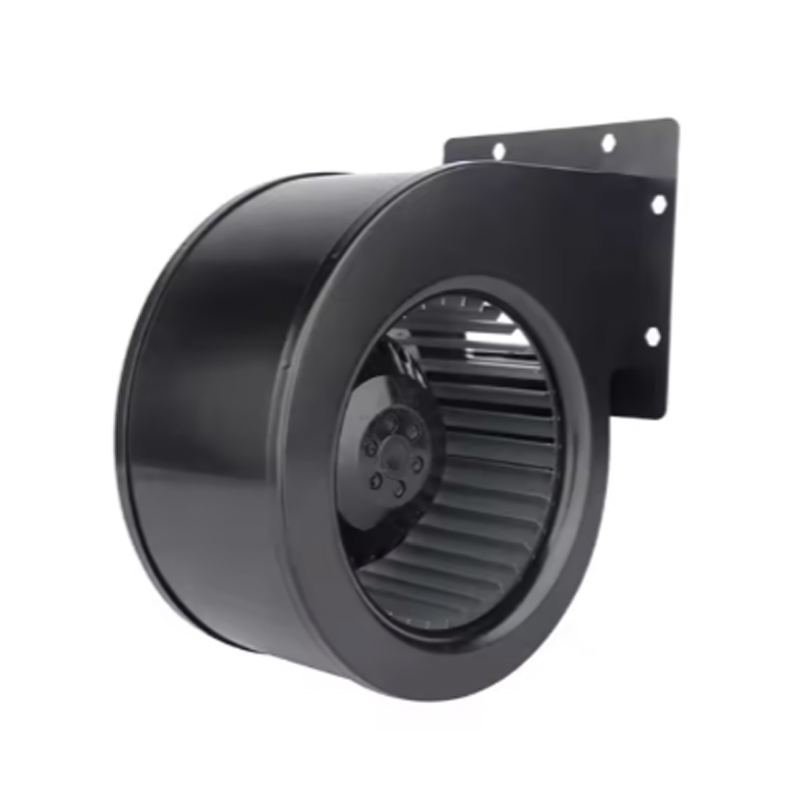
A: They feature high efficiency, low noise, compact structure, and easy speed adjustment, making them particularly suitable for applications with high energy consumption and noise requirements, such as variable air volume (VAV) air conditioning, ducted air conditioning, HVACR systems, and fresh air systems.
Q2: What are some typical application scenarios for Single Inlet Centrifugal Fans?
A: They are commonly used in various industrial and commercial environments, including building ventilation, furnace exhaust, drying systems, dehumidification, glass tempering, paint booth exhaust, air curtains, cooling, dust removal, air circulation, and pneumatic conveying.
Q3: How do Ningbo Haoyue Fan Manufacturing Co., Ltd. achieve high efficiency and low noise in its centrifugal fans?
A: The company uses a forward-curved impeller design and a single-phase direct-drive AC or EC motor drive structure. Through a rigorous quality management system and SGS on-site audits, the company ensures that its products achieve industry-leading levels in aerodynamic performance and noise control.
Q4: What motor drive types does Ningbo Haoyue offer?
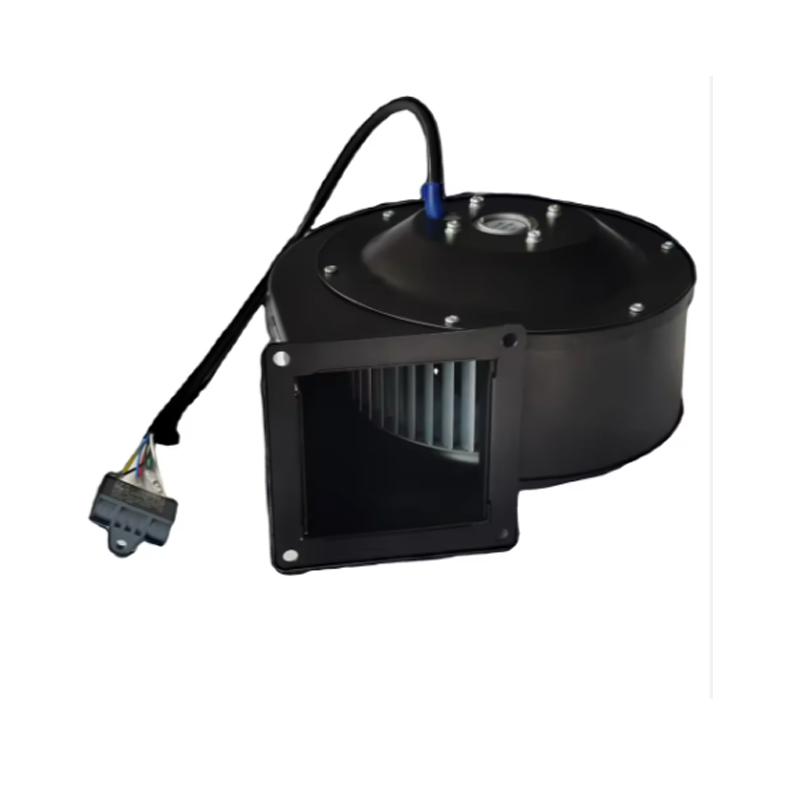
A: We mainly offer two drive types: single-phase direct-coupled AC motors and brushless DC (EC) motors. Different power and speed motors can be selected according to customer needs.

 English
 Español

 ENG
ENG
