
 English
 Español
Content
- 1 Core Structural Components of EC Centrifugal Fans
- 2 Why EC Centrifugal Fans Are More Energy-Efficient Than Traditional AC Fans
- 3 Low-Noise Performance of EC Centrifugal Fans
- 4 Typical Application Scenarios for EC Centrifugal Fans
- 5 Key Parameters for Selecting EC Centrifugal Fans
- 6 Maintenance and Fault Diagnosis of EC Centrifugal Fans
EC centrifugal fans use electronically commutated brushless DC motors with efficiency reaching 80%-90%, saving over 30% energy compared to traditional AC fans while operating at noise levels as low as 55dB(A). They are the ideal choice for HVAC systems, cleanrooms, and data center cooling.
Core Structural Components of EC Centrifugal Fans
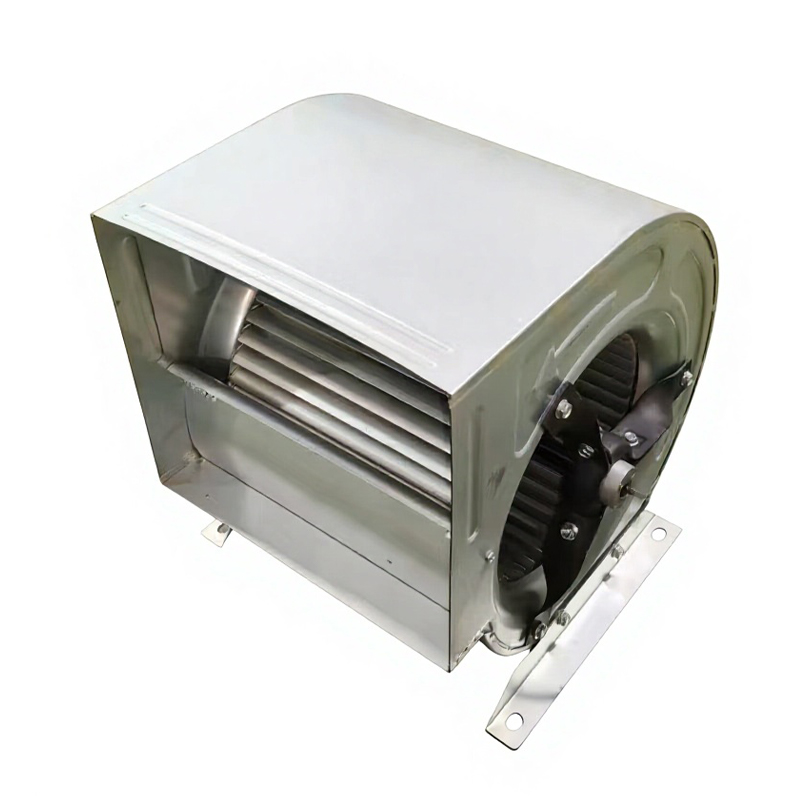
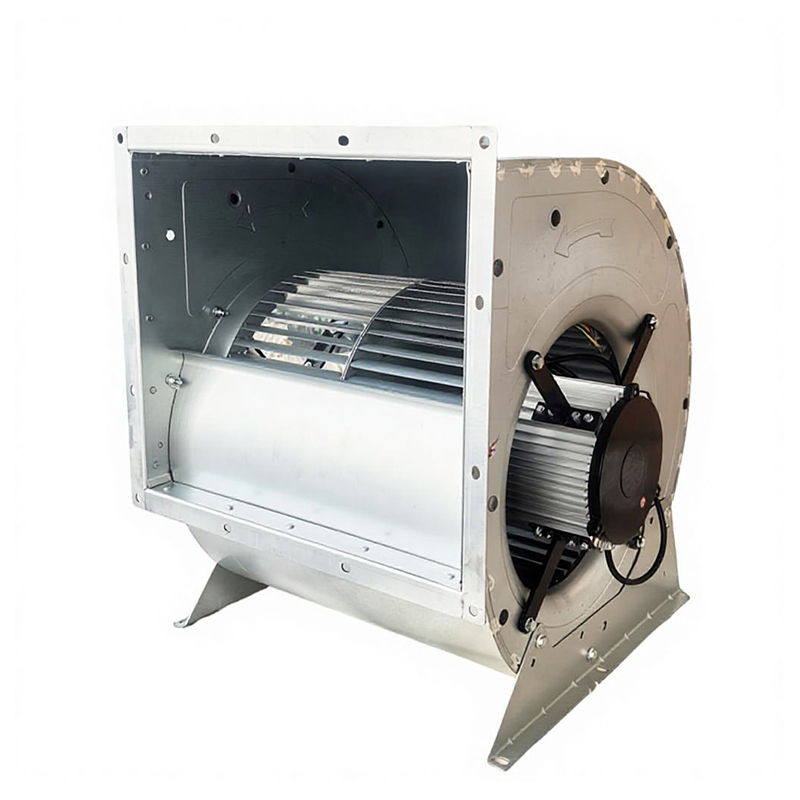
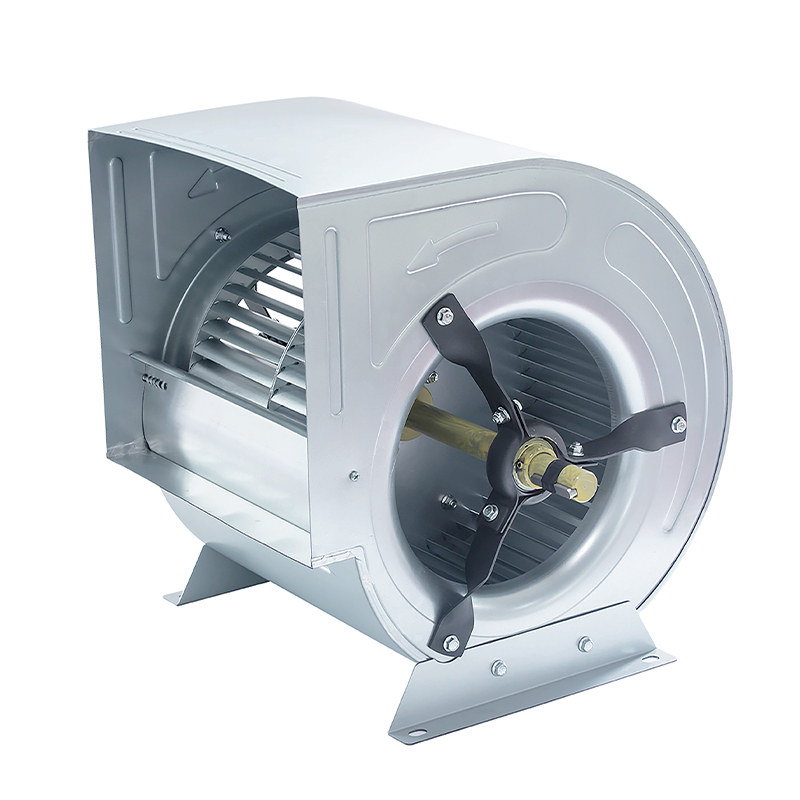
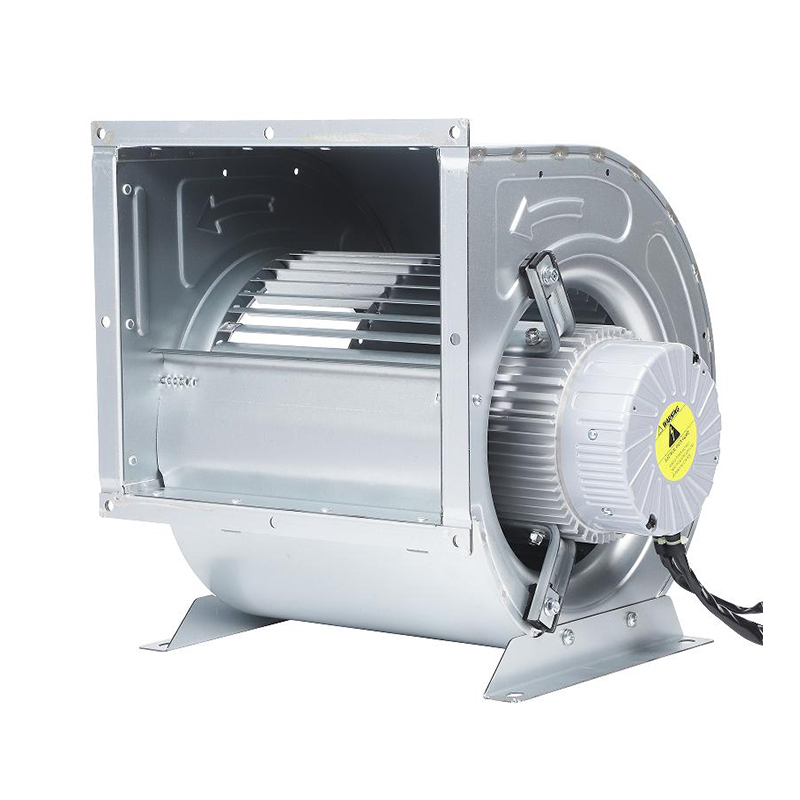
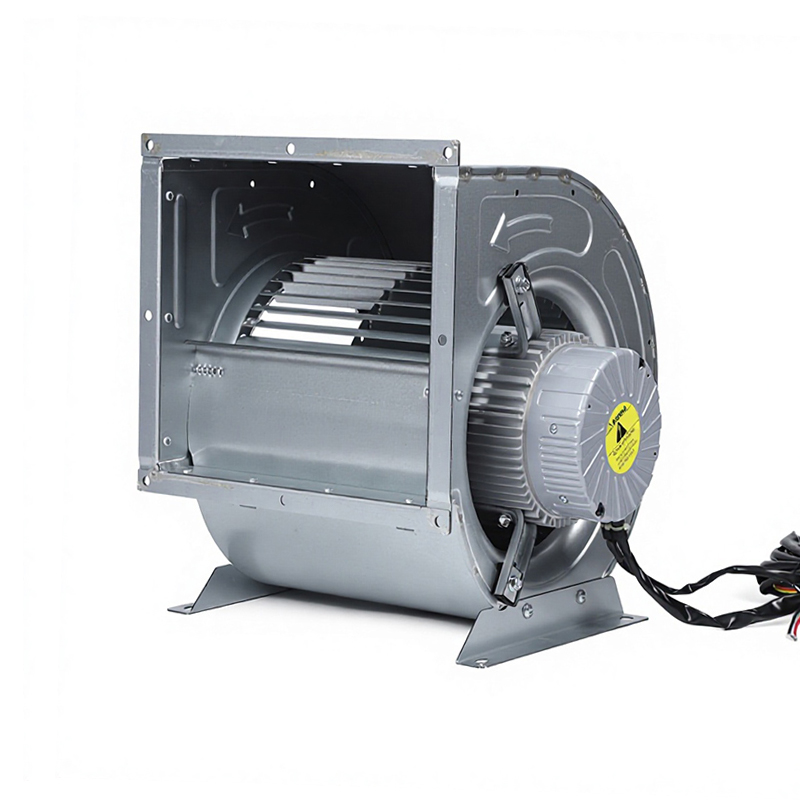
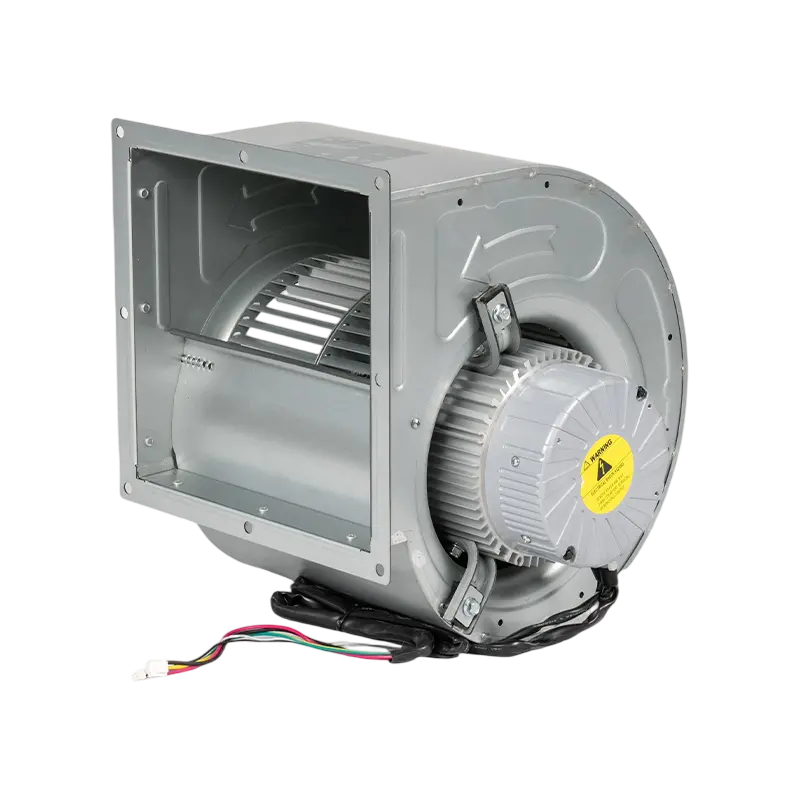
EC centrifugal fans are not simply a motor-and-impeller assembly. They consist of multiple high-efficiency modular components that work together as a compact, maintainable unit.
| Component | Function Description |
| External-Rotor EC Motor | Electronically commutated drive with no mechanical commutation; motor efficiency 80%-90% |
| Backward-Curved Centrifugal Impeller | Multi-blade design generating high static-pressure airflow for demanding ventilation tasks |
| Inlet Guide Vanes | Evenly guide airflow into the impeller, reducing inlet losses and improving aerodynamic efficiency |
| Volute / Scroll Housing | Converts high-velocity kinetic energy from the impeller into static pressure for stable airflow |
| Casing / Housing | Provides structural protection along with dust and noise shielding |
| Support Structure / Base | Load-bearing and vibration-damping design ensuring safe operation under high pressure |
Why EC Centrifugal Fans Are More Energy-Efficient Than Traditional AC Fans
The energy-efficiency gains of EC centrifugal fans come from the synergistic optimization of motor, drive, and aerodynamic design:
High-Efficiency Brushless DC Motor
EC motors use electronic commutation, eliminating rotor and excitation losses found in traditional AC induction motors. Motor efficiency typically reaches 80%-90%, compared to a maximum of about 75% for conventional three-phase induction motors. For a 1.5kW-rated fan running 8,000 hours annually, the EC solution saves approximately 900kWh per year.
Digital Drive and Precise Speed Control
EC fans feature digital brushless drives supporting 0-10V, PWM, and RS485 control. Under partial-load conditions, precise speed regulation delivers up to 30% additional efficiency improvement, a level difficult to achieve with traditional AC fans through voltage or frequency adjustment alone.
Reduced Power Conversion Losses
High-frequency power devices such as SiC MOSFETs significantly lower switching losses. The EC system power factor approaches 1, minimizing harmonic pollution on the grid side compared to conventional AC solutions.
Modular Design Reduces Accessory Losses
Plug-and-play brackets and compact structures reduce duct resistance and installation errors, improving aerodynamic efficiency. The modular approach also enables rapid on-site installation and maintenance, lowering total cost of ownership.
Low-Noise Performance of EC Centrifugal Fans
Low noise is a core requirement of modern HVAC systems. EC centrifugal fans offer multiple advantages in noise control:
- Brushless motor design: Eliminates brush noise from mechanical commutation, delivering smooth operation with a low noise floor
- Internal sound insulation: Sound-absorbing pads inside the volute and acoustic cotton in outlet ducts achieve multi-stage noise reduction
- Optimized blades and flow channels: Multi-blade impellers paired with optimized scroll housings significantly reduce airflow impact noise, with operating noise kept below 70dB
- System vibration damping: Vibration-isolating brackets and soundproof enclosures further suppress structural vibration noise
With these technologies, EC centrifugal fans easily meet stringent low-noise standards and are widely used in noise-sensitive environments such as hospital operating rooms, laboratories, and hotel guest rooms.
Typical Application Scenarios for EC Centrifugal Fans
Thanks to their high efficiency, low noise, and precise controllability, EC centrifugal fans have become the preferred ventilation solution across multiple industries:
| Application Field | Specific Scenario | Core Requirement |
| HVAC Systems | VAV air handling units, ducted AC units | Automatic airflow adjustment based on load for energy-saving operation |
| Fresh Air Systems | Building ventilation, heat-recovery ventilation | Continuous stable airflow with low-noise operation |
| Air Purification Equipment | Industrial dust collectors, commercial air purifiers | High static pressure to overcome filtration resistance |
| Cleanroom Environments | FFU fan filter units, bio-laboratories | Precise airflow control with low vibration and low noise |
| Data Center Cooling | Server rack cooling, precision air conditioning | High reliability with efficient partial-load operation |
| Industrial Ventilation | Factory exhaust, drying equipment, boiler air supply | High temperature and pressure tolerance with continuous stable operation |
Key Parameters for Selecting EC Centrifugal Fans
When purchasing EC centrifugal fans, focus on the following technical parameters to ensure they match your application requirements:
- Impeller diameter: Determines the basic size and airflow capacity range of the fan
- Rated speed: Affects airflow volume, static pressure, and noise level
- Airflow range: Typically measured in m3/h or CFM; must meet system design needs
- Static pressure: Measured in Pa or mmH2O; determines the ability to overcome duct resistance
- Motor efficiency: Prefer EC motors with efficiency above 80%
- Noise level: Pay attention to dB(A) values; for sensitive environments, choose products below 55dB(A)
- Control method: Supports 0-10V analog, PWM digital, or RS485 communication
- Protection rating: Common IP54; higher ratings needed for humid or dusty environments
Maintenance and Fault Diagnosis of EC Centrifugal Fans
EC centrifugal fans use brushless EC motors, maintenance-free bearings, and anti-stall protection, requiring significantly less maintenance than traditional AC fans:
- Regularly inspect impeller cleanliness and remove dust buildup to maintain aerodynamic performance
- Check bearing lubrication status (if applicable) to ensure smooth operation
- Monitor motor overload, overcurrent, and stall alarm signals
- Read operating parameters through built-in signal feedback or RS485 interface for fault diagnosis
- Leverage modular bracket design for quick disassembly and component replacement
 ENG
ENG
