
 English
 Español
Content
- 1 Why CFM And Static Pressure Must Be Calculated Together
- 2 Step 1: Calculate The Required CFM
- 3 Step 2: Calculate The Required Static Pressure In Pa
- 4 Worked Example: Sizing A Cabinet Fan For A 500 Cubic Meter Room
- 5 Reading The Fan Curve To Confirm The Operating Point
- 6 Explore Jiale Cabinet Centrifugal Fan Series
- 7 Common Mistakes That Lead To An Undersized Fan
- 8 Quick Reference: CFM And Static Pressure By Common Application
- 9 Frequently Asked Questions
Direct Answer: To size a cabinet centrifugal fan, first calculate required CFM using CFM = (Room Volume in cubic feet x Air Changes per Hour) / 60, or CFM = Heat Load (BTU/hr) / (1.08 x Temperature Rise in degF) for equipment cooling. Then calculate required static pressure by adding up every resistance in the airflow path - ductwork friction, elbows, filters, louvers and hoods - measured in Pascals (Pa), and add a 10 to 15 percent safety margin. The final numbers are then plotted on the fan performance curve to confirm the cabinet fan can actually deliver that airflow at that pressure, not just one of the two values alone.
Why CFM And Static Pressure Must Be Calculated Together
A cabinet centrifugal fan, also called a box-type fan, houses the impeller, motor and volute inside a sealed enclosure that lowers noise and shields internal parts from dust. Choosing the wrong unit almost never comes from picking a "weak" fan - it comes from calculating CFM and static pressure separately instead of together. A fan rated for 3000 CFM only delivers that number at zero resistance. Once it is connected to ductwork, filters and grilles, the real airflow drops as resistance rises. This is why every cabinet fan datasheet shows a performance curve rather than a single number, and why both values need to be worked out before a model is chosen.
| Term | Unit | What It Represents |
| CFM (Airflow) | Cubic feet per minute / m3 per hour | The volume of air the fan must move to ventilate, cool or exhaust a space |
| Static Pressure | Pascals (Pa) / inches water gauge | The total resistance the fan must overcome to push that air through the system |
Step 1: Calculate The Required CFM
There are two common ways to arrive at required airflow for a cabinet centrifugal fan, and the correct method depends on whether the goal is general ventilation or equipment heat removal.
Method A - Air Changes Per Hour (ACH): This is standard for rooms, workshops, kitchens and enclosures.
CFM = (Length x Width x Height in feet x Required ACH) / 60
Method B - Heat Load Removal: This applies when the fan is cooling electrical cabinets, server enclosures or process equipment.
CFM = Heat Load (BTU/hr) / (1.08 x Allowable Temperature Rise in degF)
The table below lists typical air change rates used across common applications. These are starting reference values - local codes and equipment manufacturer data should always take priority when available.
| Application | Typical ACH | Notes |
| General office or retail space | 6 to 10 | Occupied comfort ventilation |
| Commercial kitchen exhaust | 20 to 30 | Grease and heat loads raise the requirement |
| Warehouse or workshop | 4 to 8 | Depends on machinery heat and occupant density |
| Electrical or control cabinet | Use heat load method | ACH is not reliable for enclosed equipment cooling |
| Cleanroom or laboratory | 15 to 60 | Set by cleanliness classification, not comfort needs |
Step 2: Calculate The Required Static Pressure In Pa
Static pressure is the sum of every point of resistance the air meets between the fan inlet and the point of discharge. Each component adds a measurable loss, and these losses are added together rather than averaged. Skipping even one component - a single filter or a single 90 degree elbow - is one of the most common reasons a cabinet fan underperforms after installation.
| Resistance Source | Typical Loss (Pa) |
| Straight ductwork, per 10 meters | 10 to 25 Pa |
| Each 90 degree elbow | 8 to 20 Pa |
| Standard air filter (clean) | 30 to 80 Pa |
| HEPA or fine filter | 100 to 250 Pa |
| Louver or weather hood | 15 to 40 Pa |
| Damper (partially open) | 10 to 30 Pa |
Once every component along the path is added up, apply a 10 to 15 percent safety margin to cover dust buildup on filters over time and minor field variations from the original layout. This adjusted total is the static pressure the cabinet centrifugal fan must be rated to overcome.
Worked Example: Sizing A Cabinet Fan For A 500 Cubic Meter Room
The example below shows both calculations carried through from raw inputs to a final fan selection target, using a workshop space that needs 6 air changes per hour and has one filter, two elbows and 15 meters of ductwork installed.
| Step | Calculation | Result |
| Room volume | Given | 500 m3 |
| Required airflow | 500 m3 x 6 ACH | 3000 m3/h (about 1765 CFM) |
| Duct friction loss | 15 m at 1.8 Pa/m | 27 Pa |
| Two elbows | 2 x 15 Pa | 30 Pa |
| Filter | Standard rating | 50 Pa |
| Louver | Fixed loss | 25 Pa |
| Subtotal | 27 + 30 + 50 + 25 | 132 Pa |
| Final target with 15 percent margin | 132 Pa x 1.15 | About 152 Pa |
The selection target for this project becomes a cabinet centrifugal fan capable of delivering roughly 3000 m3/h at 150 Pa static pressure, not just one figure by itself.
Reading The Fan Curve To Confirm The Operating Point
Every cabinet centrifugal fan datasheet includes a performance curve plotting airflow on the horizontal axis against static pressure on the vertical axis. The curve slopes downward because airflow and pressure trade against each other inside the same fan. To confirm a model fits a project, find the calculated CFM value on the horizontal axis and the calculated Pa value on the vertical axis - the point where these two values meet should sit on or slightly below the curve, never above it. A calculated operating point that falls above the curve means the fan is undersized for the system and airflow will fall short once installed. A point sitting well below the curve usually signals an oversized fan, which wastes energy and raises operating noise beyond what the space needs.
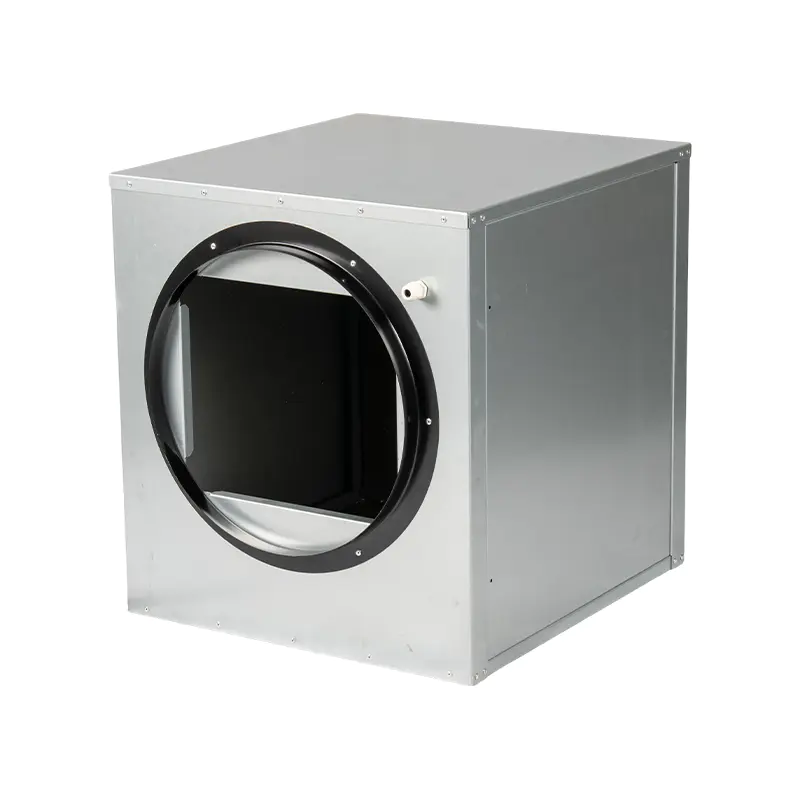
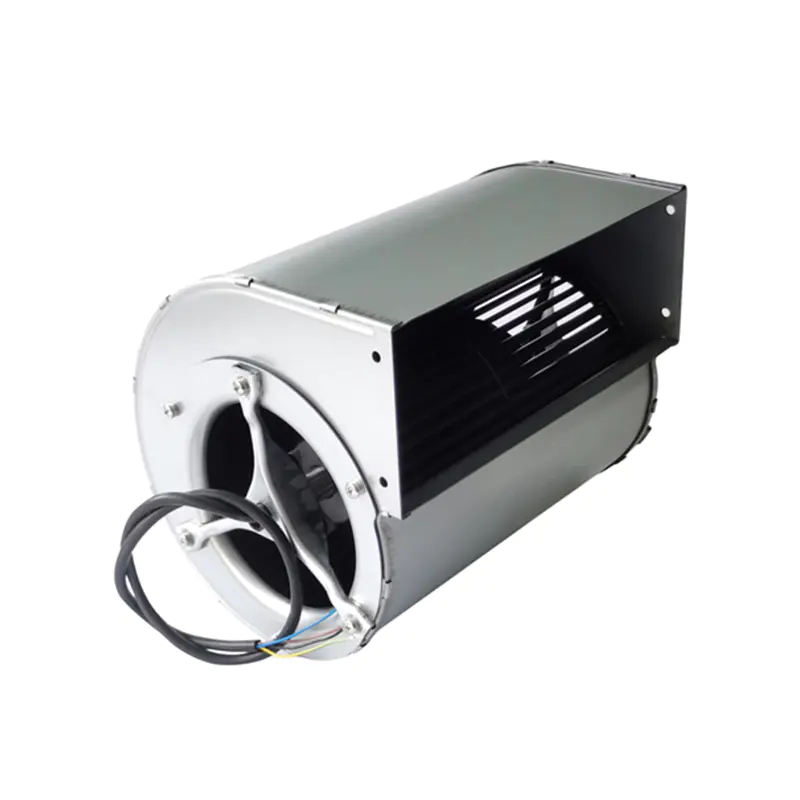
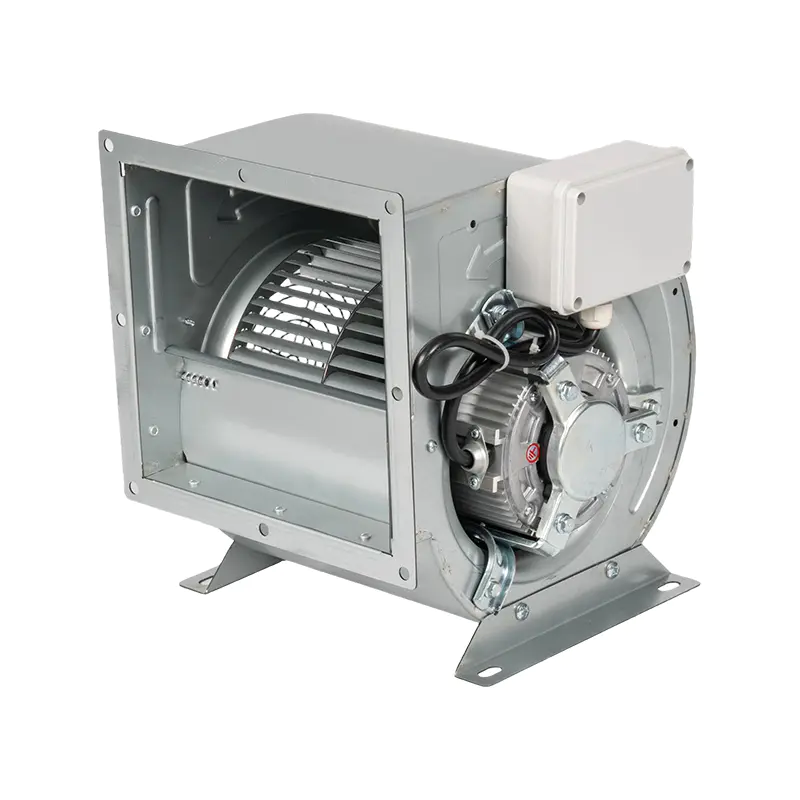
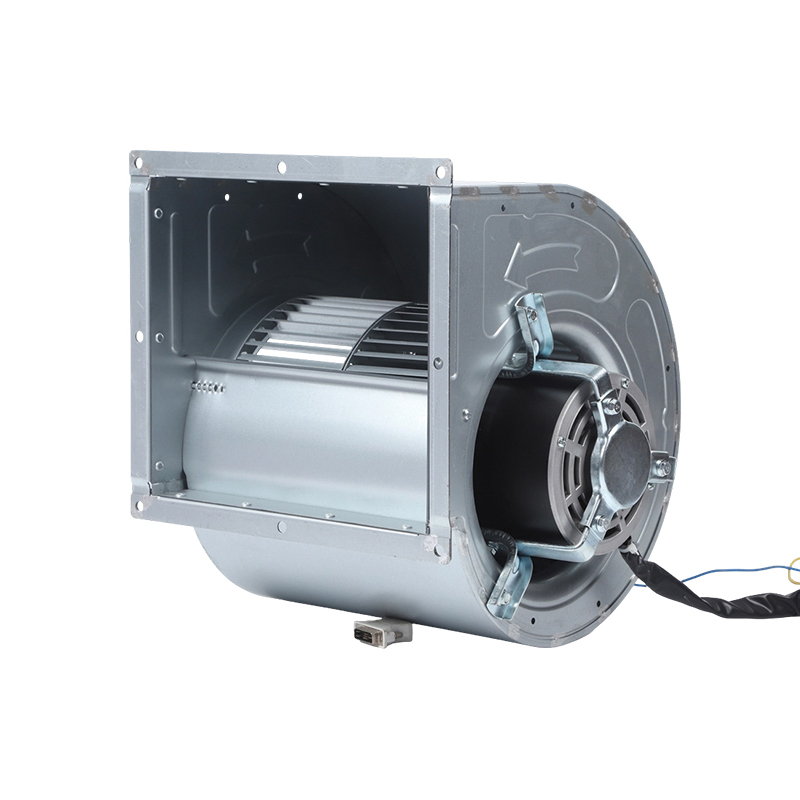
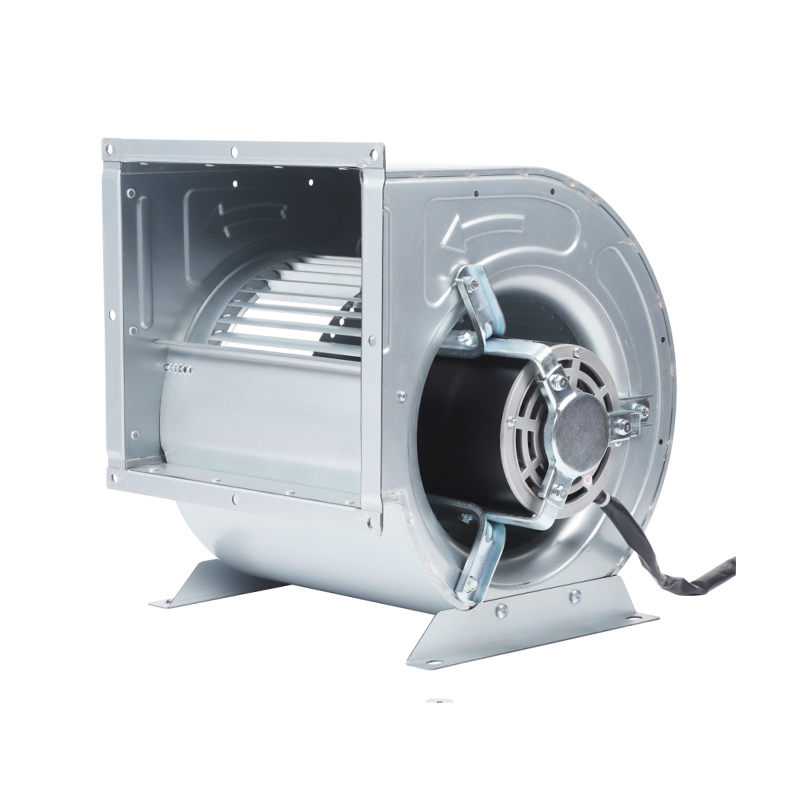
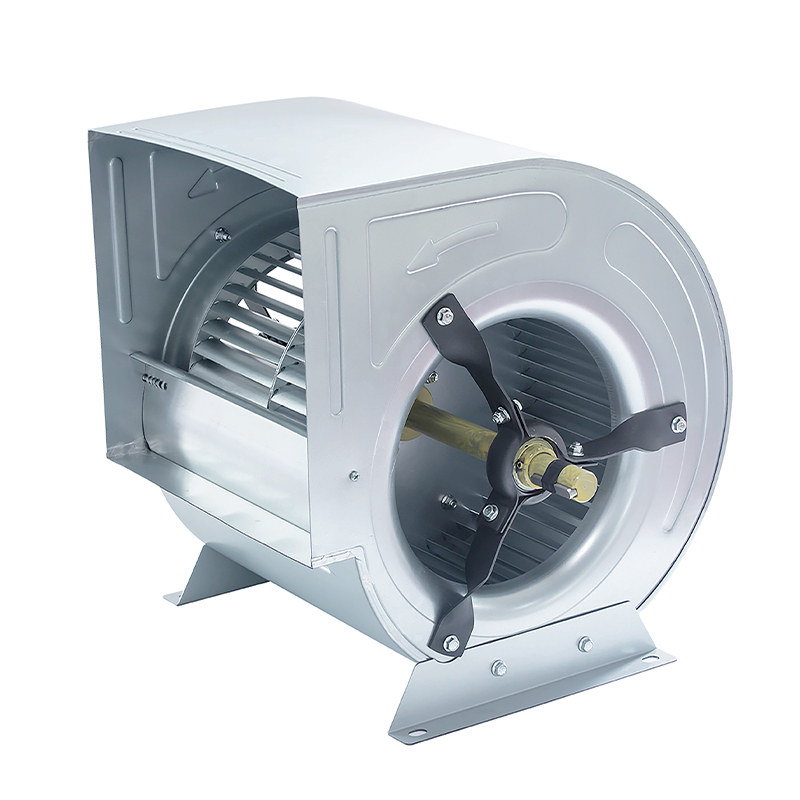
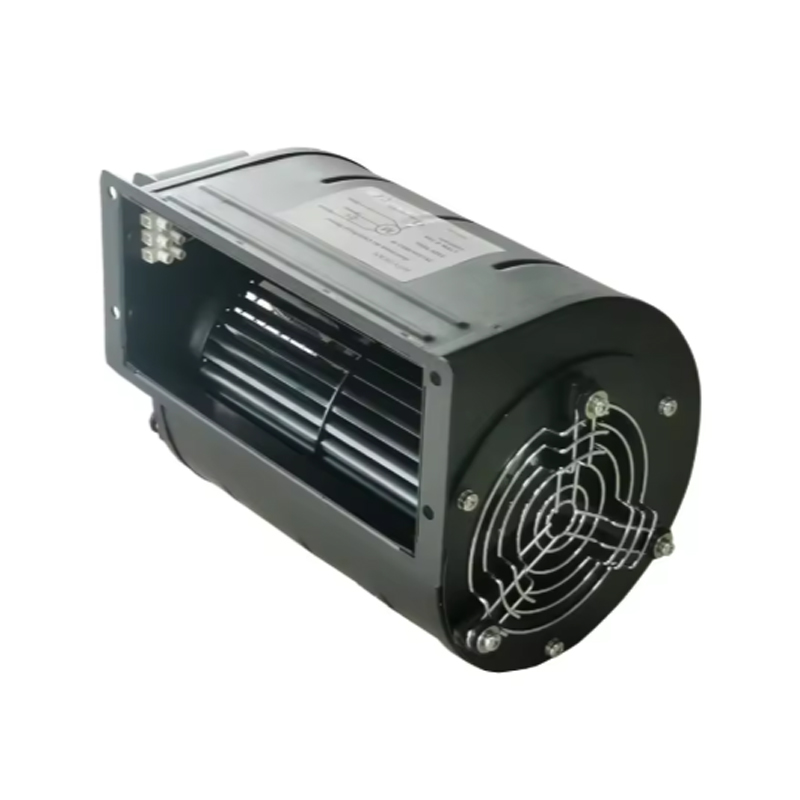
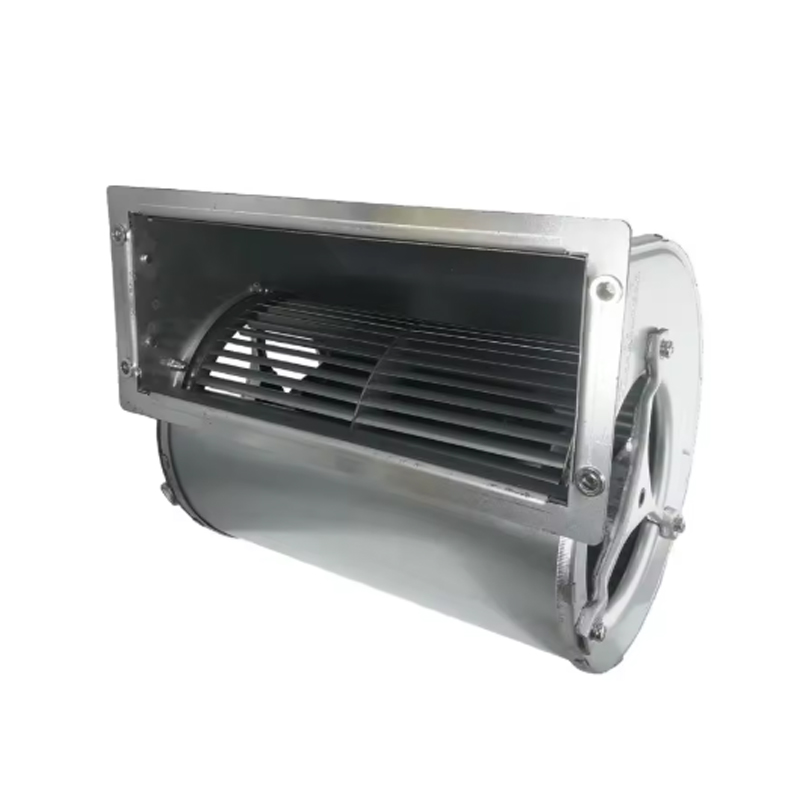
Explore Jiale Cabinet Centrifugal Fan Series
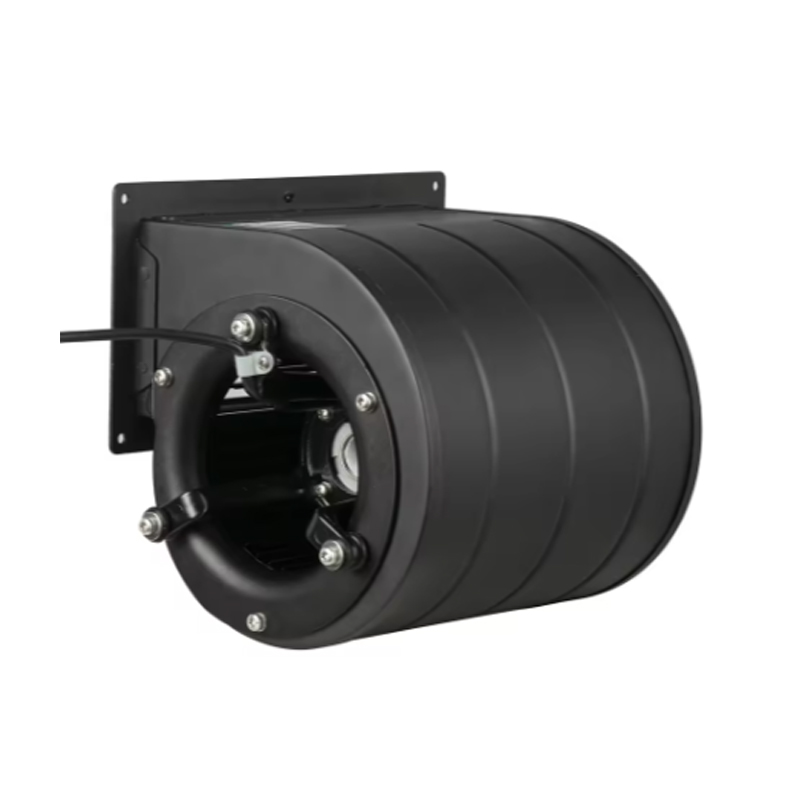
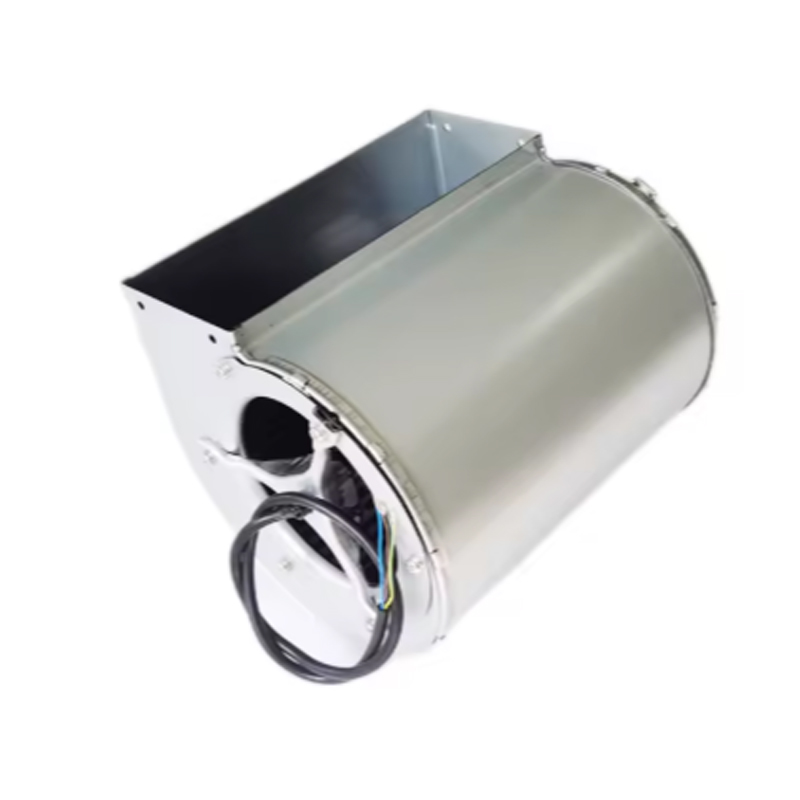
The following models illustrate the range of centrifugal fan platforms used to build airflow and pressure to the targets calculated above, from enclosed cabinet units to compact AC-driven blowers suited for ducted systems.
Common Mistakes That Lead To An Undersized Fan
Most complaints about weak airflow after a cabinet fan is installed trace back to one of the errors below rather than a defective unit.
- Using the fan's free-air CFM rating as the design airflow, ignoring that this number only applies at zero static pressure.
- Forgetting to include filter resistance, especially after a filter has collected dust and its loss has climbed above the clean rating.
- Adding duct lengths but skipping fittings, transitions and grilles, which together often account for more resistance than the straight duct run itself.
- Selecting a fan model based on motor wattage rather than the airflow and pressure figures on the performance curve.
- Leaving out the safety margin, which then gets consumed the moment a filter needs cleaning or a damper is adjusted after commissioning.
Quick Reference: CFM And Static Pressure By Common Application
| Application | Typical Airflow | Typical Static Pressure |
| Electrical cabinet cooling | 50 to 400 CFM | 50 to 150 Pa |
| Small workshop ventilation | 800 to 2500 CFM | 100 to 250 Pa |
| Commercial kitchen exhaust | 2000 to 6000 CFM | 250 to 500 Pa |
| Ducted air conditioning terminal unit | 500 to 3000 CFM | 150 to 400 Pa |
| Cleanroom or filtered supply air | 1000 to 8000 CFM | 300 to 700 Pa |
Frequently Asked Questions
What is a safe margin to add on top of calculated static pressure?
A margin of 10 to 15 percent above the calculated total is standard practice, covering filter loading over time and small deviations between the designed layout and the finished installation.
Can a cabinet centrifugal fan rated for higher CFM than needed still work?
It can operate, but running far above the required point wastes energy and raises noise. Matching the calculated CFM and Pa closely to the fan curve gives the best balance of efficiency and sound level.
How do I convert between CFM and m3/h?
Multiply CFM by 1.699 to get m3/h, or divide m3/h by 1.699 to get CFM. For static pressure, multiply inches of water gauge by 249 to get Pascals.

 ENG
ENG
